Android's scam defenses are gaining an opt-in layer that sends suspicious conversations to Gemini models in the cloud and vets unfamiliar links on the phone itself. Alongside it come new guards against screen-sharing and call-forwarding tricks, plus new results from a call-verification feature Google launched in June.
Google calls the new setting Enhanced protection mode in Google Messages and says it begins reaching Android users in the coming weeks. Once a user turns it on, Scam Detection can pass a chat with an unknown sender to Google's most capable Gemini models, which Google says can judge intent in conversations that build slowly, adding to the existing on-device detection. Google says that analysis runs in Private AI Compute, an encrypted space it describes as closed to everyone, itself included. That privacy claim is the price tag on the better detection, and users are the ones asked to accept it.
The on-device half is narrower. With Enhanced protection enabled, Gemini Nano weighs live web signals to decide whether a link is trustworthy before it is tapped, which targets scam sites too new for any blocklist. Google lists the Pixel 10 and newer, the Galaxy S26 series, the Galaxy Z Flip and Z Fold8 and other select devices as supported. The same setting adds a pause-and-read warning for links from numbers outside a user's contacts, which now works on Android 6 and later according to Google's footnote.
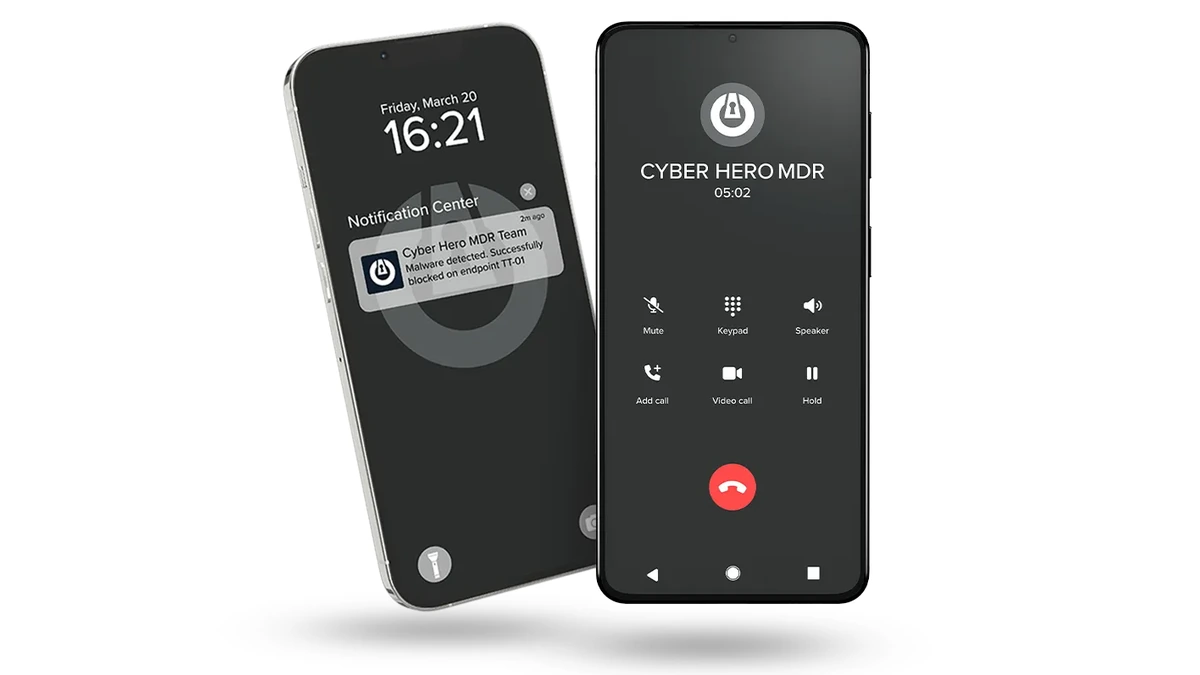
Scam alerts for chats in the notification shade started on Pixel and are headed to 12 partner manufacturers before the end of 2026, among them Motorola, OnePlus, OPPO, vivo and Xiaomi. Google puts that at hundreds of millions more people.
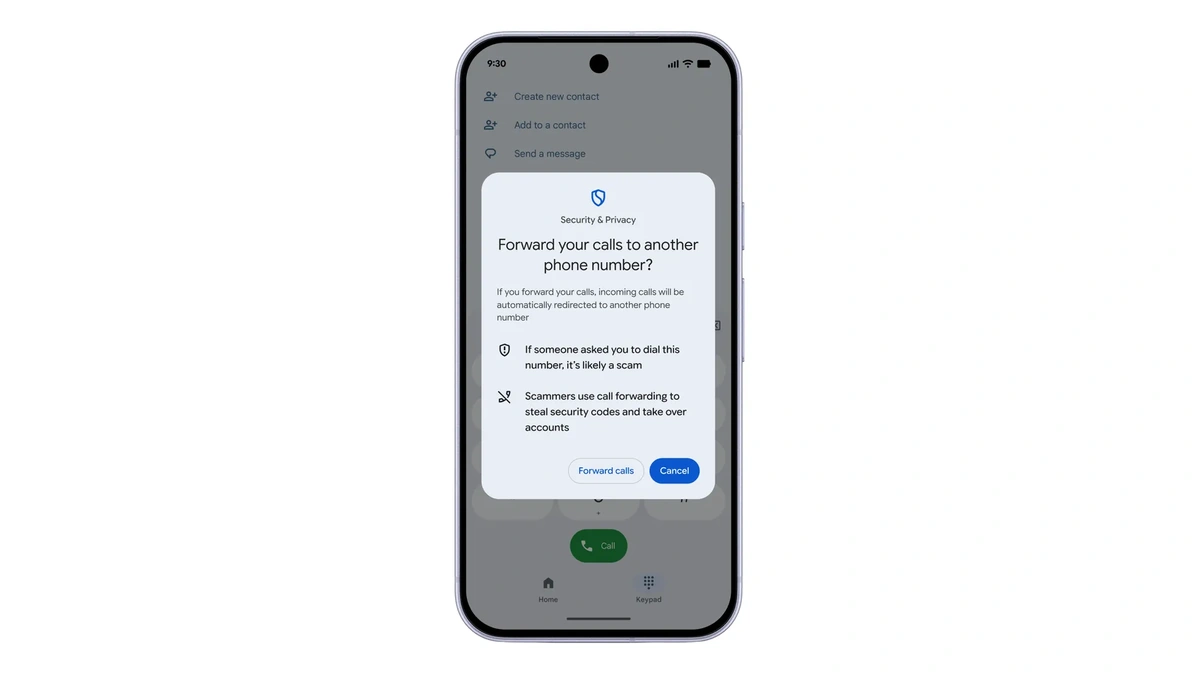
Two safeguards aim at social engineering during live calls. Screen-share privacy already hid sensitive fields in native apps; it now blanks login and payment screens in Chrome and Android WebView too, and it rolls out this month to Android 15 and later. Call-forwarding protection stops apps from switching forwarding on in the background and warns when someone has been talked into typing a forwarding code into the dialer, a route scammers use to intercept one-time passcodes. That one starts in early December on Pixel and select other devices.
Verified financial calls is the feature with a track record. Android asks a bank's own app whether the bank really placed an incoming call, then ends the call and alerts the user if it did not. Google says the system has blocked more than 3 million spoofed calls from Banco do Brasil and Itaú Unibanco numbers since June, and that Revolut customers are covered as well. Google also says Android outperformed iOS on built-in scam protection, but that comparison rests on a Google-commissioned assessment and a Google and YouGov survey, so it is Google's case, not a neutral ranking.
Most of this is conditional: an opt-in for cloud scanning, recent hardware for link checks, December for call forwarding. Protection on an Android phone will vary by model and by setup.