Meta launched AI Mode on Facebook, adding an AI-generated search tab that synthesizes publicly posted content from Facebook, Instagram, and Threads instead of returning conventional link results. The feature relies on Meta's Muse Spark model and appears alongside existing search filters such as People and Marketplace when users search on Facebook.
AI Mode "uses Meta AI to give you answers grounded in what people are saying publicly across our apps like in Groups and Reels, so you get real perspectives and experiences rather than a generic list of search results," according to Meta's announcement. Users can also ask follow-up questions based on what the model surfaces. Meta said the Muse Spark model will, over time, incorporate recommendations and content shared publicly across Instagram, Facebook, and Threads.
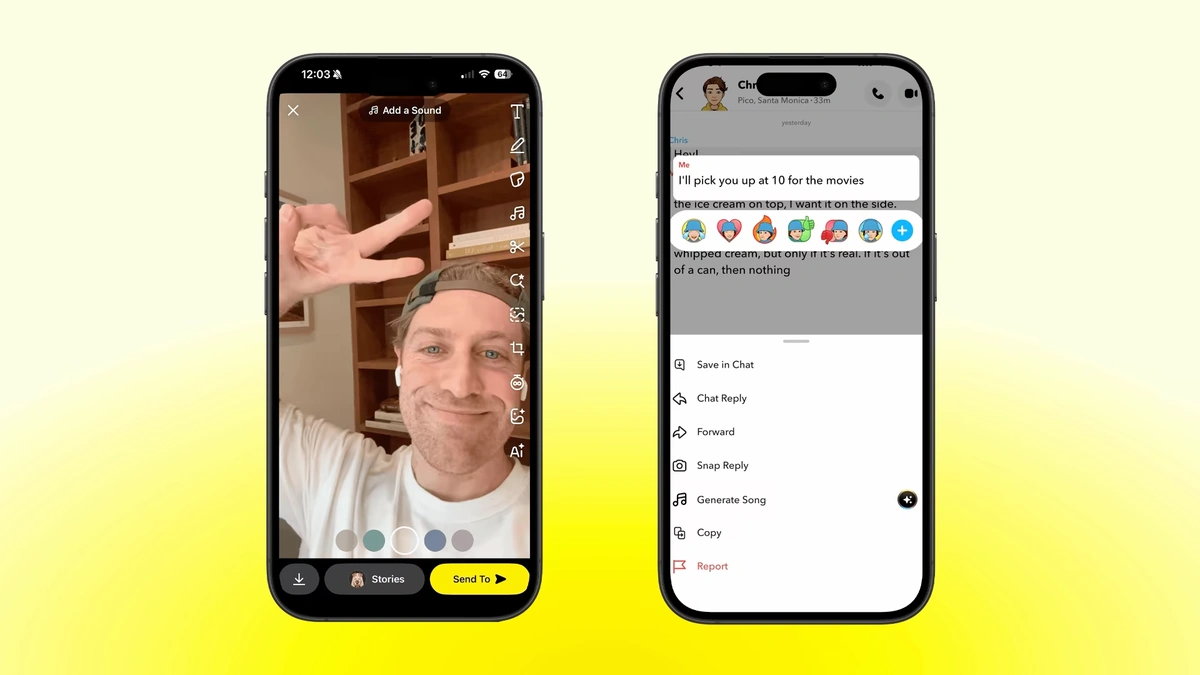
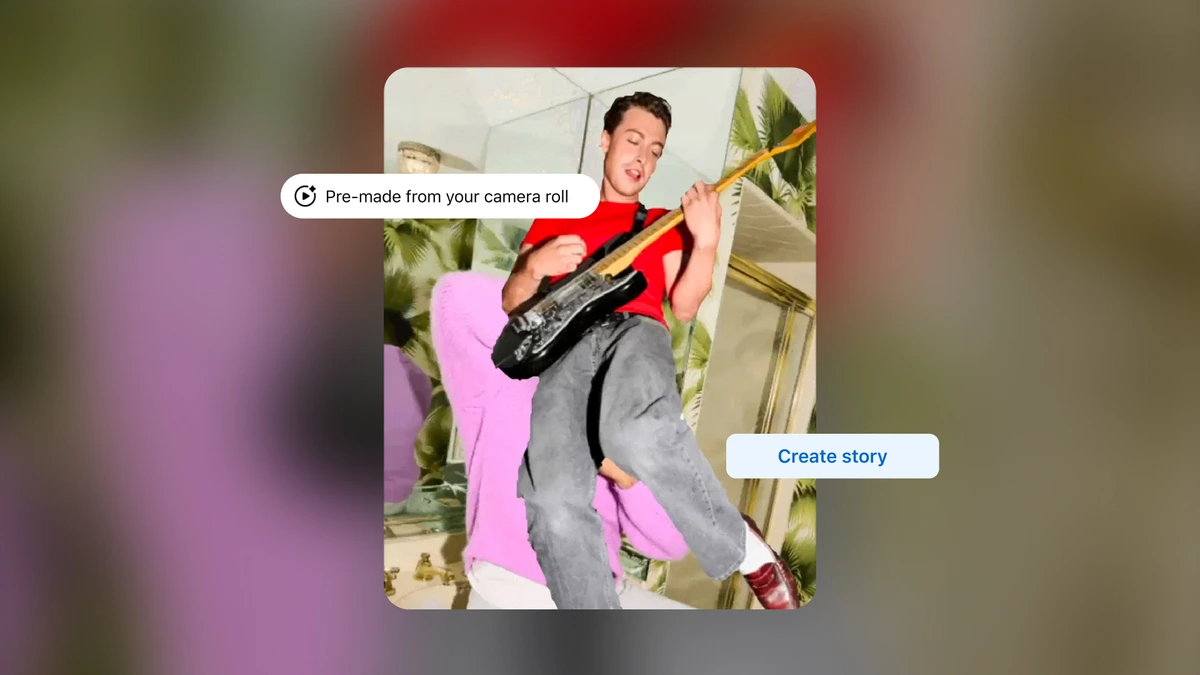
The launch bundles AI Mode with several other new Facebook features rolled out the same day. New photo presets let users virtually swap clothing (Meta specifically highlighted sports jersey swaps), while updated camera roll suggestions generate collage and video montage templates. Meta emphasized that camera roll sharing suggestions remain opt-in and can be turned off at any time.
The approach mirrors, but differs from, how Google pulls Reddit threads into AI Overviews in Search. Meta's version is closed-loop: the model draws from content posted within Meta's own apps, not the broader web, which limits the source diversity but concentrates query relevance around active community discussions on its platforms. That design choice raises an obvious implication for regular users: public posts now serve as source material for AI-generated answers that other users will see, a data use that Meta's announcement framed only as a feature benefit without addressing content provenance or opt-out controls for the source posts themselves.
Meta introduced Muse Spark as a model "purpose-built to prioritize people," positioning it as distinct from general-purpose frontier models. The application in AI Mode is its most visible consumer deployment to date. The feature rolls out first in the United States.