Muse Gadgets gives hobbyists the code to turn an ESP32 board or a Raspberry Pi into a device that talks to Meta's Muse AI agent. Meta published the device SDKs and firmware under the Apache 2.0 license, along with a list of starter builds and a Discord server where builders swap projects. The project page is frank about the risks, warning of bricked boards, voided warranties, brownouts and bankruptcies.
Meta describes Muse as a personal AI agent that handles errands such as sorting email, booking reservations and shopping from a chat window. Muse Gadgets pushes that agent into hardware. The ESP32 SDK lets a board connect to Muse and take on a screen, audio in and out, or extra sensors. The Linux SDK is for a spare Raspberry Pi or any other Linux machine, where custom commands can hand sysadmin chores or a Home Assistant setup over to Muse.
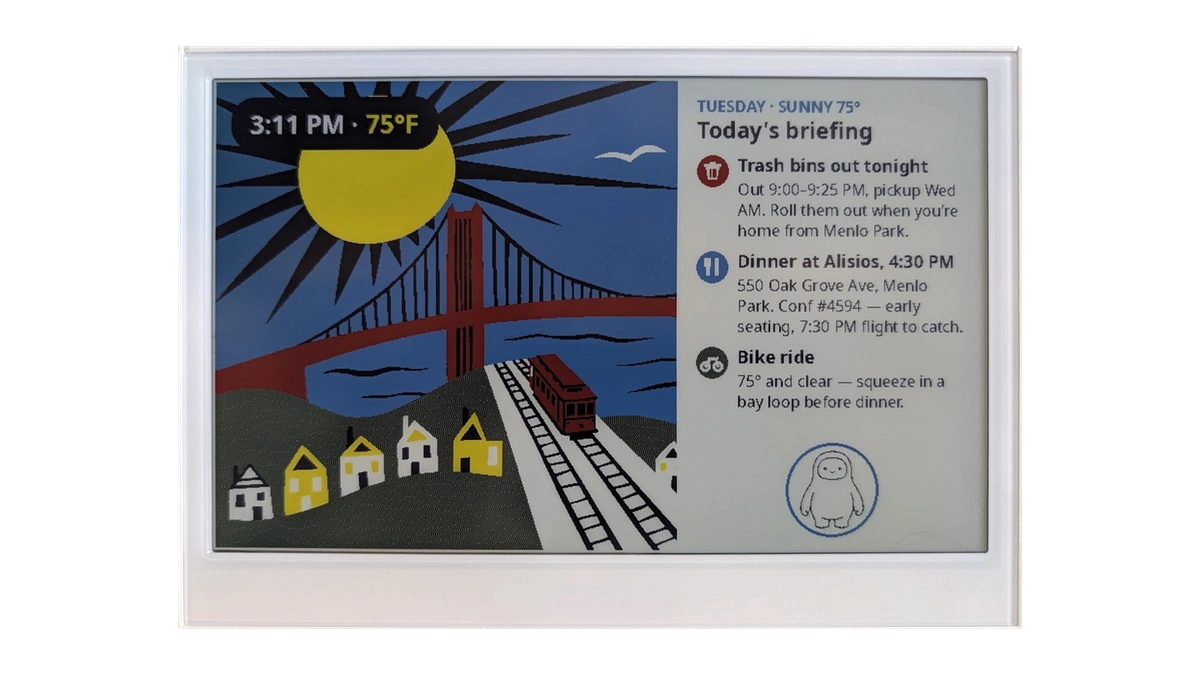
The starter list for Muse Gadgets mixes hardware from several makers: a Raspberry Pi 5, Waveshare's round AMOLED touchscreen with push-to-talk, Seeed's reTerminal E1002 color e-ink panel for morning briefings and reminders, and a handful of smaller ESP32 boards. An HDMI stick for putting Muse on a TV is marked coming soon. Meta disclaims endorsement and warranty for all of the third-party hardware.
Meta's own entry is Muse Home Link, a USB-C gadget on the ESP32-C5 chip that joins a home network over Wi-Fi 6 so Muse can reach compatible devices. Per Meta, it is free with an active Muse subscription in the United States, one per subscriber, first come, first served, and ships in October. Claiming one holds a place in line and is not an order. Community-written skills add support for devices such as Philips Hue lights, Sonos speakers and Samsung TVs, though Meta warns that skills can change or break and should not be relied on for home security, emergencies or medical needs.
Meta keeps Home Link itself closed. Its firmware is based on the open-source ESP32 Device SDK, yet the unit runs only official firmware and cannot be reflashed. Licensing for Muse Gadgets follows the same pattern. The code is Apache 2.0, but builders start by requesting an SDK token, and Meta's token terms limit it to personal, non-commercial use. A token can go into at most 50 devices that a builder makes available to others, none of them sold, advertised or listed publicly, and no device may be presented as made or endorsed by Meta.
That makes Muse Gadgets a tinkerer's platform: the code is open to read and run on a spare board with a Muse account, but selling what comes out of it needs Meta's written permission.