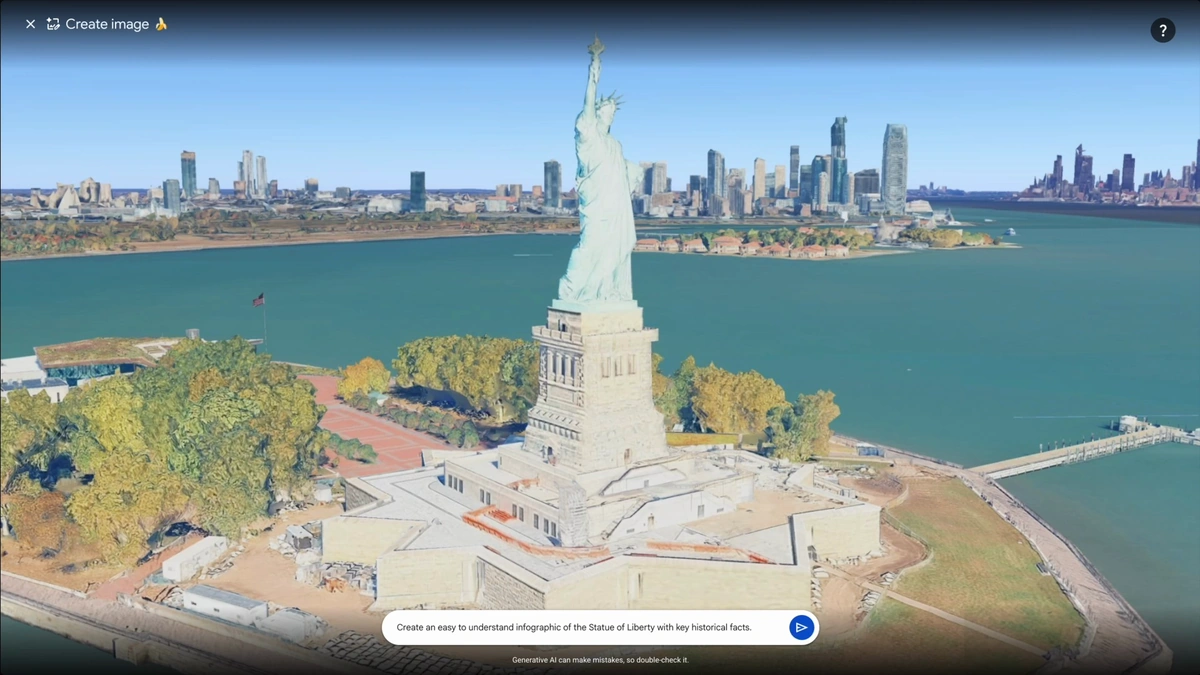
Google is pulling back the Nano Banana 2 picture-generation tool it added to Google Earth roughly a day earlier, after people began circulating AI-made renders of real locations that crossed its content rules.
Google's own account of the reversal, credited to Bryan Horowitz, Product Manager for Google Earth, says the company is suspending the tool until it puts tougher safeguards in place, after some users posted generated scenes elsewhere that broke its guidelines. Google notes the renders were never shown to anyone besides their creator inside the app itself, and that each one carried a visible AI-generated watermark.
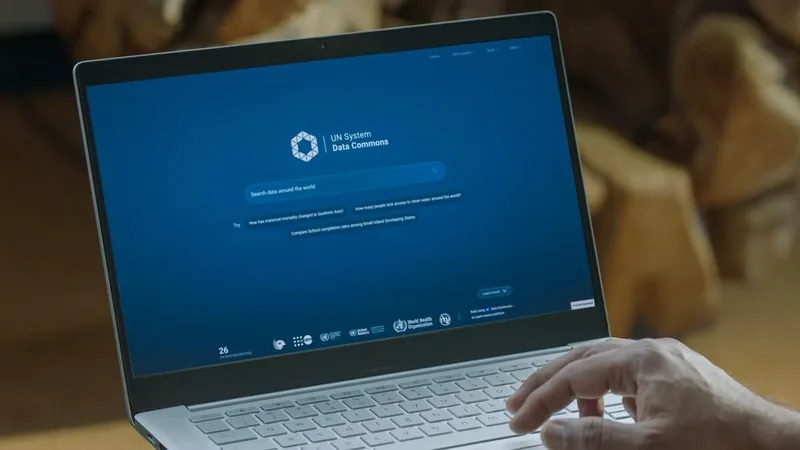
The tool itself, which our coverage of Google's original rollout covered the day before, ran on Gemini, the Google DeepMind model, to let a person type a prompt over any spot in Google Earth and get back a scene grounded in that location's own satellite and 3D imagery, the same base layer Google Earth shares with Street View and Google Maps. A general-purpose AI image tool from Midjourney, OpenAI, or Stability AI does not attempt that kind of grounding, since none of them claims to be an accurate record of a specific street or backyard in the first place.
That gap is what makes the reversal notable beyond the specific renders that triggered it. A synthetic scene made in a general art app carries no implicit claim about a real address; a synthetic scene built on Google Earth's own base imagery inherits some of that credibility even after a viewer knows it was invented, and a saved screenshot strips away whatever markers Google attaches on its own platform. Google's own Magic Editor in Google Photos already lets people drop AI-generated elements into personal snapshots, but a personal snapshot never carried the implicit claim of being an accurate survey of a real address the way Google Earth does.
That is a narrower problem than banning the tool outright, and Google's own framing, a rollback rather than a shutdown, points toward bringing generation back once it can keep an invented scene from reading as documentary evidence of an actual place. What stronger enforcement looks like is still unclear; the company gave no timeline, and did not say whether the same restrictions now apply to any similar tools in sibling products like Google Maps.