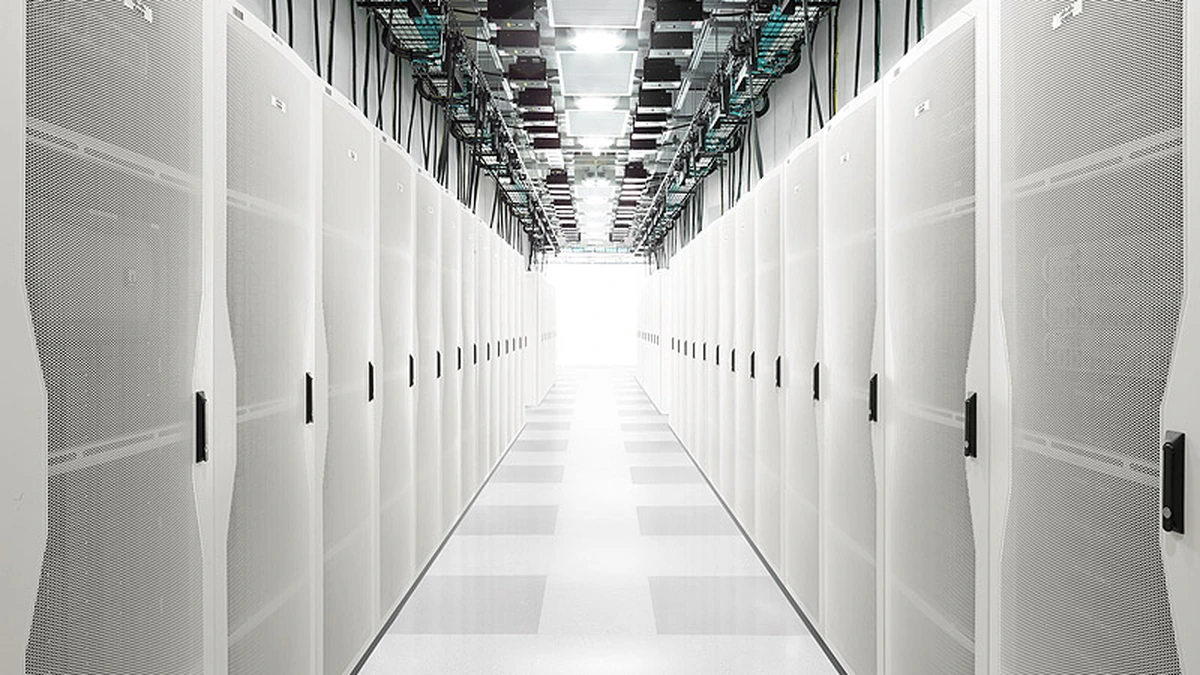
Cisco is expanding its Secure AI Factory with NVIDIA to add rack-scale computing systems, pairing its networking and services stack with Supermicro-built servers that are liquid- and air-cooled. The expansion is aimed at neocloud and sovereign cloud operators that want validated infrastructure rather than parts they have to assemble.
The expanded portfolio covers NVIDIA Vera Rubin NVL72 and HGX Rubin NVL8 platforms, spanning trillion-parameter training runs down to high-throughput inference. Per Cisco, the configurations carry NVIDIA Cloud Partner (NCP) compliance, with rack-to-fabric liquid cooling that pairs Cisco's liquid-cooled AI networking systems with Supermicro's liquid-cooled servers. Supermicro compute systems will begin shipping as part of the Secure AI Factory in October 2026.
Cisco's networking position sets the offering apart. Silicon One-based switches handle the front end, NVIDIA Spectrum-X switches run the back end, and Nexus One unifies the two. Cisco says it is the only NVIDIA technology partner to run its own switches and network operating system inside an NCP-compliant solution, which gives buyers a single vendor accountable for the network.
On the services side, the company is adding Cisco Validated Infrastructure Services, aligned with NVIDIA Infrastructure Services, to certify that deployed infrastructure matches the reference architecture. NVIDIA AI Enterprise software and AgenticOps tooling arrive through Cisco Cloud Control, letting operators correlate job health with compute, NIC, optics, and network metrics. Jeetu Patel, Cisco's president and chief product officer, frames the expansion around the scale of current datacenter buildouts: organizations are racing to scale AI, but speed only counts when control of data, managed token costs, and real return on investment hold.
The rack-scale push extends the Secure AI Factory story Cisco has been building for neoclouds and sovereign clouds: dense GPU clusters managed alongside non-AI workloads, with power and cooling constraints shaping where infrastructure can be built. For buyers comparing vendors, the open question is whether NCP validation and a single accountable vendor are worth more than assembling equivalent parts directly.