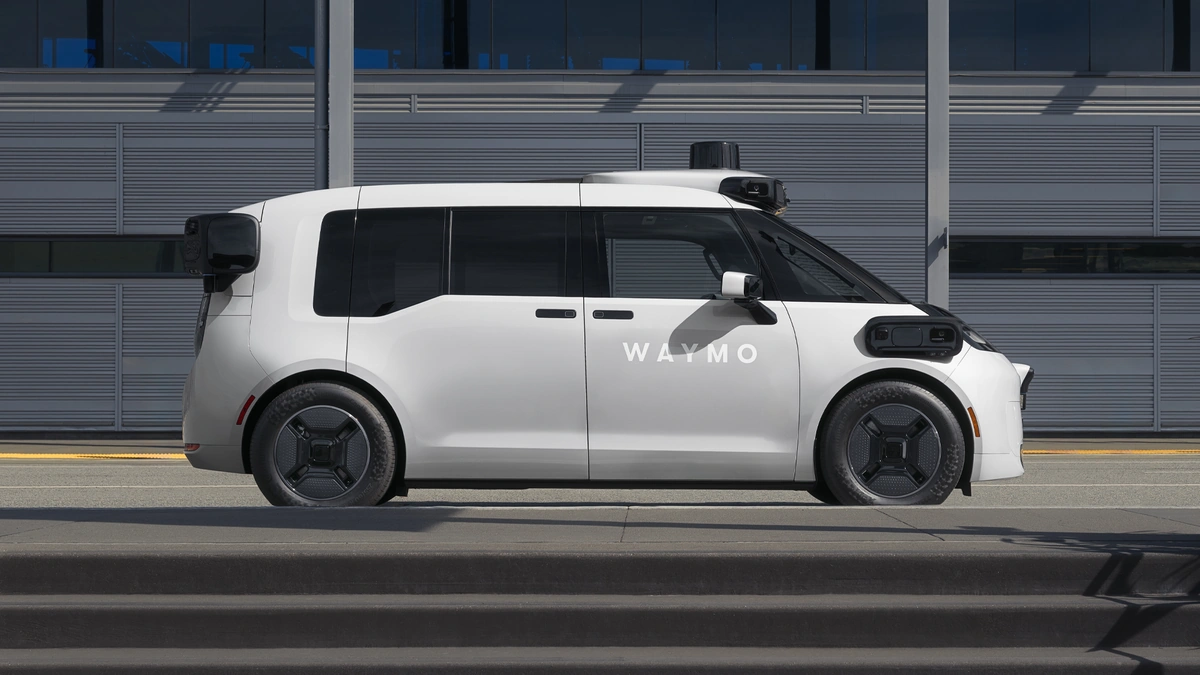
Waymo has taken on debt for the first time, closing a $5 billion term loan that now sits beside its earlier $16 billion equity investment. The money is meant to fund the expansion of its driverless ride-hailing service.
Per Waymo, PIMCO, Blackstone and Sixth Street served as lead syndicated lenders, with Capital Group, Loomis Sayles and T. Rowe Price named as significant lenders. Apollo, Blue Owl, Diameter Capital Partners, Franklin Templeton, Fidelity Management & Research Company, HPS Investment Partners and Oaktree joined the group, and Goldman Sachs acted as sole lead bookrunner. Waymo adds that several of those names may be lending through funds or client accounts they manage, not from their own balance sheets.
Waymo's chief financial officer, Steve Fieler, wrote that the company sees the loan as a step in its evolution into "a scaling commercial enterprise." The reasoning is that debt complements the earlier equity, giving the company more financial flexibility and a stronger balance sheet. Waymo says the capital will go toward widening its fully autonomous service across the United States and abroad. It also points to the pace of its commercial operations: a fifteenth U.S. city went live in September, and new international cities were announced at the same time.
A first loan from a lender list this long, made up largely of credit and asset managers, shows that institutional investors are willing to lend against a robotaxi business, not only to buy a stake in it. Equity buyers share in the upside of a bet; lenders expect to be repaid on a schedule, so they have to be comfortable with how reliably the service can earn. Waymo has not disclosed the interest rate, the maturity, any collateral, or how the $5 billion will be divided among vehicles, depots and new cities.
For riders and for competitors, the loan matters mainly through its effect on the map. Money earmarked for expansion should show up as new service areas and cities, so the next few launch announcements from Waymo will be the clearest evidence of how quickly it is spending.