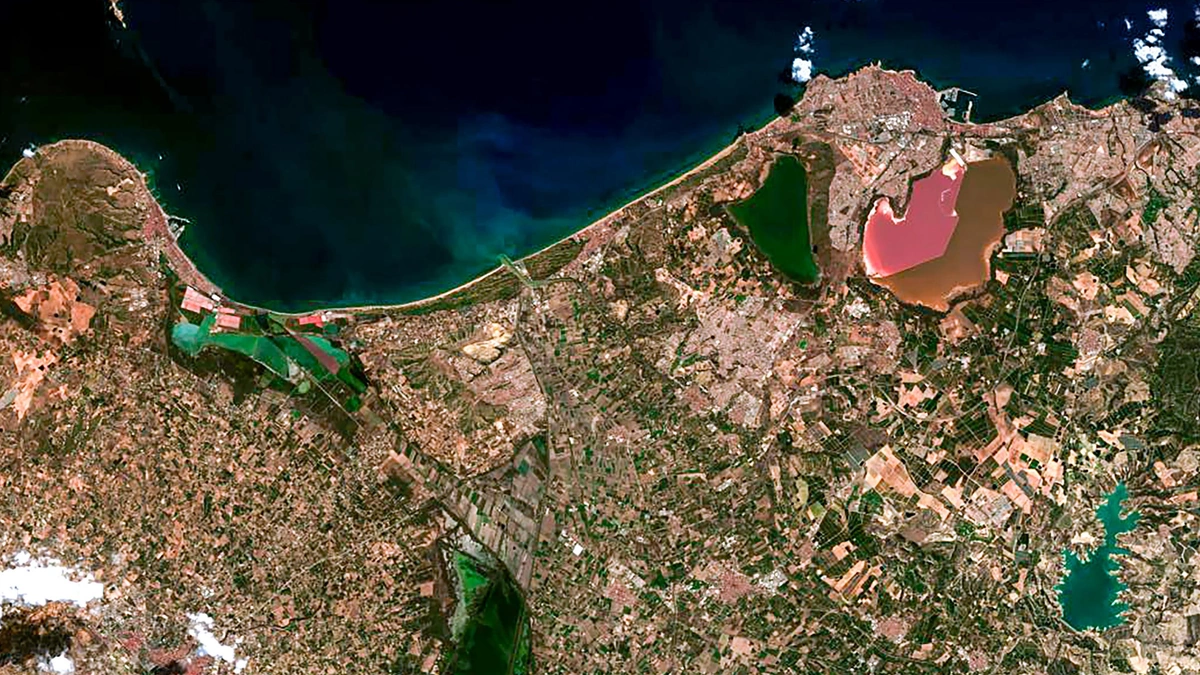
Tanager-2, Planet's second hyperspectral satellite, captured its first light image on October 7, six days after it rode SpaceX's Transporter-18 rideshare into orbit on October 1. The target was the Pink Lake at Torrevieja, Spain, a salt lagoon that gets its color from Halobacterium and micro-algae.
Planet says Carbon Mapper, the nonprofit Planet developed Tanager-2 with, detected a large methane plume over the Spanish coast in data from the same capture that produced the lake picture. Carbon Mapper will post methane and CO2 observations from Tanager-2 on its public portal once commissioning and calibration are done.
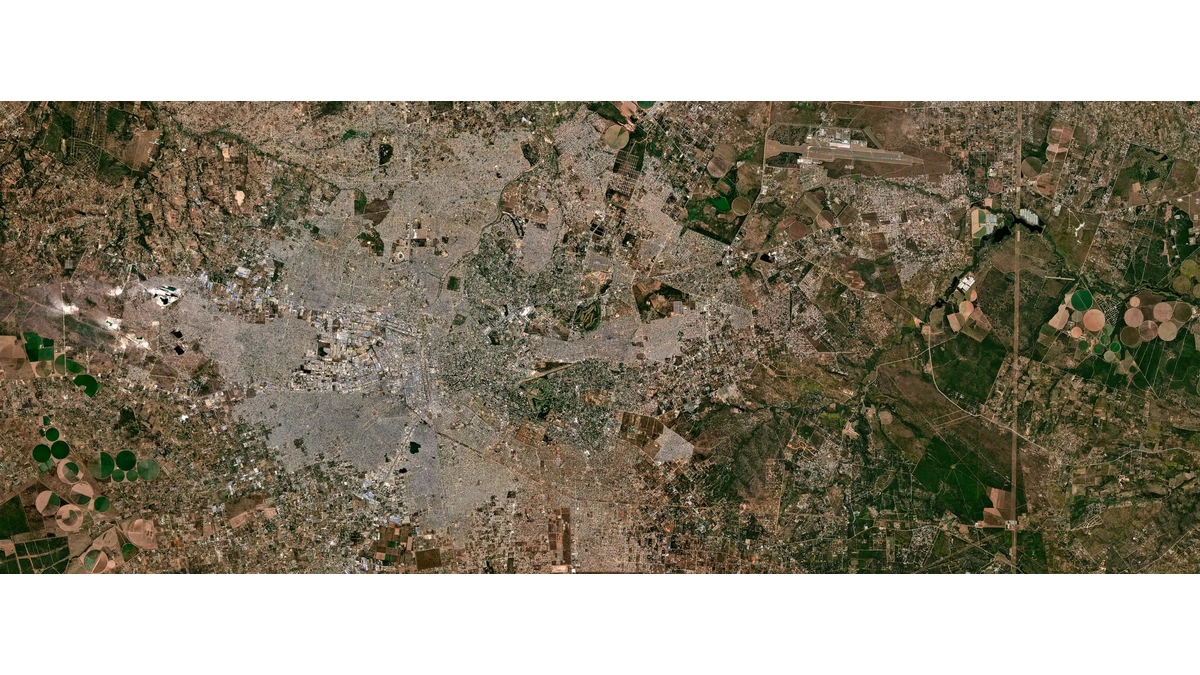
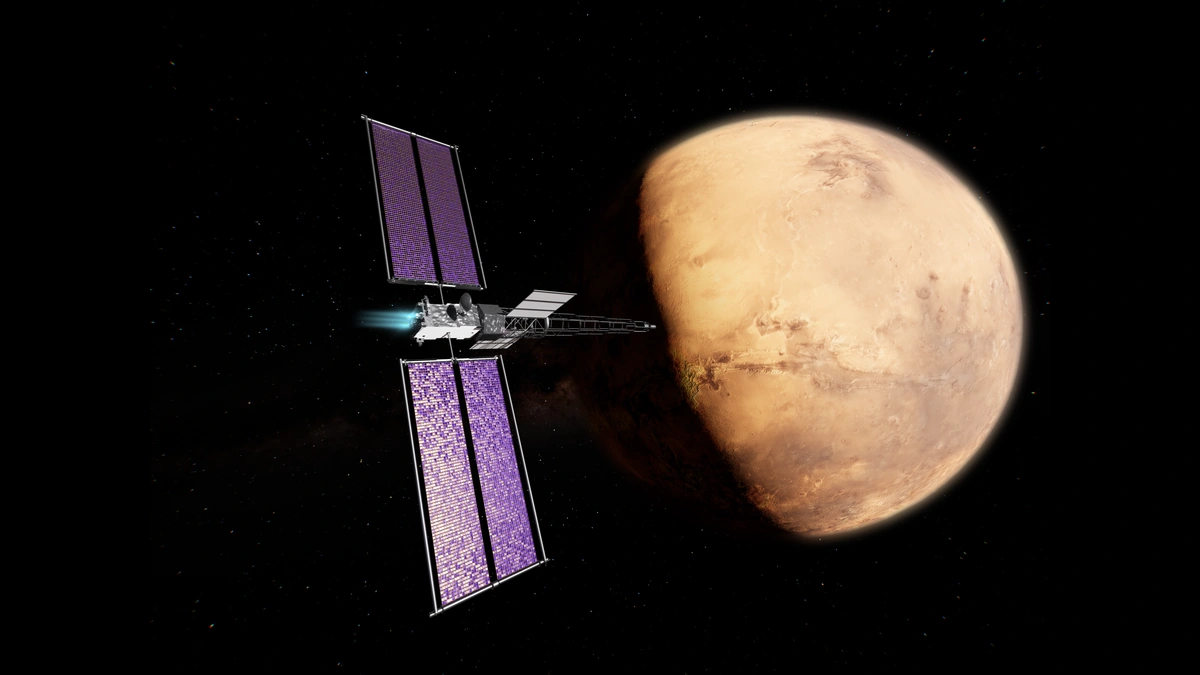
A satellite from Flock 4J, Planet's latest flock of SuperDoves, imaged the Great Barrier Reef near the Whitsunday Islands on October 6. Planet plans to feed that flock into its daily PlanetScope monitoring. All of the satellites Planet put on the October 1 launch, including the prototype for Google's Project Suncatcher, are healthy and progressing through calibration, the company says.
Planet expects Tanager-2 to roughly double its hyperspectral monitoring capacity. The satellite is also meant to support glint tasking, a collection mode Planet says improves methane detection at offshore sites, and the company says the growing constellation will improve its imaging over cloudy regions such as the Amazon. James Mason, Planet's chief space officer, puts the split between the two satellite types this way: SuperDoves look broadly, while Tanagers read the chemistry of the surface and atmosphere, and he expects a larger Tanager fleet to widen work from methane detection to biodiversity tracking and mineral prospecting. Planet gives these specs for its Tanager satellites:
| Spec | Tanager |
|---|---|
| Ground resolution | 30 m |
| Spectral bands | 424, from 400 to 2,500 nm |
| Swath width | 18 km |
| Revisit | Weekly |
The USGS has independently evaluated the first satellite, Tanager-1. In Planet's summary of the results, its bands lined up to within about a tenth of a pixel and its channels were accurate to under a nanometer. Its brightness readings tracked Landsat and ground calibration sites with slopes between 0.830 and 1.066, where a perfect match is a slope of 1 with no offset.
Planet and Carbon Mapper plan to build at least three more Tanager satellites after this one. Planet's next launches span several constellations, and the company recently opened a manufacturing facility in Berlin.