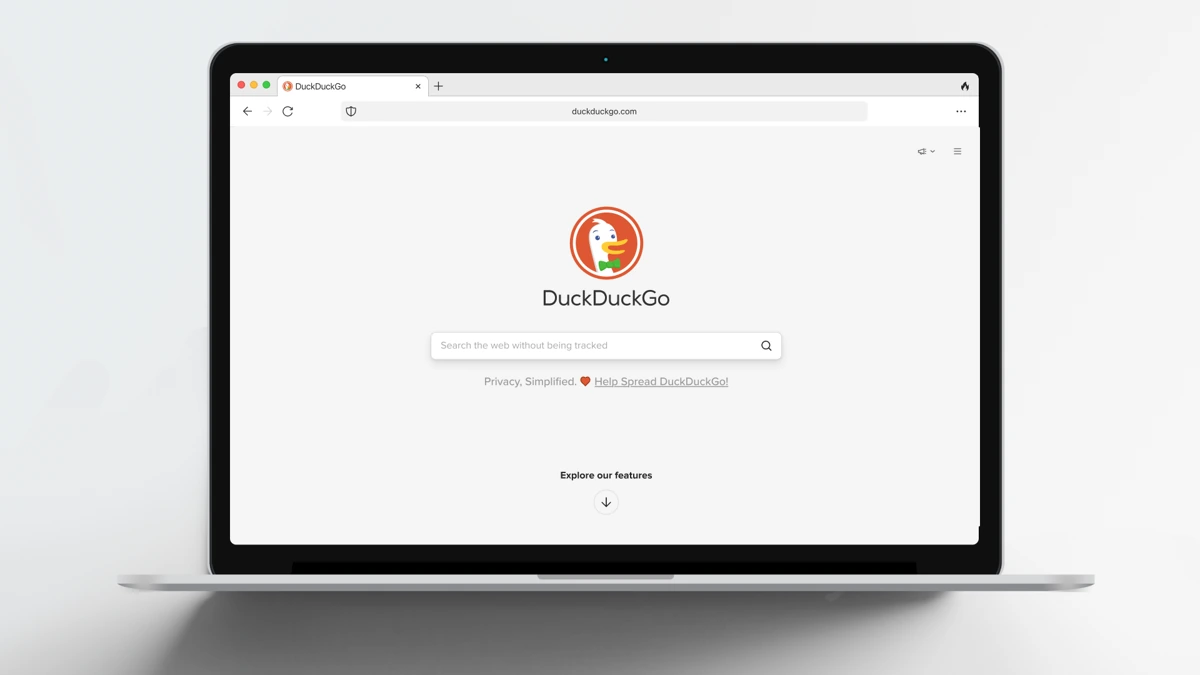
DuckDuckGo is a privacy-focused search engine that has launched Chrome and Firefox browser extensions letting users set its no-AI search experience as their default. The extensions direct searches to noai.duckduckgo.com, a version of the engine that returns results without AI-generated overviews, chat prompts, or AI-processed images, and they preserve those preferences even when users clear their browser history.
The product follows a surge in DuckDuckGo traffic after Google rolled out an AI-first overhaul of its search engine at its developer conference last month, pushing AI-generated summaries and an AI Mode chat experience to the top of results while demoting the traditional link list. TechCrunch reported that traffic to DuckDuckGo's no-AI search page climbed roughly 30 percent week-over-week in the days that followed, with U.S. iOS app installs peaking at 69.9 percent week-over-week. Visits were running roughly 84 percent above the pre-announcement baseline by the final days of May, a number DuckDuckGo describes as a sustained shift rather than a single-day spike.
DuckDuckGo's new extensions are available now for Chrome and Firefox. Users already running the DuckDuckGo browser have their AI preferences preserved automatically. The company plans to update its existing DuckDuckGo Privacy Essentials extensions for Chrome, Firefox, Edge, and Opera to include AI search controls as well. The extensions fill a gap for users who do not want to switch their primary browser entirely but want consistent no-AI results across sessions.
DuckDuckGo is not positioning itself as anti-AI across the board. The company offers its own AI chatbot, Duck.ai, with access to multiple models, and a subscription that bundles model access with a VPN and identity protection services. The no-AI search page and the new extensions are a specific toggle for users who want web search separated from AI-assisted answers, a distinction DuckDuckGo has emphasized since Google's announcement made the AI-free option harder to find in mainstream browsers.
The open question is whether the traffic gains are durable. Early-adopter spikes after a major competitor's controversial product change often fade. If the 84 percent baseline lift holds across the coming weeks, it would represent a meaningful structural gain in DuckDuckGo's search share and a durable argument for the no-AI extensions as a mainstream privacy feature rather than a niche workaround.