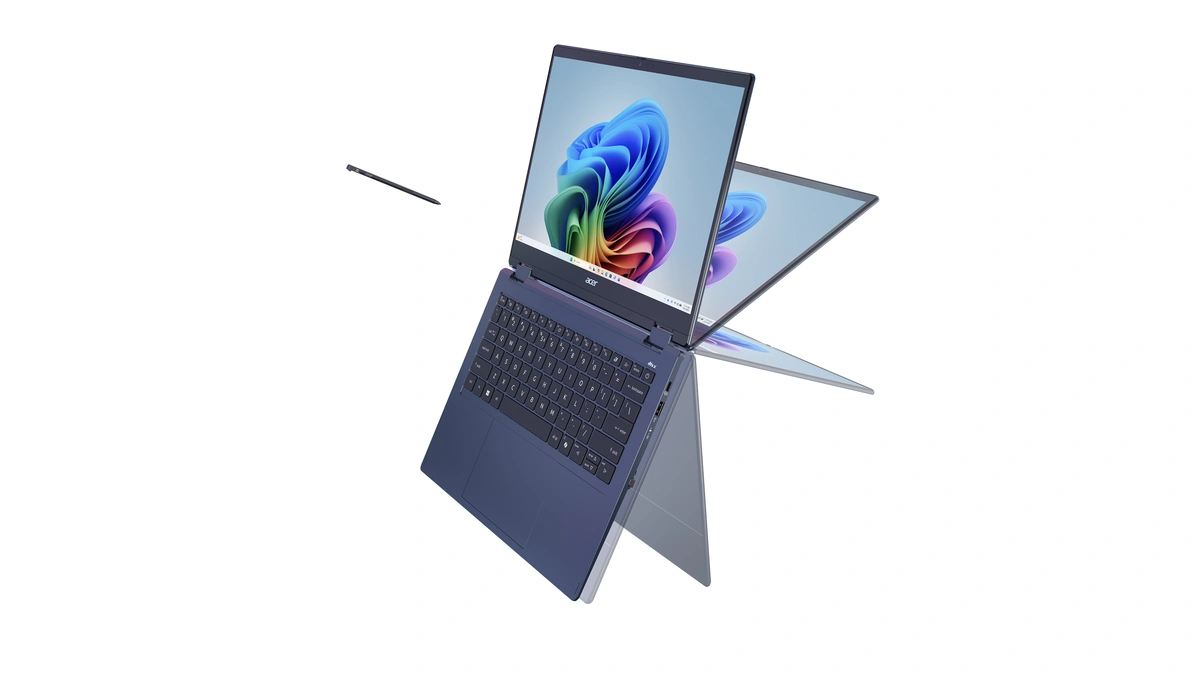
Acer Swift Spin 14 AI is a Snapdragon-powered Windows laptop that Acer announced alongside the Aspire Go 15, a budget Arm-on-Windows entry point built on Qualcomm's Snapdragon C platform. The Acer Swift Spin 14 AI and Aspire Go 15 launched in late May, per Acer, with availability windows confirmed but pricing withheld for both machines.
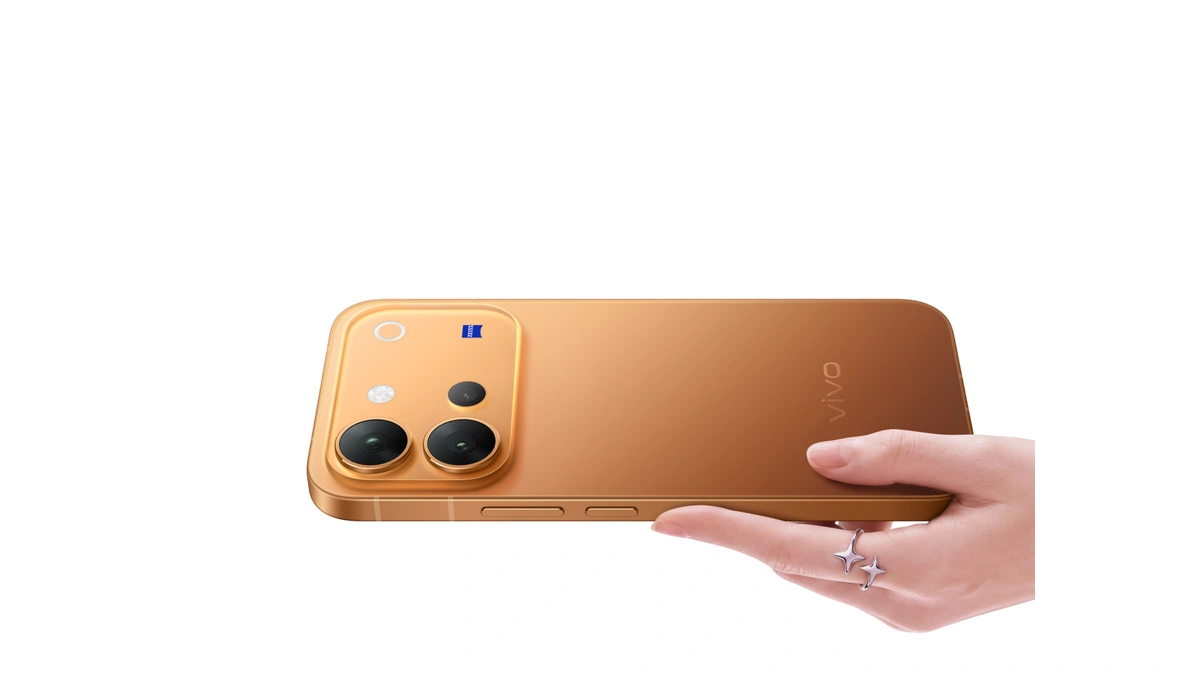
The Acer Swift Spin 14 AI (model SFSP14-Q51T) ships with either a Snapdragon X2 Elite or Snapdragon X2 Plus, with 80 TOPS NPU, up to 32 GB LPDDR5X RAM, up to 1 TB SSD, and a 14-inch WUXGA (1920x1200) display. Battery figures are 23 hours of video and 16.5 hours of web use from a 65 Wh cell. Availability is July in EMEA, August in North America, and Q3 in Australia.
The Acer Aspire Go 15 (AG15-Q31P) sits below the Copilot Plus threshold: a 15.6-inch FHD display, up to 8 GB RAM, up to 512 GB storage, and a 53 Wh battery powered by the Snapdragon C processor. The Acer Swift Spin 14 AI targets Copilot Plus buyers; the Aspire Go 15 is a battery-efficient Arm machine for users where power efficiency matters more than AI acceleration. Availability dates for the Aspire Go 15 will be announced later.
No pricing was disclosed for either model at announcement, making direct comparison with competing Snapdragon X Elite laptops from Lenovo, HP, and Samsung premature. Both launches together show a deliberate strategy to push Snapdragon-on-Windows from the premium productivity tier down to the budget category, following Qualcomm's push to expand Snapdragon coverage across more price points.
The Acer Swift Spin 14 AI's 23-hour video battery claim, if it holds under mixed-use conditions, would rank it among the longest-running Windows laptops at this size. The 16.5-hour web figure is the more practical benchmark for workday use, and both numbers need independent validation before they can carry real purchasing weight.