Isaac ROS 5.0 arrived at the ROSCon conference in Toronto with a shift in who NVIDIA expects to do the work: its GPU-accelerated robotics packages are now organized so that AI coding agents, alongside the engineers directing them, can set up, tune and assemble robot software.
Per NVIDIA, the update adds support for ROS Lyrical and Ubuntu 24.04, and its core is a set of Isaac skills, reusable setup and manipulation workflows that an agent can run, backed by documentation written for agents to parse. One skill lets an agent help fine-tune the FoundationStereo perception model to a particular camera rig and environment, a calibration chore that usually eats engineering hours. Another packages pick and place, the chain linking detection, depth estimation and pose output, as a standalone skill that also works outside Isaac ROS. NVIDIA says FoundationPose, its model for object pose estimation and tracking, now ships an agent-ready inference library that tracks objects up to 5.5x faster.
The platform work reaches beyond Isaac ROS. NVIDIA says it worked with the Open Source Robotics Alliance to contribute a standard data-handling interface to ROS Lyrical so robot code can run efficiently across different computing hardware, with CUDA as the worked example for GPUs. That interface lands in ROS itself rather than in NVIDIA's own stack, which widens its reach to a community NVIDIA puts at nearly 1.3 million users. For deployment, the release covers Jetson hardware from the entry-level Jetson Orin Nano up to Jetson Thor.
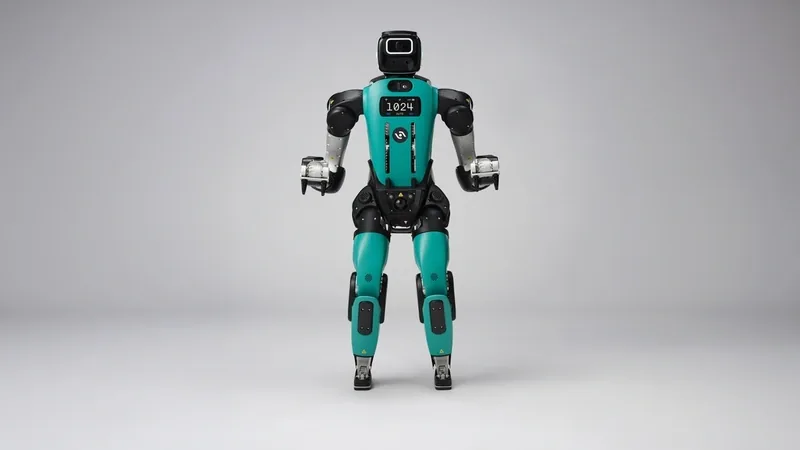
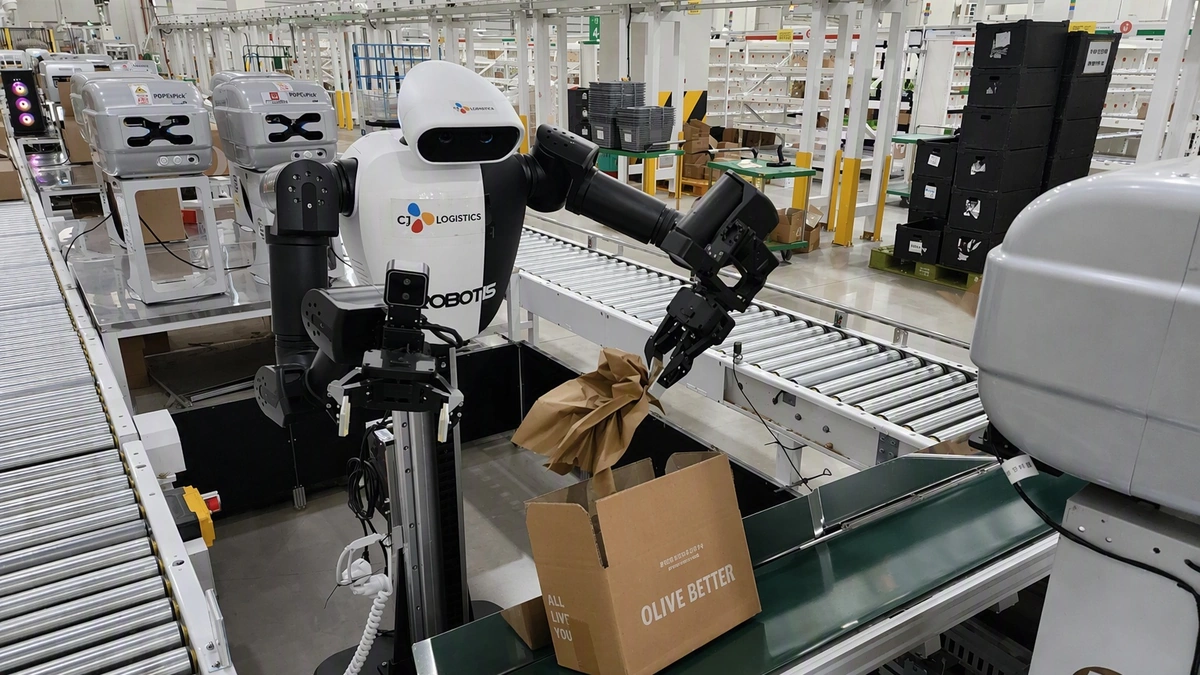
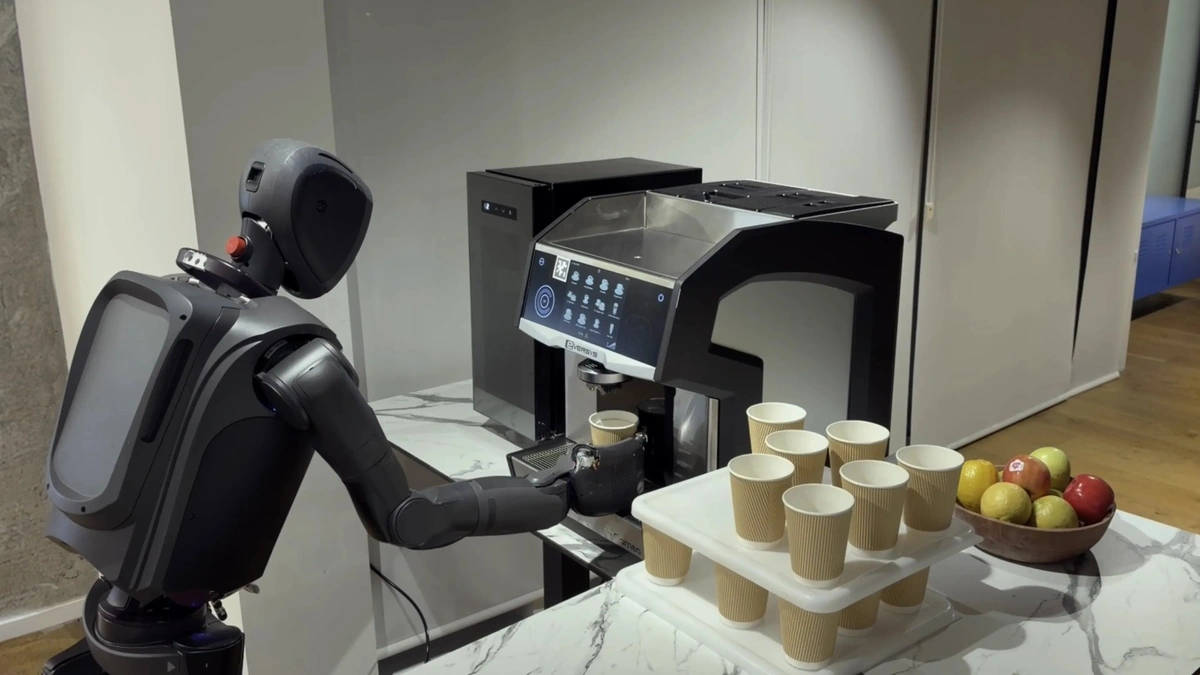
NVIDIA lists a long roster of adopters. Mentee Robotics uses Isaac ROS as the perception and AI backbone of its MenteeBot humanoid, and the company's shared software base across Jetson Orin and Jetson Thor lets it carry that work from current robots to newer designs. Universal Robots has built it into its AI Accelerator SDK for integrators, ROBOTIS is adding it to its AI Worker robot for vision-guided picking, and Flexiv is pairing it with its adaptive Rizon robot arm. RealSense sponsors AgenticROS, an open source project linking Isaac ROS to NVIDIA's Nemotron open models and NemoClaw blueprints so agents can interact with ROS-based robots. Magna, Seeed Studio, Intrinsic, Foxglove, Ekumen, Ouster, FieldAI and Noble Machines also appear on the list.
The release is available now as free, open source software, with code in NVIDIA's Isaac ROS repositories on GitHub. What the announcement leaves unmeasured is the agent angle itself: it offers no figures on how much development time the new skills save, and a stereo fine-tuning skill still depends on a developer feeding it good camera data from the real robot.