Raspberry Pi Desktop is installable again on ordinary PCs and Intel Macs, with a current build replacing a 32-bit release that had sat on the website for years. Anyone with an aging laptop to revive can now get the same desktop that runs on Raspberry Pi boards, minus the board.
Per Raspberry Pi, the new image is built on Debian Trixie in its 64-bit amd64 form, because Debian itself has stopped supporting 32-bit PC hardware. Most PCs made in the last 15 years or so can run it, as can most Intel-based Macs. This Raspberry Pi Desktop carries the recent changes from the Pi side, such as the new dock, and adds a Raspberry Pi Connect client.
With Raspberry Pi Desktop installed, the Connect client puts a PC or Mac in the same device list as a fleet of Raspberry Pi boards, with screen sharing and a remote terminal for each. A PC has no unique hardware ID the way a board does, so setup asks for a device name that then appears on the Connect website.
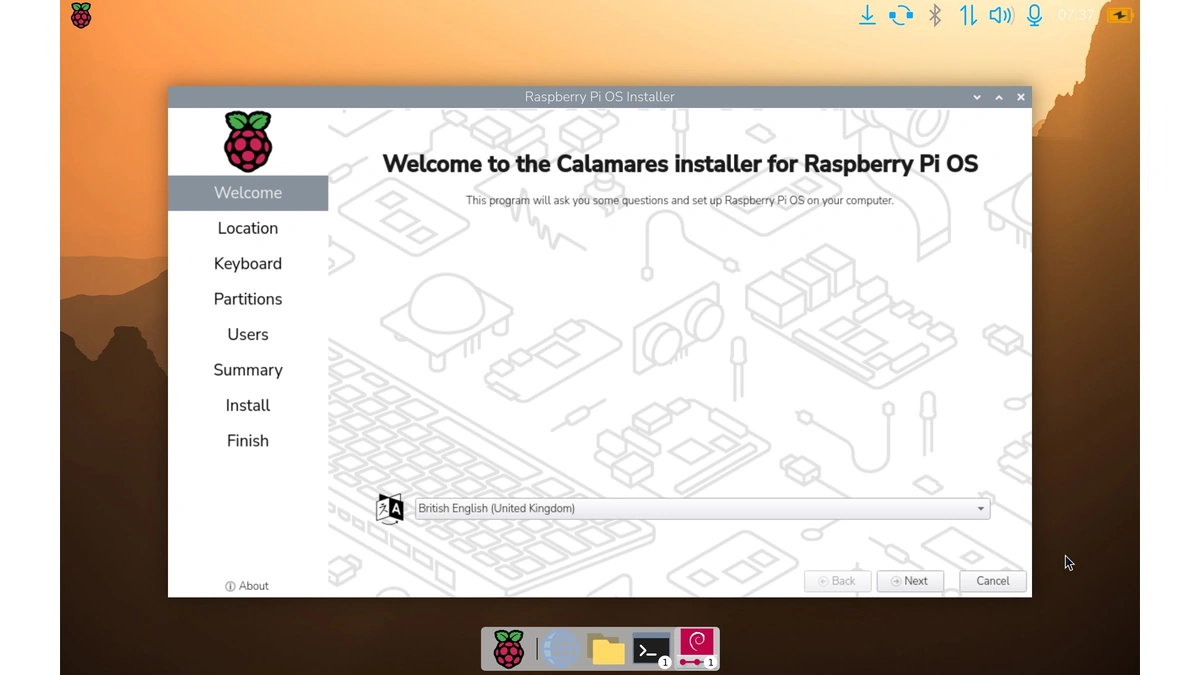
Raspberry Pi Desktop ships as a live ISO. A user flashes the file to a USB stick, boots from it and chooses “run with persistence” so changes are written back to the stick; a reset option wipes them. Calamares, the standard Debian installer, can then copy it to an internal drive or SSD from a desktop shortcut or the Install Raspberry Pi OS entry in the System Tools menu.
Two limits stand out. Apple Silicon Macs are excluded because Debian's support for those chips is still experimental, and Raspberry Pi's Simon Long told commenters the company is unlikely to attempt an ARM build until that changes. There is also no upgrade path: Long said the 64-bit release is a complete replacement, so owners of the old 32-bit version have to reinstall.
The long gap has a plain business explanation. Raspberry Pi earns its money selling computers and has never charged for its software, so maintaining a PC edition that mostly serves people who are not buying boards was hard to justify against a full roadmap, the company says. Demand never faded, though; it reports two or three emails a week asking when the PC version would be updated. The Connect client also gives that edition a job inside Raspberry Pi's own ecosystem, since a spare laptop can now sit in a Pi fleet as a managed device.