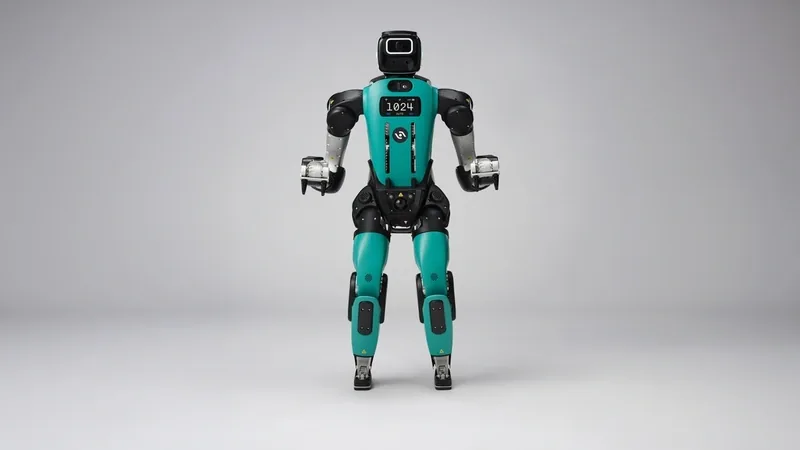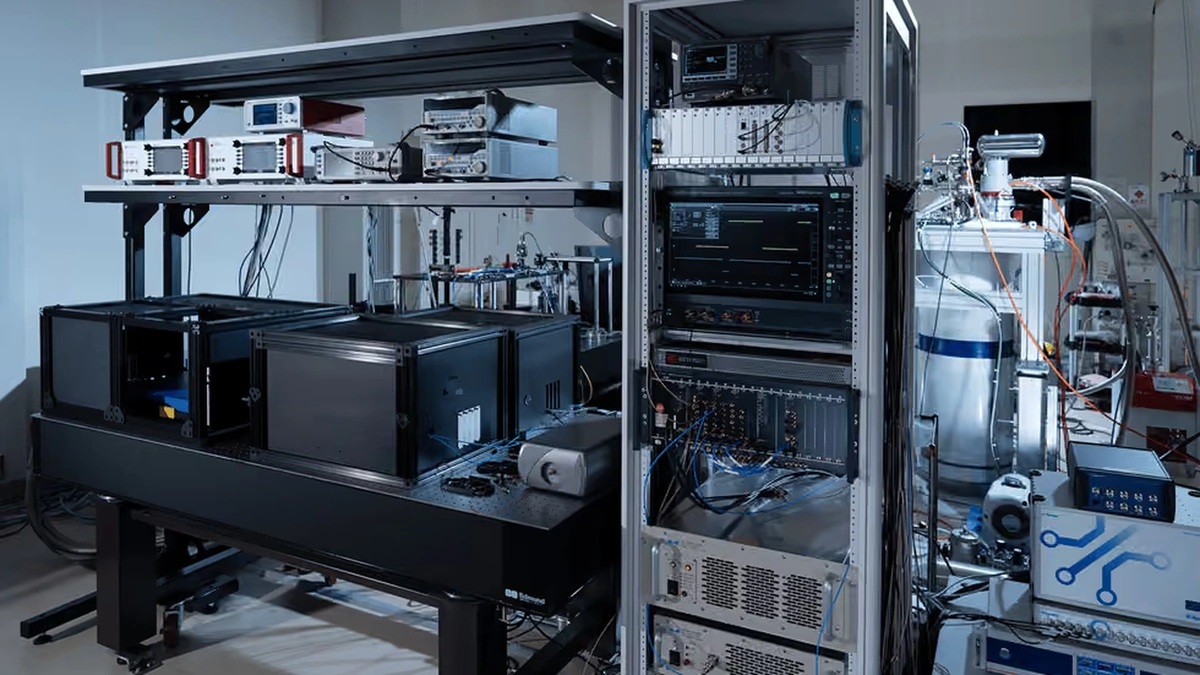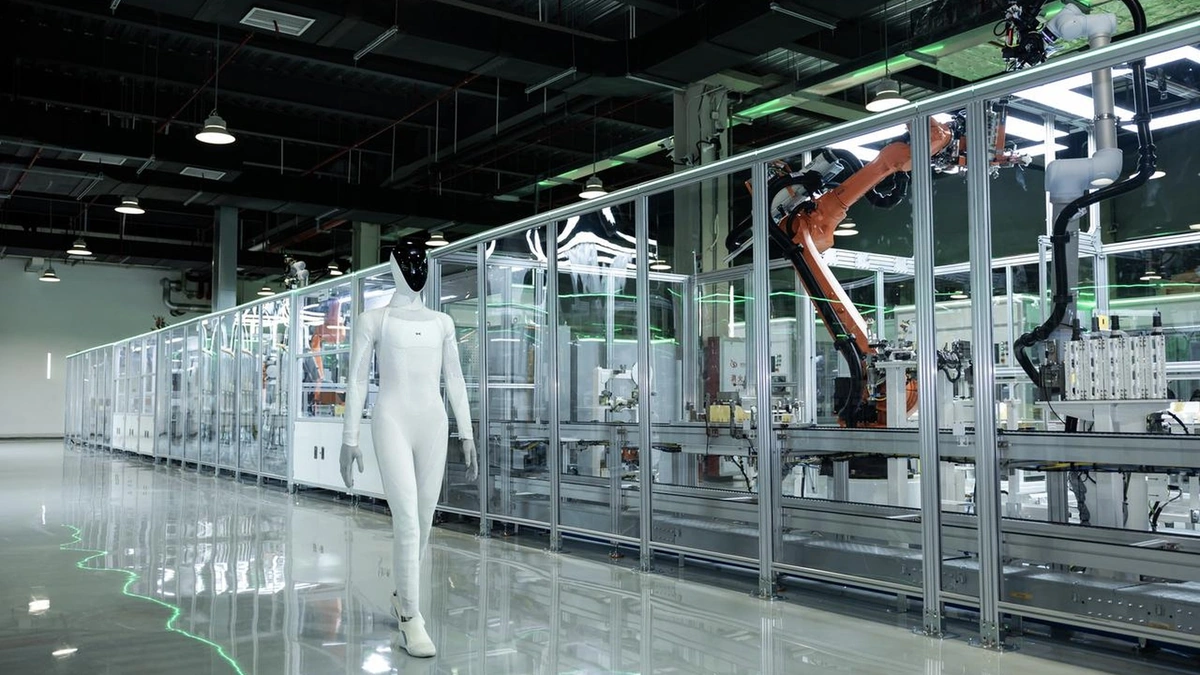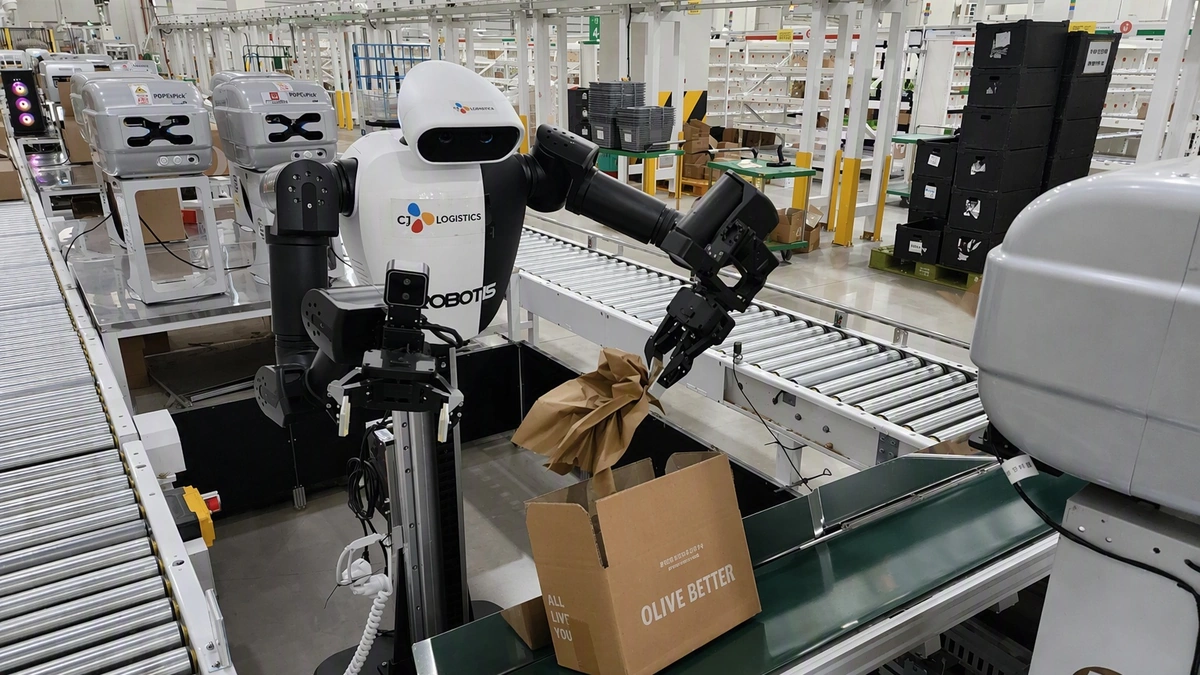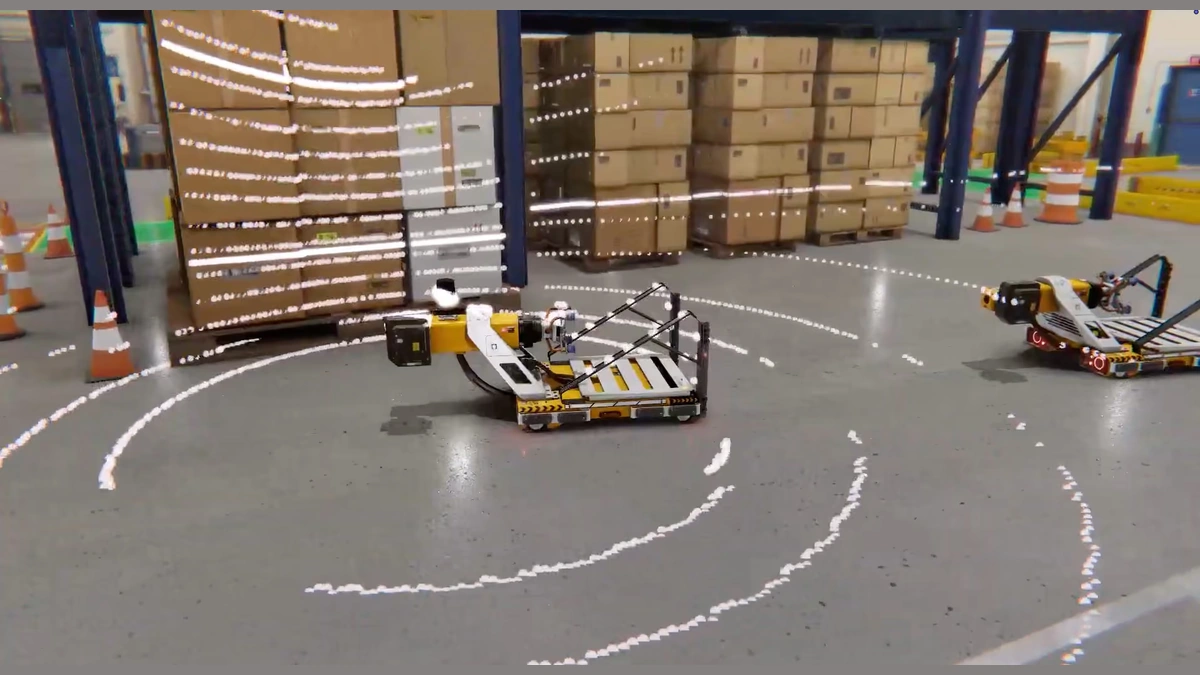
Unity Simulation Pro opened in early access on Tuesday, September 22, marking Unity's push from game and XR engine into dedicated robotics tooling. The new package gives engineering teams one supported way to bring a robot into simulation, test its sensors, and validate its behavior before it ever reaches a lab or factory floor.
Rather than treating robotics as a side use case, Unity Simulation Pro packages up the pieces those teams previously had to assemble themselves: importing a robot's URDF description, modeling LiDAR, camera, and inertial sensors, and talking to ROS 2 controllers. Unity Simulation Pro requires a Unity Industry license and runs on Unity 6.3 or newer; interested teams can register for early access directly with Unity. A headless Linux build option lets the same simulations run at scale on servers once a workflow has been proven out locally, with no monitor attached.
The pitch, per Unity, is standardization: instead of every robotics group reinventing sensor models and physical-description importers on its own, Unity Simulation Pro turns that work into shared, supported infrastructure. "Robotics teams came to Unity because they needed real-time rendering, accurate physics, and sensor simulation they could trust," said Alex Blum, Unity's chief operating officer.
Unity is leaning on three early customers to make its case. TIER IV, an autonomous-driving software developer, built its AWSIM simulator on Unity to put the open-source Autoware stack through realistic testing without burning hours on physical test vehicles. Researchers at the Korea Institute of Industrial Technology turned a point-cloud scan of a metal-casting plant into a Unity-based digital twin and used it to generate more than 100,000 labeled frames of humans working near robots in just 14 weeks, without staging risky close-proximity moments on a live production floor. At Medtronic, engineers built a digital twin of the Hugo robotic-assisted surgery system to log and replay 195 real procedures, turning each one into reusable training data instead of a one-time event.
Sign-ups for the early access program are open now on Unity's site. Unity says it is specifically looking for teams doing robot validation, sensor testing, and large-scale synthetic data generation in manufacturing, logistics, and warehousing, an early signal of where it expects the package to land first.