Intel Foundry reportedly won an order from Google for more than three million Tensor Processing Units, a contract that would represent Intel Foundry’s largest-ever external AI chip win and a meaningful check on TSMC’s dominance in AI semiconductor production, according to HotHardware, citing The Information’s investigation.
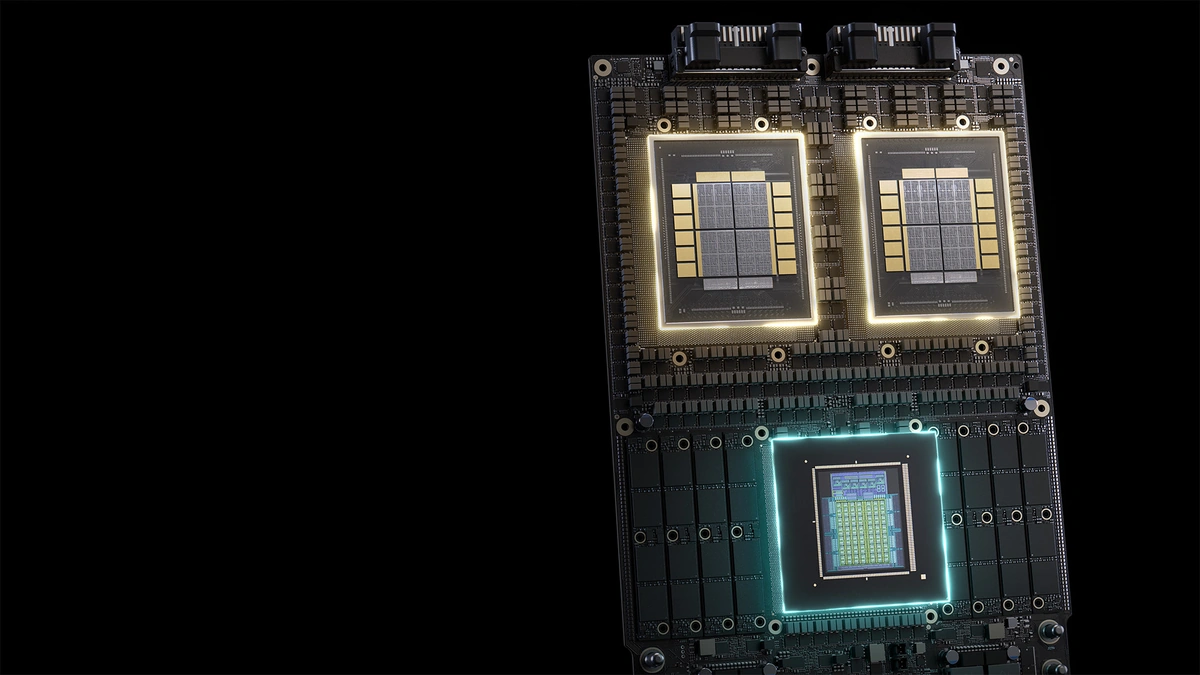
Google selected Intel Foundry after evaluating its advanced packaging capabilities specifically. Advanced packaging integrates multiple chiplets and stacks of high-bandwidth memory into a single physical package and has become one of the most supply-constrained parts of AI chip production. TSMC's CoWoS platform handles the majority of this work for companies including NVIDIA, Apple, and Google. Intel's competing EMIB technology is the direct alternative Google reportedly tested over several months before committing to the order.
The timing matters for Intel Foundry beyond the revenue. The company has spent years trying to establish itself as a credible alternative to TSMC for leading-edge wafer production and advanced packaging, with limited success in attracting major external customers. Recent shipments of its latest Panther Lake processors on the 18A process gave Intel a commercial proof point that its manufacturing roadmap was no longer theoretical. A Google AI chip order at volume would reinforce that signal to other potential customers evaluating whether to diversify away from TSMC.
NVIDIA is also reportedly evaluating Intel Foundry technology for a future GPU architecture, according to the same report. The suggested arrangement has TSMC producing the primary compute die while Intel handles I/O die manufacturing and up to 25% of advanced packaging volume, though neither company has confirmed this. Neither Intel nor Google commented on the reported TPU order at the time of publication. The deal's delivery timeline leaves meaningful execution risk on Intel Foundry's part before the outcome becomes clear.