NASA and the Energy Department have set up a shared framework for building nuclear power and propulsion systems for spacecraft, covering everything from research and fuel production to testing, launch integration and operations.
NASA Administrator Jared Isaacman and Energy Secretary Chris Wright signed the memorandum of understanding on Oct. 8 in Washington, at a science summit run by the White House Office of Science and Technology Policy. The agreement takes effect Nov. 1. According to NASA, the document is titled "Accelerating American Leadership in Space Nuclear Power and Propulsion" and builds on joint work the two agencies already do on fission and radioisotope power systems. Isaacman called the moment the start of a "Nuclear NASA-era," a label the agency is attaching to the whole effort.
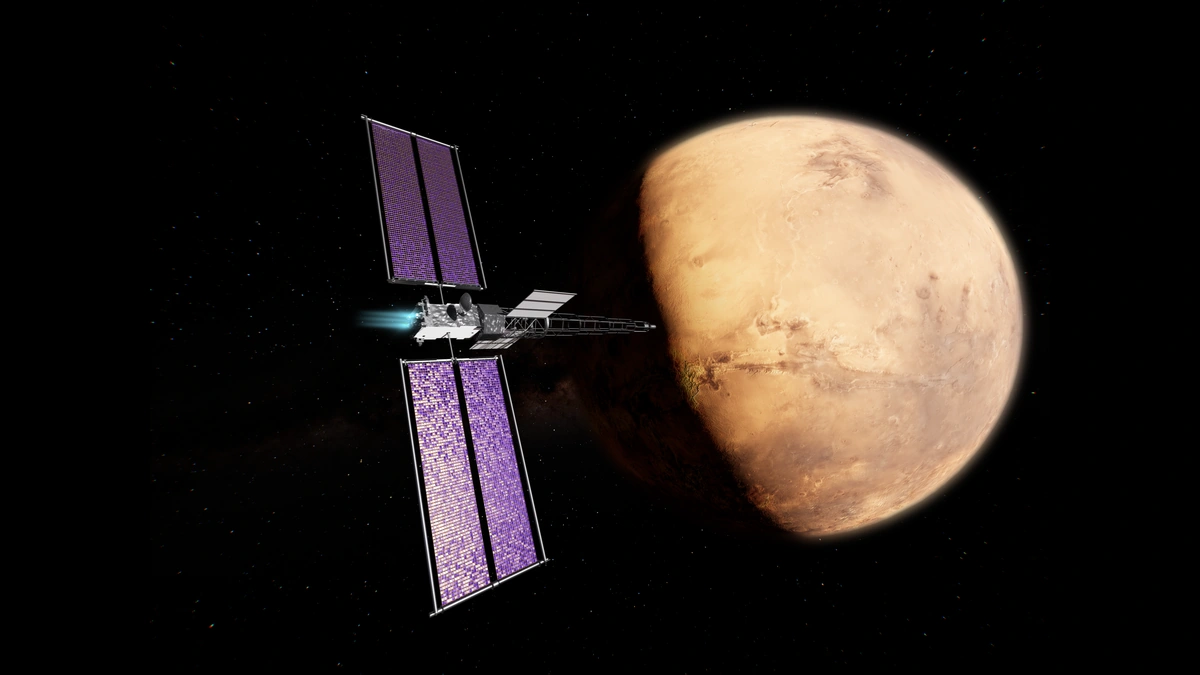
The memorandum itself is a framework, and the concrete targets sit in the programs it supports. Space Reactor-1 Freedom is scheduled for a 2028 launch, which NASA describes as the point where nuclear propulsion leaves the laboratory for operational deep-space use. A companion project, Lunar Reactor-1, is a fission system meant to keep the planned Moon Base powered through the lunar night. The agency ties the lunar reactor to a December 2025 executive order that directs it to develop a launch-ready lunar surface reactor, with a 2030 target, and says the two programs together would anchor a domestic nuclear-space industrial base.
What the release leaves out is money and detail. It names no budget, reactor power rating, fuel type or contractor, so the 2028 and 2030 dates rest on NASA's own schedule.
Radioisotope power continues alongside fission. NASA says the Dragonfly mission to Saturn's moon Titan, also scheduled for a 2028 launch, will use a Multi-Mission Radioisotope Thermoelectric Generator plus 24 Light Weight Radioisotope Heater Units to run and warm its car-sized rotorcraft. NASA and DOE also plan to supply 24 similar heater units to keep instruments from freezing on the European Space Agency's Rosalind Franklin Mars rover, which is searching for signs of past or present life.