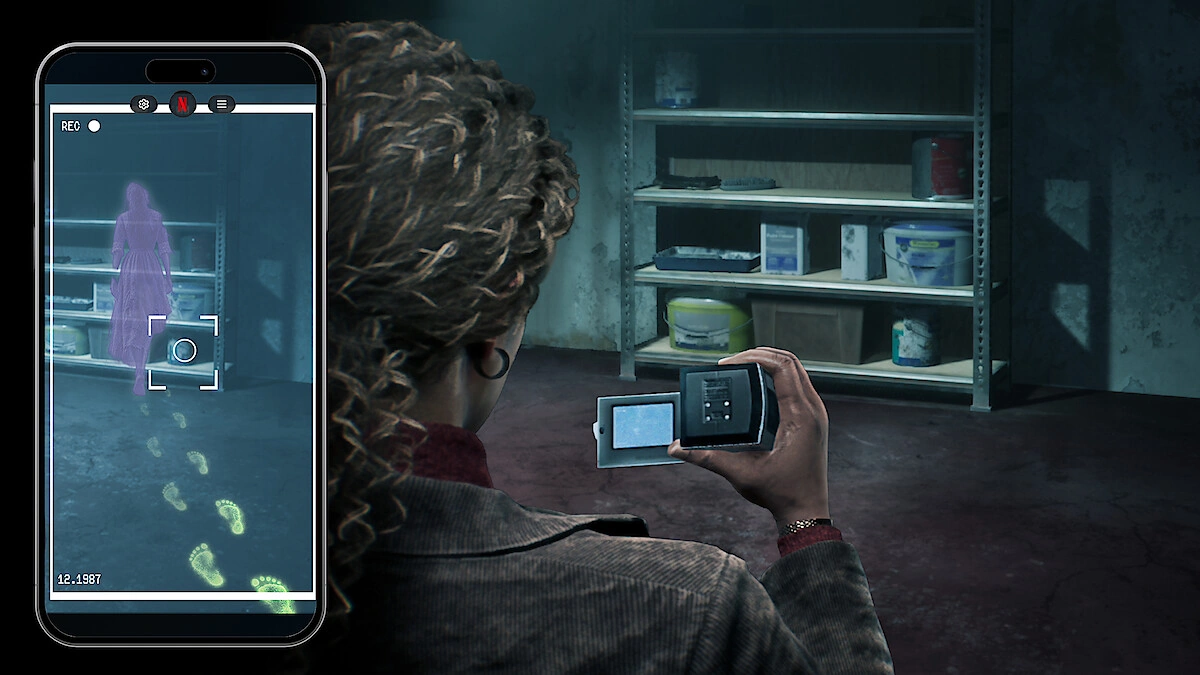
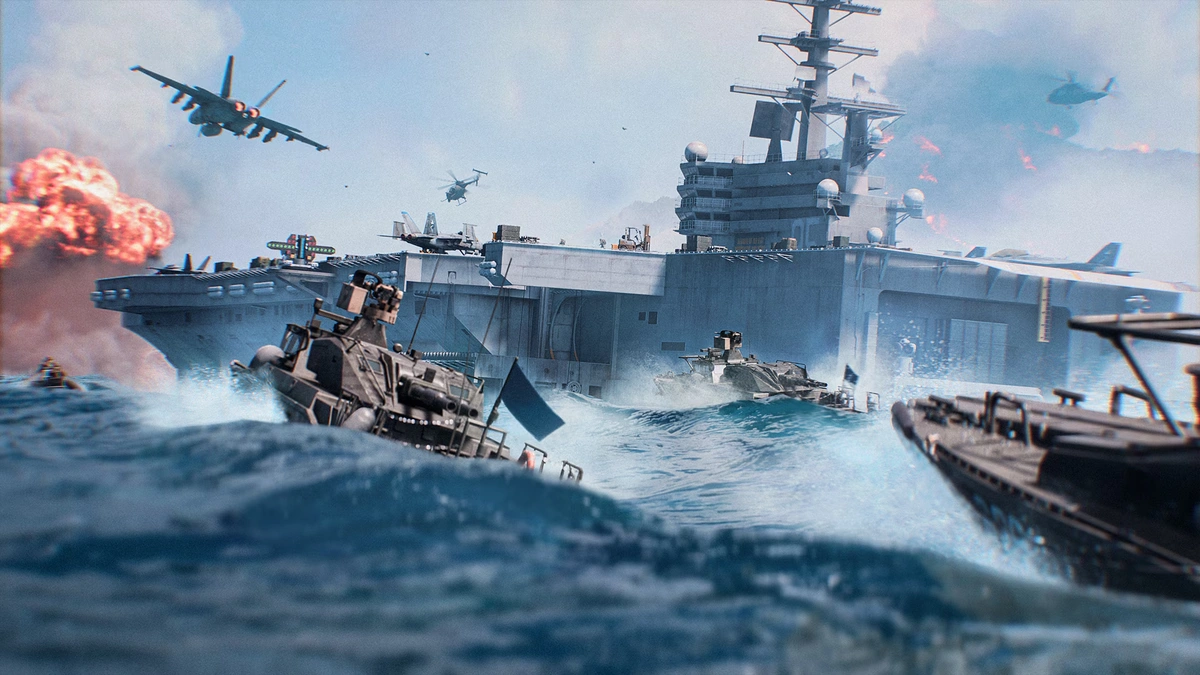
A live-service game is a video game that keeps adding content, events and paid items after launch, funded by seasons, passes and add-ons rather than a single purchase. The model is also called games as a service, and Fortnite, Warframe, Helldivers 2 and Battlefield 6 all run on it. The box price, where there is one, buys entry. What a player spends after that depends on four products with similar names: seasons, battle passes, season passes and expansions. Publishers mix the labels freely, and each one carries different rules about when content arrives, whether it expires and what happens to it when the servers go quiet.
What Is a Live-Service Game?
A live-service game is a game the publisher keeps operating after release: it runs online servers, adds maps, modes, characters and events on a schedule, and earns money along the way through battle passes, virtual currency and add-ons. The game a player starts with keeps changing, and it lasts only as long as the publisher keeps supporting it.
A live-service game runs on a release calendar as much as on code. The studio keeps online servers running, ships new content on a planned cadence and sells items through an in-game store, so the version a player starts with is not the version they are still playing twelve months later. The moving parts show up on a current store page:
- Online servers and accounts. Progression and purchases live on the publisher's side. PlayStation lists PS Plus as required for online play on its Marvel Tōkon: Fighting Souls page and flags a paid console subscription for Helldivers 2.
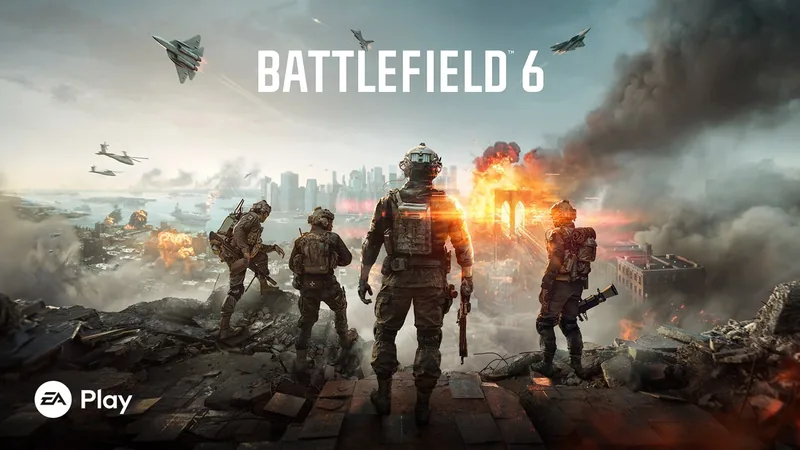
- A content roadmap. EA publishes a season roadmap for Battlefield 6 that previews maps, weapons, events and mid-season drops.
- A virtual currency. Store items are priced in a game-specific currency, such as Super Credits in Helldivers 2, which is bought with real money.
- Paid add-ons. Battle passes, season passes and story expansions sit on top of the base game.
- Free major updates. Large drops that every owner receives, such as the Devoid of Liberty update that PlayStation describes as available to all Helldivers 2 owners on its Helldivers 2 news page.
Extra content alone does not make a game live-service. A premium single-player game can add a story expansion and still be a finished product you own on disc or download. The live-service label fits when the game depends on the publisher's servers and its schedule, and when it keeps selling new items to the people already playing it. A buyer judging a live-service game is really judging the publisher's willingness to keep both the free and the paid layers running.
Live-Service Game Examples
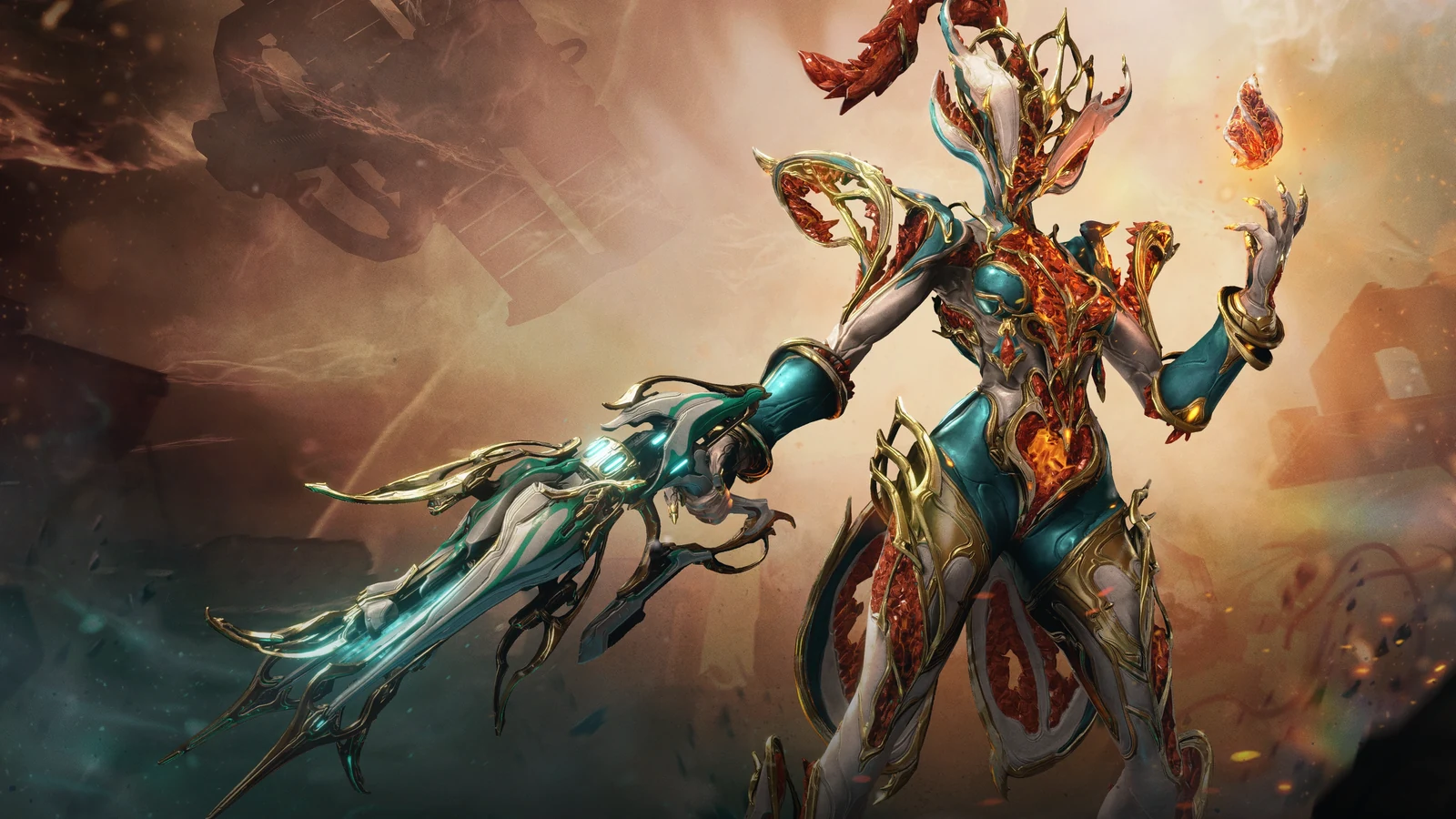
Live-service game examples span free-to-play shooters, co-op shooters, hero shooters and long-running online worlds. Several of the biggest cost nothing to start. The PlayStation Store lists Fortnite from Epic Games as free, sells this season's Battle Pass for 800 V-Bucks and prices an 800 V-Bucks pack at $8.99; the current season, Chapter 7 Season 4: Override, started on August 20, 2026, per the same page. NetEase's Marvel Rivals is also free on PS5, and its store page says each seasonal drop introduces new Super Heroes and maps. Digital Extremes calls Warframe a free-to-play online action game with an ever-expanding universe, and the store sells its Platinum currency in packs from $4.99.
| Game | Publisher | How new content arrives | What players buy |
|---|---|---|---|
| Fortnite | Epic Games | Numbered seasons | Battle Pass, V-Bucks |
| Marvel Rivals | NetEase | Seasonal drops with new heroes and maps | In-game items |
| Warframe | Digital Extremes | Updates to an ever-expanding universe | Platinum, bundles |
| Helldivers 2 | Sony Interactive Entertainment | Warbonds and free major updates | Premium Warbond, Super Credits |
| Battlefield 6 | EA | Seasons with a content roadmap | Battle pass, Battlefield Pro |
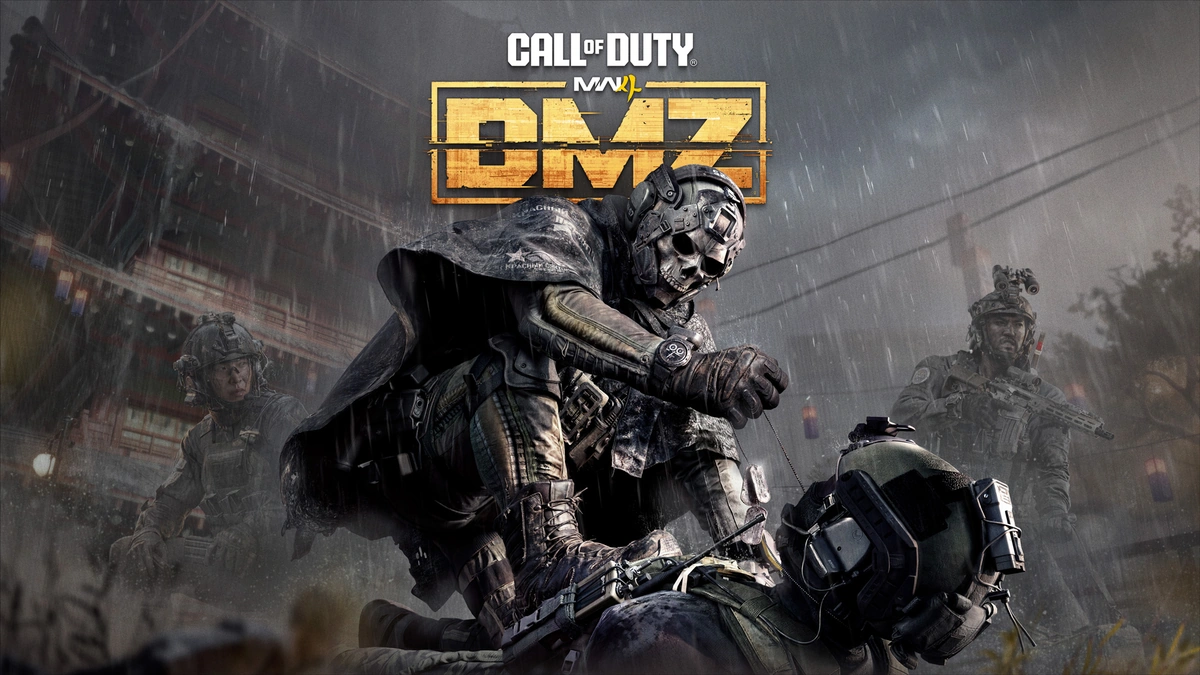
| Call of Duty: Black Ops 7 | Activision | Seasons shared with Warzone | Battle pass, BlackCell |
| Destiny 2 | Bungie | Expansions and major updates, until a final live-service update in June 2026 | Expansions, Rewards Pass |
Free entry is not the same as a free game. PlayStation lists Destiny 2 as free to play on PS5 and PS4, yet its Rewards Pass is bought in-game with Silver, a virtual currency the store sells in packs, and its Renegades and The Edge of Fate expansions are sold as add-ons. The sections below take each of those products in turn.
Seasons and Content Roadmaps
A season is the block of time a live-service game uses to package new content: a dated window with its own maps, modes, events and rewards, announced ahead of time on a content roadmap. Activision's Season 01 for Call of Duty: Black Ops 7 and Warzone went live on December 4, 2025, with new multiplayer maps, the Astra Malorum Zombies map, the Haven's Hollow Resurgence map and an in-season CODMAS event, according to its PlayStation Blog season overview.
EA runs the same machine with different branding. Its Battlefield 6 Season 4 page pairs a Deep Six Collection Event with a Top Gun crossover and the return of Wake Island, and links a roadmap covering mid-season content. Read side by side, the two pages point to a similar cycle:
- Roadmap. The publisher previews the season's maps, modes and events.
- Launch day. New maps and modes arrive alongside a new battle pass.
- In-season events. Limited events such as CODMAS or Deep Six add challenges and themed rewards.
- Mid-season update. A second content drop keeps the season from going stale.
- Rollover. The next season starts the cycle again with fresh rewards.
A roadmap is a plan, and publishers say so. The fine print on EA's page states that its announcements may change as the studio listens to community feedback and keeps developing the game. Treat seasonal content as likely, not contracted.
How Battle Passes Work
A battle pass is the live-service game's progression product: a player pays once for a season's premium track, then unlocks its tiers by playing. Valve's Steamworks documentation on season passes gives a precise definition. In a battle pass setup, the content is added at the start of a predefined season and holders unlock it through gameplay milestones such as winning a set number of matches. Valve also notes that the terms battle pass and season pass are often used interchangeably and that definitions vary from game to game.
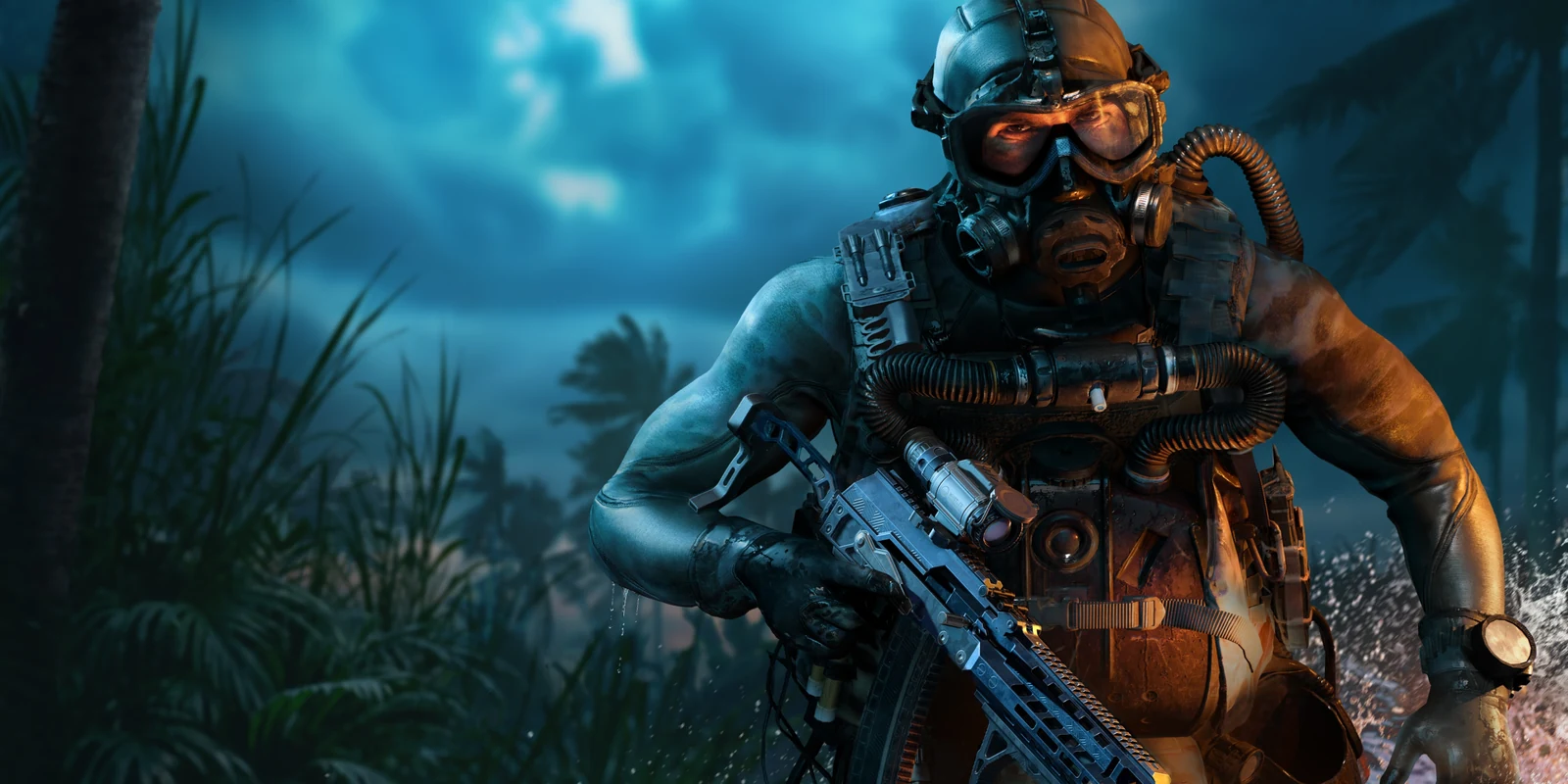
Publishers stack extra value at the front to make the purchase feel immediate. Activision says buying the Season 01 Battle Pass for Black Ops 7 instantly unlocks a 10% Battle Pass XP Boost and the Dorne Operator and opens access to over 110 pieces of unlockable content, with the Maddox RFB assault rifle and the Kogot-7 SMG on the track, per the same PlayStation Blog post. It also points players to BlackCell for more. EA lists 100+ tiers and five instant rewards for the Battlefield 6 Season 4 Battle Pass, alongside a Battlefield Pro option.
Helldivers 2 shows the main alternative. Its Warbonds unlock items through game progression, and PlayStation says each Warbond is not time-limited, so a player can finish it whenever they like. A Premium Warbond costs 1000 Super Credits, and the PlayStation Store sells 1000 Super Credits for $9.99, according to the Helldivers 2 Warbonds page. The Castellan's Creed Legendary Warbond, a Warhammer 40,000 crossover, costs 1500 Super Credits on the same page. Before buying any pass, check four things:
- Tracks. Is there a free track, a premium track and a higher tier such as Battlefield Pro or BlackCell?
- Instant rewards. Which items unlock on purchase and which must be earned?
- Time limit. Does the pass end with the season, or does it stay open like a Warbond?
- Currency math. How many real dollars does the pass cost once currency packs are counted?
Weigh the time limit most. A pass with no deadline can be finished at any pace, while a pass that closes with its season is worth less the later in the season you buy it, so check how many weeks are left before paying.
DLC, Season Passes and Expansions
Downloadable content (DLC) is the older layer of a live-service game's catalog: discrete add-ons bought once, from a single character to a full story expansion. A season pass bundles several of those add-ons, including some not yet released, into one upfront purchase. Valve sets the clearest consumer rules for that bundle in the Steamworks season pass guidelines:
- The store page must list every DLC in the pass, with a basic description of each.
- Each DLC needs an expected release window, at least to the quarter or season and year.
- At least one DLC must already be out when the pass goes on sale, except inside a pre-purchased deluxe edition.
- A developer may push a promised release back once by up to three months without asking Valve.
- If a DLC in the pass is canceled, buyers are offered a refund for the value of the unreleased content.
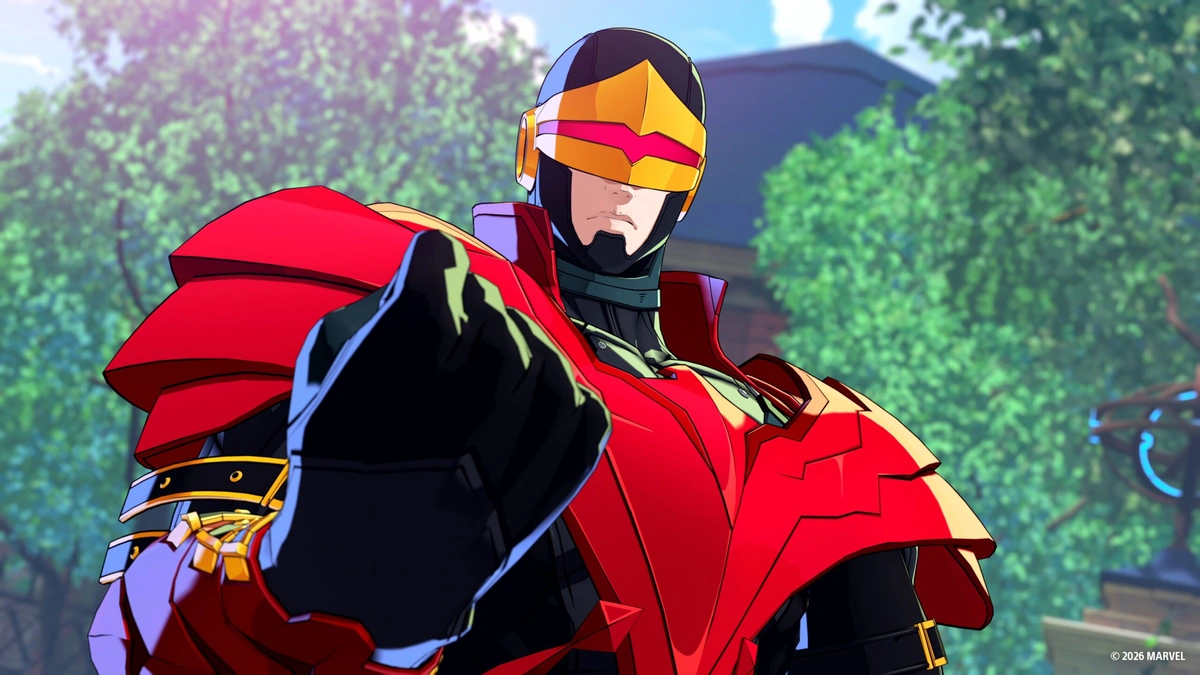
Marvel Tōkon: Fighting Souls uses the season pass model for new characters. The PlayStation Store lists its Year 1 Character and Stage Pass as a season pass at $34.99, against $59.99 for the standard game, and says it covers four characters and one stage after launch, per the Marvel Tōkon store listing. The page names Phoenix Cyclops as a Year 1 DLC character.
A story expansion is the largest single add-on. Echoes of Sekigahara, a new story expansion for Ghost of Yōtei, and the Most Wanted survival mode arrived through patch v2.0 on October 1, 2026, inside the Ghost of Yōtei Complete Edition at $69.99 or the $14.99 Complete Edition Upgrade for owners of the base game, according to the Ghost of Yōtei page. The same page lists the Legends co-op mode as a free major update for every owner, so one game carries paid and free content side by side.
| Product | How it is sold | How content unlocks | Example |
|---|---|---|---|
| Battle pass | Per season | By playing through tiers | Battlefield 6 Season 4 Battle Pass |
| Evergreen pass | Once, in virtual currency | By playing, with no deadline | Helldivers 2 Premium Warbond |
| Season pass | Once, upfront for future DLC | On the publisher's release dates | Marvel Tōkon Year 1 pass |
| Story expansion | Once, as an edition or upgrade | On release, as new campaign content | Echoes of Sekigahara |
| Free major update | Included for all owners | On release | Ghost of Yōtei Legends |
Virtual Currency and Consumer Rules
Virtual currency is the layer of a live-service game that EU consumer authorities have singled out, because it puts a step between the price tag and the player's money. In the EU, the Consumer Protection Cooperation (CPC) Network of national enforcers, coordinated by the European Commission and led on this file by the Netherlands Authority for Consumers and Markets and the Norwegian Consumer Authority, adopted key principles on in-game virtual currencies. The Commission's enforcement page sums them up:
- Clear, transparent pricing and pre-contractual information.
- No practices that hide the real cost of in-game content or force players to buy virtual currency.
- Respect for the consumer's right of withdrawal.
- Extra care for vulnerable consumers, in particular children.
Enforcement has followed. The same Commission page lists coordinated actions against nine companies, including Mojang, Riot Games, Supercell, King and Ubisoft, over games such as Minecraft, Valorant, Clash of Clans, Candy Crush Saga and For Honor. A separate action launched in early 2026 targets Microsoft and Activision Blizzard over Call of Duty Mobile and Diablo Immortal. A CPC joint statement dated 30 September 2026 names the practices behind the concern: certain uses of virtual currencies and loot boxes, misleading countdown timers and unfounded scarcity claims.
For a buyer, the practical test is whether the store shows a real-money price next to every pack. The Helldivers 2 page on PlayStation does, listing each Super Credits bundle in dollars, which is the kind of real-money pricing the EU principles ask for.
When a Live-Service Game Winds Down
Every live-service game depends on a publisher deciding to keep paying for it. Bungie said in May 2026 that it was delivering the final live-service update for Destiny 2, and that update, Monument of Triumph, went live on June 9, 2026, per its May announcement and its Monument of Triumph launch post. Only a year earlier, Bungie's Year of Prophecy plan had promised two paid expansions and two free major updates a year, starting with The Edge of Fate and Renegades. Roadmaps describe intent; they do not bind the studio.
A full shutdown goes further. On July 3, 2025, EA and BioWare announced that they would sunset Anthem on January 12, 2026, and stopped selling its in-game premium currency the same day, while letting players spend their remaining balance until the servers went offline, according to the Anthem game update. EA's FAQ on that page says Anthem was designed as an online-only title, so once the servers went offline it could no longer be played at all. Anyone who had bought the game could still download it from a digital library and play until that date.
The end-of-life question reached the EU as a formal petition. The European Citizens' Initiative Stop Destroying Videogames was submitted on 26 January 2026 with 1,294,188 verified statements of support, according to the initiative's official page. The European Commission replied on 16 June 2026 that it cannot, at this stage, propose a legal obligation to keep games playable after commercial support ends, partly because of existing intellectual property rights, per its press release on the initiative. What it pointed to instead, across that press release and the initiative page:
- An exchange with industry and consumer groups, starting by the end of 2026, toward a code of conduct on managing a game's end of life.
- A duty on providers to state the contract's duration and termination conditions before a consumer signs up.
- Remedies under the Directive on digital content and digital services when content does not conform with the contract, which may include a proportionate refund.
- A Commission report on how that directive is applied, due before the end of 2026.
Shutdown risk is the cost no store page lists. A battle pass in a server-only game is worth something only as long as the servers run.
Pros and Cons of Live-Service Games
Live-service games divide players because the same model that keeps a game growing also keeps asking for time and money. The trade-offs, each visible on the pages cited above:
| For players | Upside | Downside |
|---|---|---|
| Entry price | Fortnite, Marvel Rivals and Warframe are free to start | Passes, currency packs and expansions add up |
| Content | Seasons, events and free major updates keep arriving | Roadmaps can change, as EA's own fine print says |
| Rewards | Battle pass tiers reward regular play | A pass tied to a season can close before a casual player finishes it |
| Pricing | Stores list currency packs in dollars | EU enforcers flag countdown timers and scarcity claims |
| Lifespan | A supported game can run for years of expansions and updates, as Destiny 2 did | An online-only game like Anthem stops working at shutdown |
Read the table as a checklist rather than a verdict. A player who logs in every week with a regular group gets the most from the upside column; a player who drops in once a month mostly meets the downside column.
Live-Service Games Against Premium and Subscription Models
Live-service games sit between two older ways of paying for games. A premium release is bought once and finished, though even that model now carries expansions, as Ghost of Yōtei shows. A subscription rents a library instead: Microsoft cut Xbox Game Pass Ultimate from $29.99 to $22.99 a month on April 21, 2026, and said future Call of Duty titles will join Game Pass about a year after launch instead of on day one, according to Xbox Wire. The breakdown of free-to-play, premium and subscription monetization covers the studio side of those choices.
A player can end up paying for all three at once: a console membership for online play, a subscription library and a pass in their main game. Cloud services add a fourth route into the same catalogs, and the cloud gaming platforms comparison covers where those fit. Before committing to a live-service game, run through these questions:
- Hours per week. A seasonal pass pays off mainly for players who log in regularly until the season ends.
- Group play. Squad-based live-service games are easier to enjoy with a regular group than as an occasional solo session.
- Deadlines. Prefer passes and currencies that do not expire, such as evergreen Warbonds.
- Memberships. Add PS Plus or Game Pass to the real cost if the game needs it for online play.
- End-of-life risk. Weigh how much of the game still works if the servers close.
Ownership is the open question running through all of it. Digital items in a live-service game sit on an account the publisher runs, which is the same tension the blockchain gaming versus traditional gaming analysis examines from the asset side. Developers choosing where to sell their own add-ons can start with the indie game publishing platforms comparison, which weighs Steam against other storefronts.
Further reading
Frequently Asked Questions
What is a live-service game?
A live-service game is a game the publisher keeps running and updating after launch, paid for by battle passes, virtual currency and add-ons instead of a single purchase. Fortnite, Warframe and Helldivers 2 work this way. It keeps changing for as long as the publisher supports it, and an online-only one stops working when the servers close.
Is Destiny 2 a live service game?
It was run as one for years, with paid expansions and free major updates. Bungie said in May 2026 that it was delivering the final live-service update for Destiny 2, and that update, Monument of Triumph, went live on June 9, 2026. PlayStation still lists Destiny 2 as free to play on PS5 and PS4.
Is Fortnite a live service game?
Yes. Fortnite is free to download on the PlayStation Store and adds content in numbered seasons, each with its own Battle Pass. Chapter 7 Season 4: Override started on August 20, 2026, and the store lists its Battle Pass at 800 V-Bucks, with an 800 V-Bucks pack priced at $8.99.
Do battle pass rewards expire when a season ends?
It depends on the game, so read the pass terms before paying. PlayStation says each Helldivers 2 Warbond is not time-limited and can be finished at any pace once bought. Battlefield 6 (Season 4) and Call of Duty: Black Ops 7 (Season 01) each sell a battle pass tied to a numbered season, so check the end date and the number of tiers left before buying late in a season.
Is a season pass the same as a battle pass?
No, a season pass buys a set list of add-ons released on the publisher's schedule, while a battle pass unlocks rewards as you play. Valve's Steamworks documentation draws exactly that line and adds that games often swap the two names. Read the list of what is included rather than the label on the store tile.
What happens to my purchases if a live-service game shuts down?
In an online-only game, they stop working with the servers. When EA announced in July 2025 that Anthem would sunset on January 12, 2026, it stopped selling premium currency that day and let players spend what was left until the servers went offline. In the EU, providers must state the contract's duration and termination conditions upfront, and the Directive on digital content and digital services can entitle buyers to a proportionate refund when content does not conform with the contract.