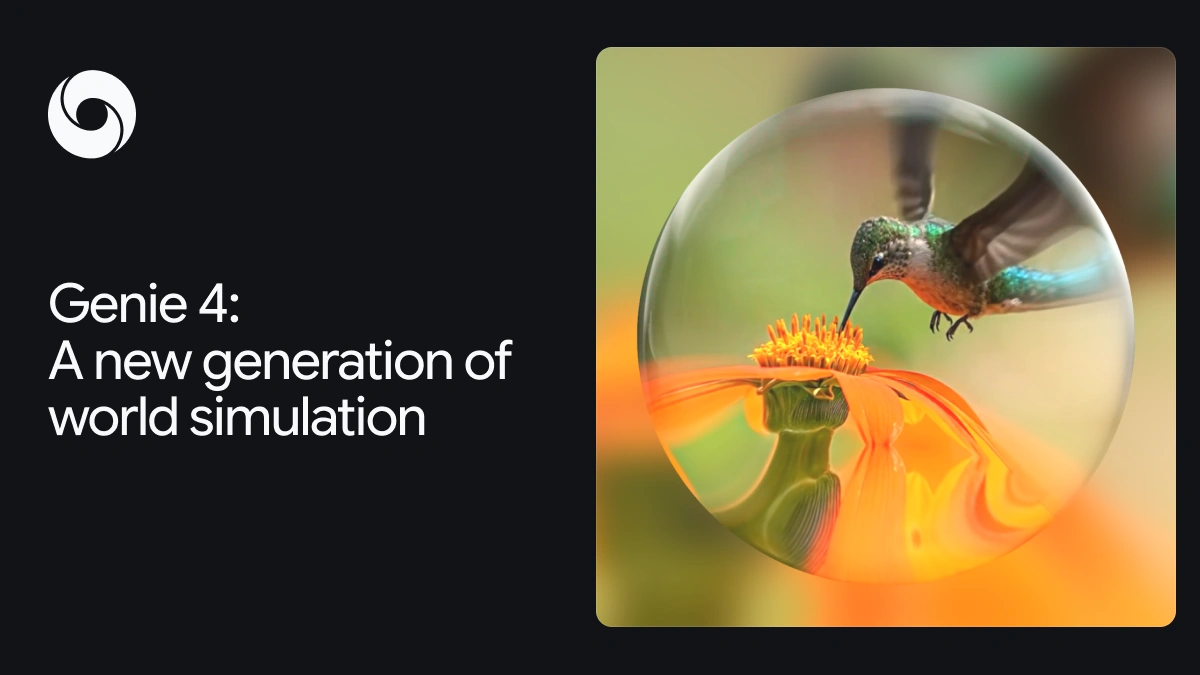
Google DeepMind announced Genie 4, a world model that generates ambient sound, music and speech together with the interactive scene they belong to.
Genie 4 is natively multimodal, and Google DeepMind calls it its first real-time world model to produce audio itself. Wind in the trees and crashing waves come from the same model that draws the frame. Characters talk and react to what a user does in the scene. Navigation uses standard keyboard controls, while text prompts change the world as it plays: switch the weather, move the camera, drop in a new person or object. Gemini adapts each prompt to the scene already on screen.

Behind the scenes, Gemini maps the structure and plans the narrative timeline. Gemini Omni anchors the simulation in real-world appearance and behavior, and other Gemini models help keep it coherent. To simulate multi-step events, Gemini 3.8 Flash runs inside the loop: it watches incoming frames, splits a goal into steps, checks that each step worked and changes the plan when a user steps in. A second demo pairs Gemini 4 Argon with the world model to simulate Apptronik's Apollo humanoid playing checkers.
Its predecessor, Genie 3, generated worlds from a text prompt at 24 frames per second and 720p, and stayed consistent for a few minutes. The new model adds sound, characters that speak and move more naturally, and the Gemini planning layer. Per DeepMind, people are the biggest gain in realism, and the model also simulates physics such as aerodynamics and collisions. DeepMind publishes no frame rate or resolution for it and says it supports a few minutes of continuous interaction. Visual details and object permanence can drift in longer runs or after several complex prompt edits, and legible text often appears only when the prompt supplies it.
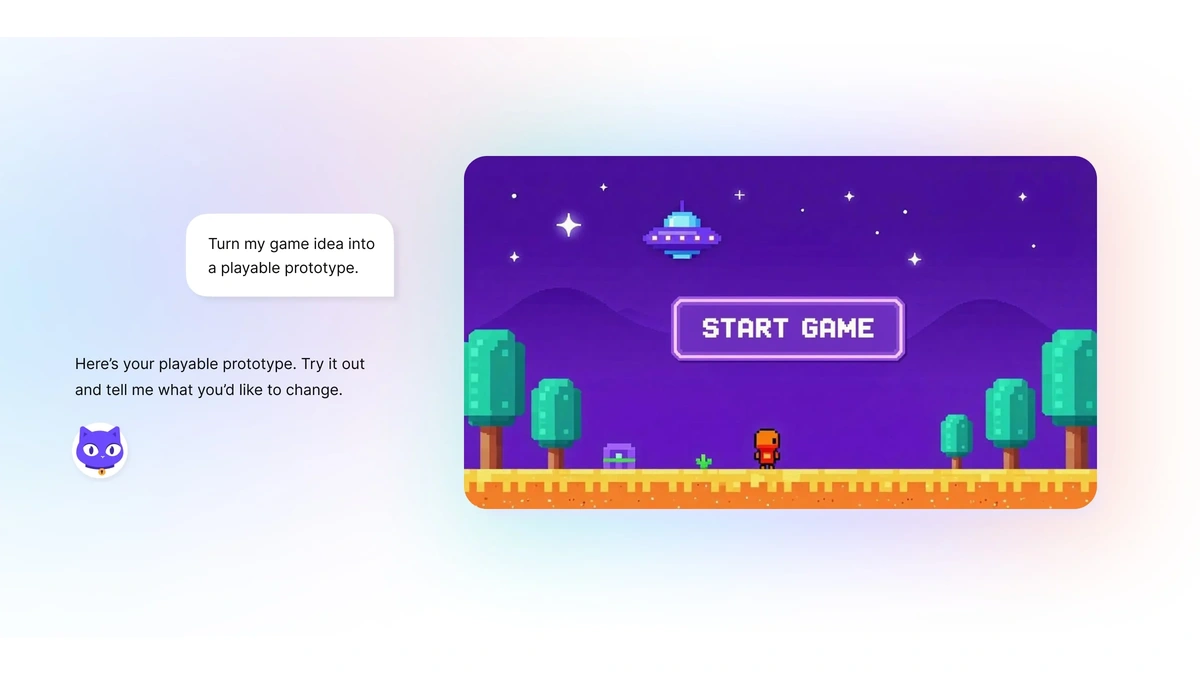
Trusted testers have been trying the model across creative work, journalism, education, gaming and engineering. Filmmakers run several takes of a scene while changing camera angle, lighting and dialog. Photojournalists are exploring how a single archival photo can become a walkable environment. Game developers are testing it to go from an idea to an explorable prototype before writing engine code, and enterprise partners are evaluating it for fast scenario generation.
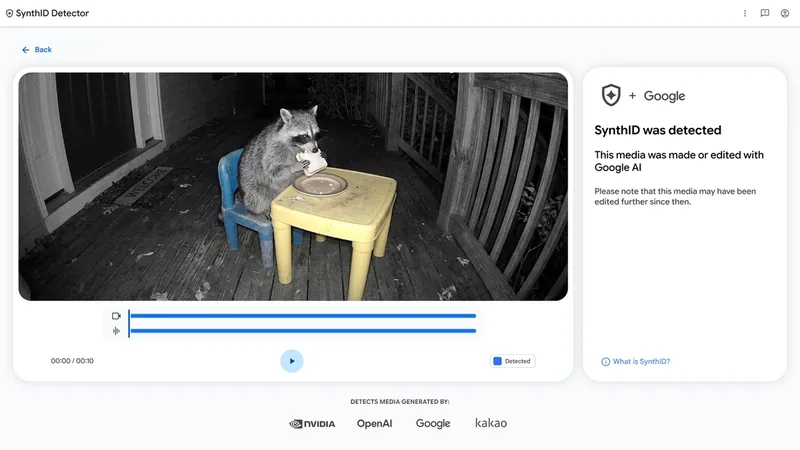
Genie 4 is a research preview for those testers today. Google AI Ultra subscribers in Project Genie come next, along with early access partners of the Gemini API and Google AI Studio, and a Project Genie waitlist is open. Google gave no date or price for that wider release. All video and audio the model generates carries a SynthID watermark.