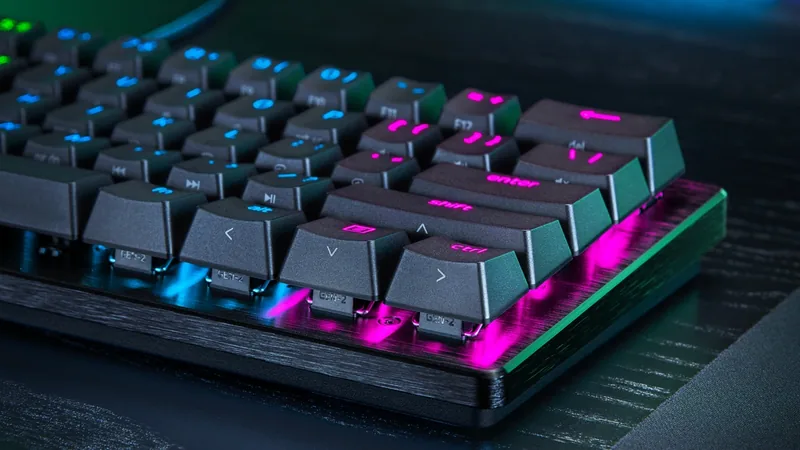
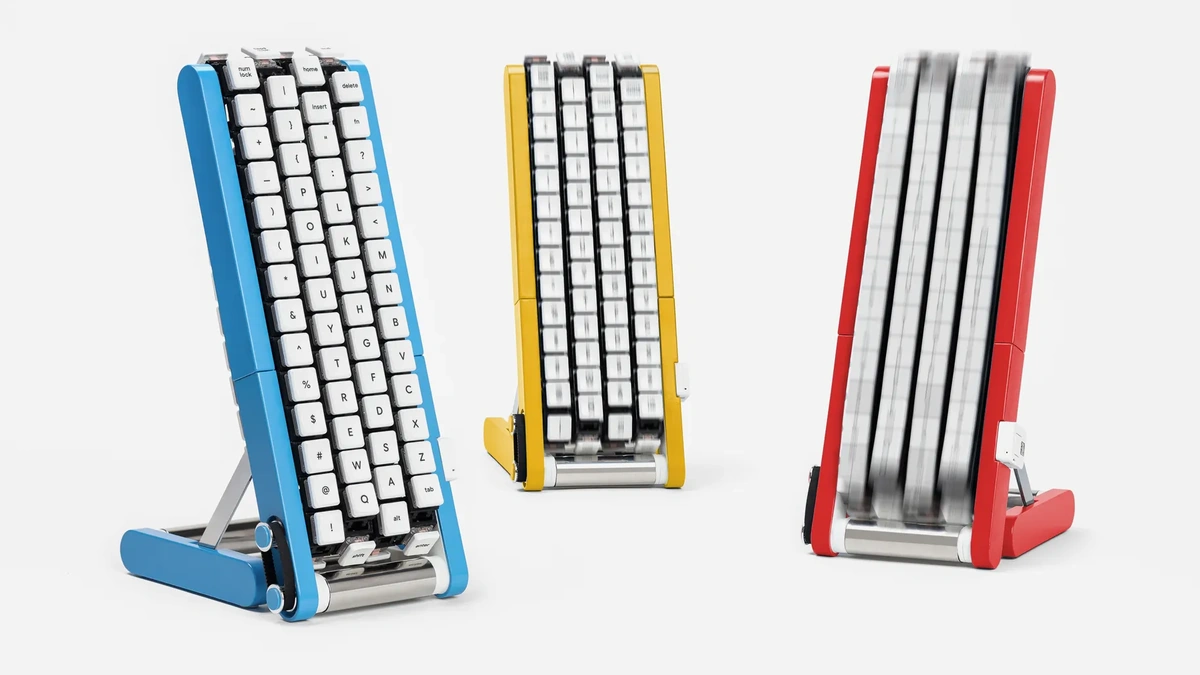
Gboard Conveyor Belt Version moves the keys to the typist instead of the typist to the keys. Its letters ride on rotating belts, which Google Japan says lets a single stationary hand reach every character, and the company has published the design for anyone who wants to build one.
This is the 15th keyboard proposal from the Gboard team, which also develops Google's keyboard app for phones and tablets. Each belt carries 29 keys, and capital and lowercase letters can be typed directly, Google Japan says. The team picked October 1 for the release as a nod to the 101-key keyboard, and it has no plans to sell the Gboard Conveyor Belt Version.
The reasoning starts from a plain complaint. A standard keyboard assumes two hands, so typing with one hand or one finger means sweeping the arm and palm across the board. Gboard Conveyor Belt Version keeps the hand still instead: keys flow past on the belts, and the typist strikes each one as it arrives. The trade-off is timing, since the effort moves from the arm to the rhythm of the belts. The team adds that the free hand can hold a cup of tea or work a mouse, and that a second unit could allow two-handed typing and perhaps higher productivity.
The Gboard Conveyor Belt Version files are concrete. Google's GitHub repository for the project holds KiCad schematics and PCB layouts, firmware source code and 3D-printable STL files for the case and the moving mechanisms, plus build guides in English and Japanese. Its README states that the keyboard is not an official Google product.
Google Japan also says it is considering color variants, a high-speed mode, a longer version for more character types and a shorter one for portable use. Much of the Japanese text leans on wordplay, so those plans read more like gags than a roadmap.