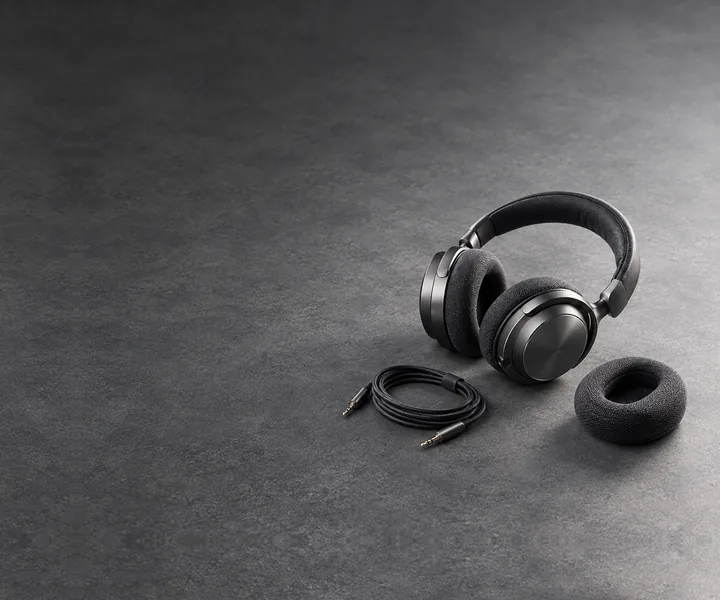
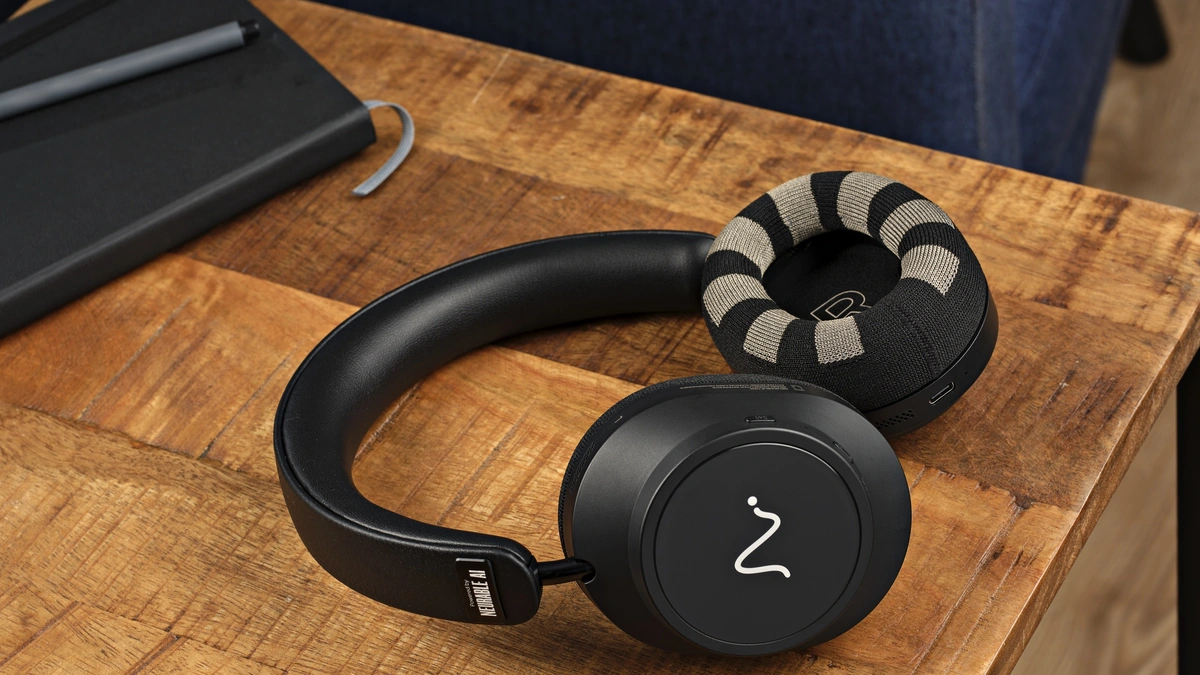
Neurable One hides 12 EEG sensors in the ear cushions of a pair of noise-canceling headphones, and orders are open at $499.
Neurable says shipping is on schedule to begin in the U.S. in November. Neurable One is also the first product the company has designed, built and is shipping on its own, after earlier devices made with partners. CEO and co-founder Ramses Alcaide argues that owning the hardware gives Neurable better control of the sensors, and with it better readings, plus room to keep improving the AI inside the headphones.
The sensors double as styling. Neurable says they are woven into the pads, where they read as a two-tone sand and black cushion pattern, so the headphones do not look like lab gear. The company, a 2015 spin-out of the University of Michigan's Direct Brain Interface Lab, cites more than 80 patents and seven peer-reviewed papers behind its signal processing and says the U.S. Army and U.S. Air Force have validated the work.
As ordinary headphones, Neurable One lists 40 mm beryllium drivers, six microphones, and active noise canceling with an ambient mode for in-person meetings. Neurable adds that the app can stay closed for plain music listening.
Brain tracking has a visible cost in battery life. Neurable rates the battery at 22 hours of audio, falling to 12 with EEG running, so continuous sensing trims playback by nearly half. USB-C charging softens the blow, with 15 minutes adding two hours of listening by the company's count.


Neurable describes the Neurable One app as working on three timescales. During a work session it shows a live focus reading, shifts the audio when attention drifts and suggests a break when the signal points to fatigue. A one-minute, eyes-closed check-in is meant to bracket a change in routine, and weekly and monthly reports track longer trends. The company lists eight brain metrics in the app, two of them new: Brain Battery, which shows how much reserve is left, and Alpha Peak Frequency, a resting rhythm Alcaide likens to heart-rate variability for the brain.
Neurable draws firm limits around what the sensors do. EEG measures surface electrical activity, the company says, and does not read thoughts, words, images or mood; the app instead compares patterns linked to attention, fatigue and effort against a wearer's own earlier readings. Neurable calls the headphones a consumer wellness product rather than a medical device, and says it neither sells brain data nor uses it for advertising.
Those comparisons take time to build. Brain Age and Alpha Peak Frequency need about a month of data to settle, per Neurable, so the payoff it describes comes from weeks of daily wear rather than a first session. At $499, a buyer pays for the hardware first and gets the record afterward.