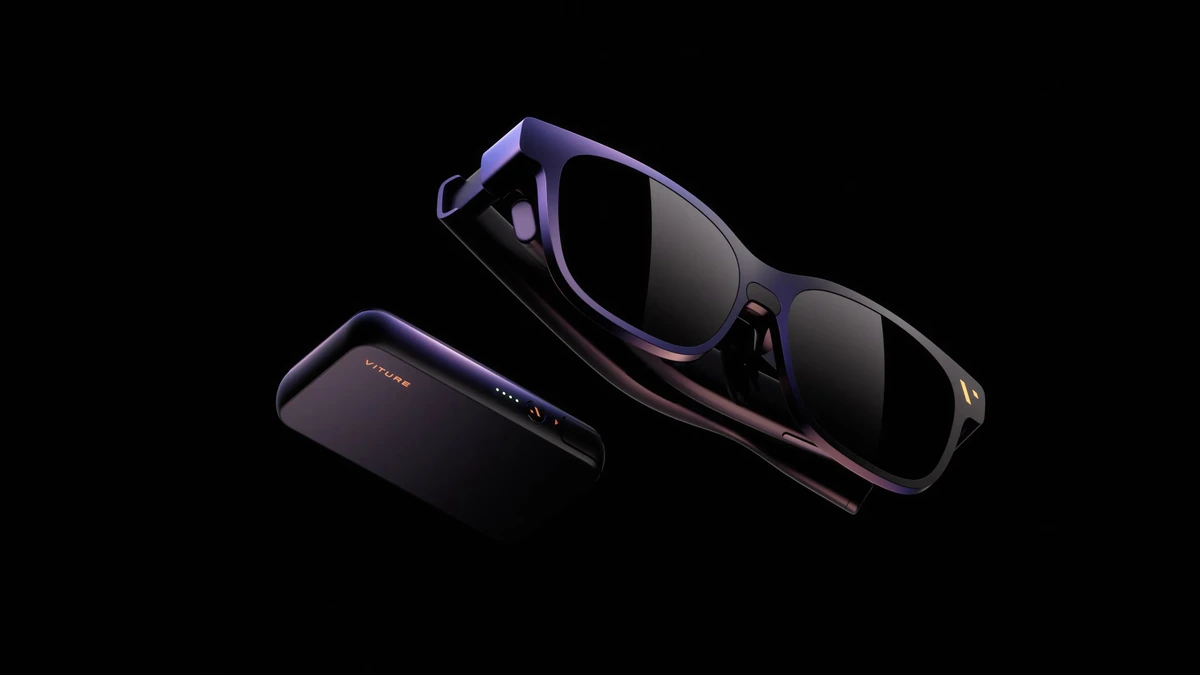
VITURE released the Pro 2 XR glasses at $299, the flagship of a fifth-anniversary product refresh built around a four-part optical rework the company calls UltraClarity 3.0.
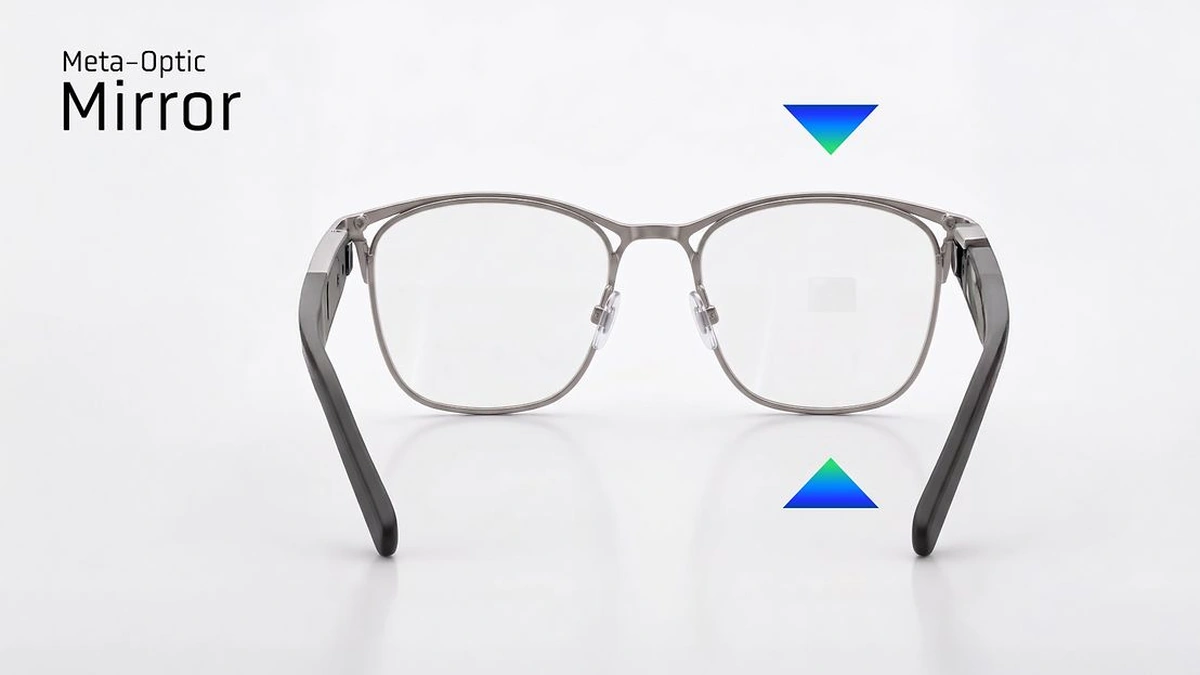
VITURE frames the update as a departure from headline specs like resolution and brightness. Detailing the engineering in a technical breakdown, the company says its optics team spent five years targeting four attributes that rarely show up on a comparison chart: field curvature (how consistently the image holds focus from center to edge), isotropic RMS (a spot-size metric that keeps horizontal and vertical resolution equally sharp, addressing the astigmatic blur that the industry-standard MTF measurement can miss), full-range distortion correction across the entire diopter sweep, and pupil-offset stability so image quality doesn't soften as the eye tracks away from center.
Those adjustments sit behind a Sony Micro-OLED panel with a 50-degree field of view and 1,600 nits of peak brightness, which VITURE says preserves contrast in brighter rooms instead of forcing users to dim the lights. Per VITURE's Pro 2 listing, the $299 glasses weigh 63 grams, 20 percent lighter and 16 percent thinner than the original Pro, swap clip-on prescription lenses for a diopter dial built into the frame and adjustable from 0 to -5.0D, and carry an SGS eye-care certification covering low blue light and flicker-free output.
The anniversary lineup also adds a $99 Mobile Dock Mini, a credit-card-thin magnetic charging accessory built for Nintendo Switch 2 alongside phones and the dock itself. VITURE pitches the redesigned optics as a difference that shows up hours into a session rather than in a five-minute demo, the kind of wear-comfort claim that is hard to verify without extended hands-on testing.