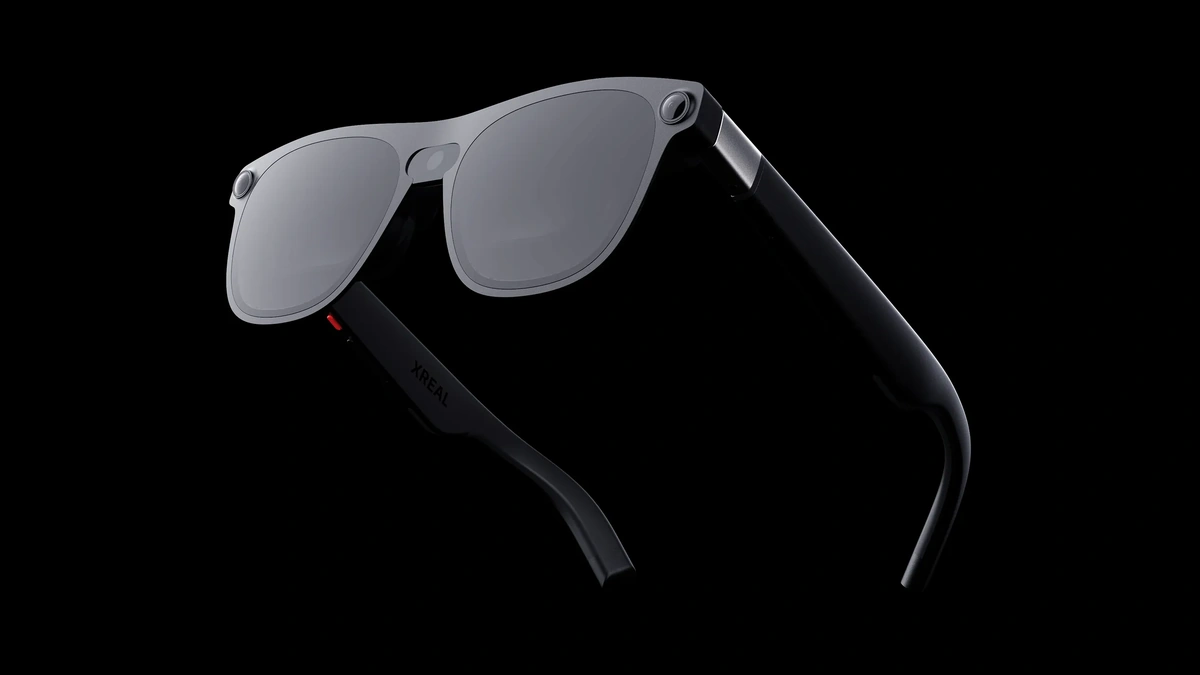
Xreal Aura, the tethered Android XR glasses first shown as Project Aura at Google I/O in May, now has a price. Xreal lists a base model with 12GB of memory and 256GB of storage at $1,279, and a 16GB, 512GB version at $1,499.
Both numbers land under the ceiling the company set earlier. The same page's FAQ still says the base model's final retail price "will not exceed US$1,500" and that final pricing would come closer to launch. The $220 gap between the two Xreal Aura configurations buys 4GB more memory and 256GB more storage, and the page lists no other difference between them.
Buying Xreal Aura is not open to everyone yet. Xreal directs people who already hold a Launch Credit, a Priority Deposit or a Founder Priority Pass to unlock their purchase, starting in the US, Canada, Japan and South Korea, with more regions promised without dates. A US$99 Launch Credit reservation counts as US$199 toward the final price, and Xreal caps the Founder Priority Pass at 2,000 reservations worldwide. The FAQ calls the arrangement a reservation rather than a pre-order, and gives only a launch season, not a shipping date.
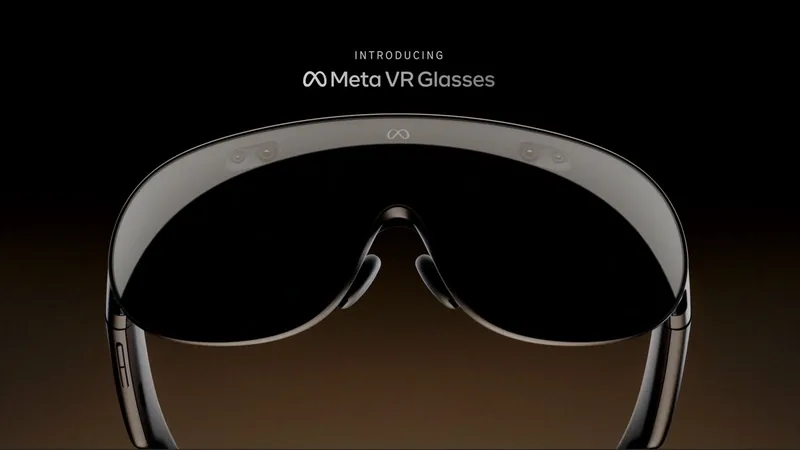
The hardware in Xreal Aura is split in two. The glasses weigh 95 grams and use Sony micro-OLED panels at 1920 by 1200 pixels per eye, with a 70-degree see-through view and five levels of electrochromic dimming, according to Xreal's spec list. A separate puck carries the computing: a Snapdragon Reality Elite platform running Android XR, a 4,455 mAh battery and, per Xreal, 48 TOPS of AI processing, while an X1S coprocessor in the glasses handles low-latency display work. The puck also holds the fingerprint button, and the glasses can take a DisplayPort feed from a PC or handheld console to act as an external monitor.
Xreal frames Xreal Aura as "spatial computing eyewear" rather than a headset, and the software side leans on Google. Gemini is built in, Google Play supplies the app catalog, and Xreal counts more than 150 apps made specifically for XR. For a buyer, that means the $1,279 covers a pocketable computer plus a display that keeps the room visible, a different proposition from the plain display glasses Xreal says Aura is not. Wearers who need vision correction are covered by insertable prescription lenses, and two sizes cover interpupillary distances from 60 to 72 mm.