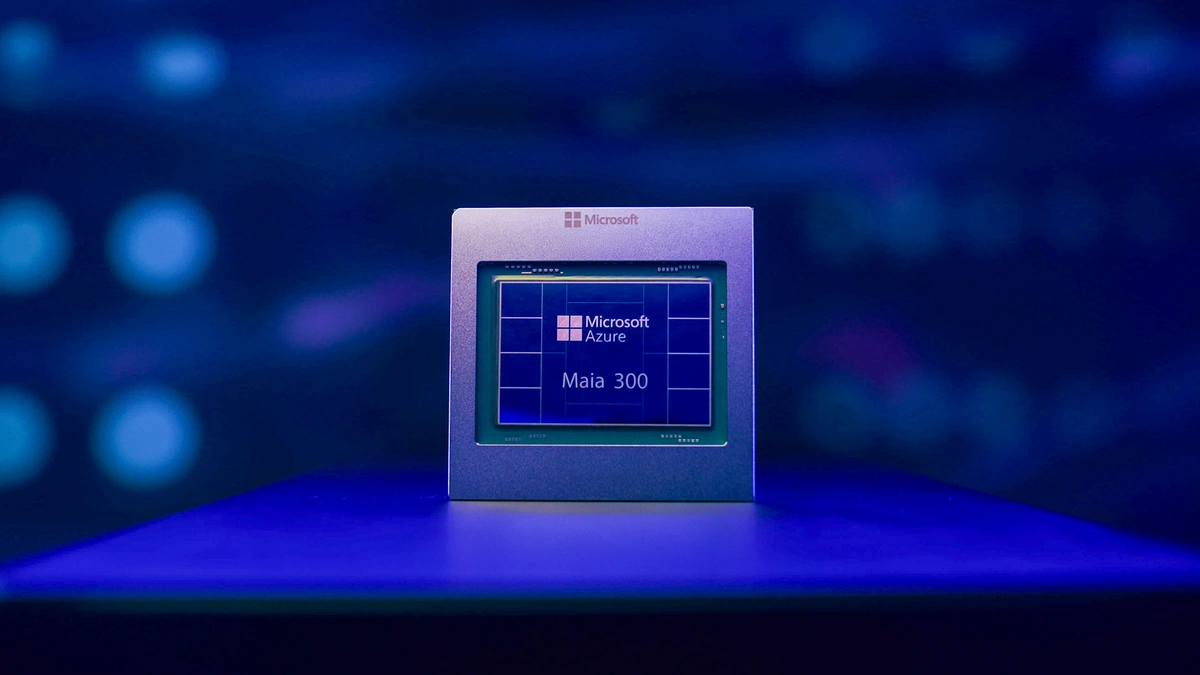
Maia 300, Microsoft's third-generation Azure inference accelerator, is due to begin production deployments in 2027, and Microsoft expects it to deliver 40% more tokens per megawatt than leading GPU-based systems. In a full 96-accelerator configuration, the company puts rack-scale token throughput at up to 7 times that of Maia 200, the generation now shipping.
Microsoft also plans to scale the Maia family to multi-gigawatt deployments starting in 2027 and make it the primary inference system for its own products. Maia 200 already serves Microsoft Copilot and the MAI model team, with GitHub Copilot and Microsoft Foundry to follow by the end of the year, and it runs OpenAI models, MAI models and open-source families. Microsoft says it is deploying across the United States, Europe and Australia and delivers up to 1.7 times more tokens per watt for Teams, Copilot and Cowork features than GPU infrastructure it does not name.
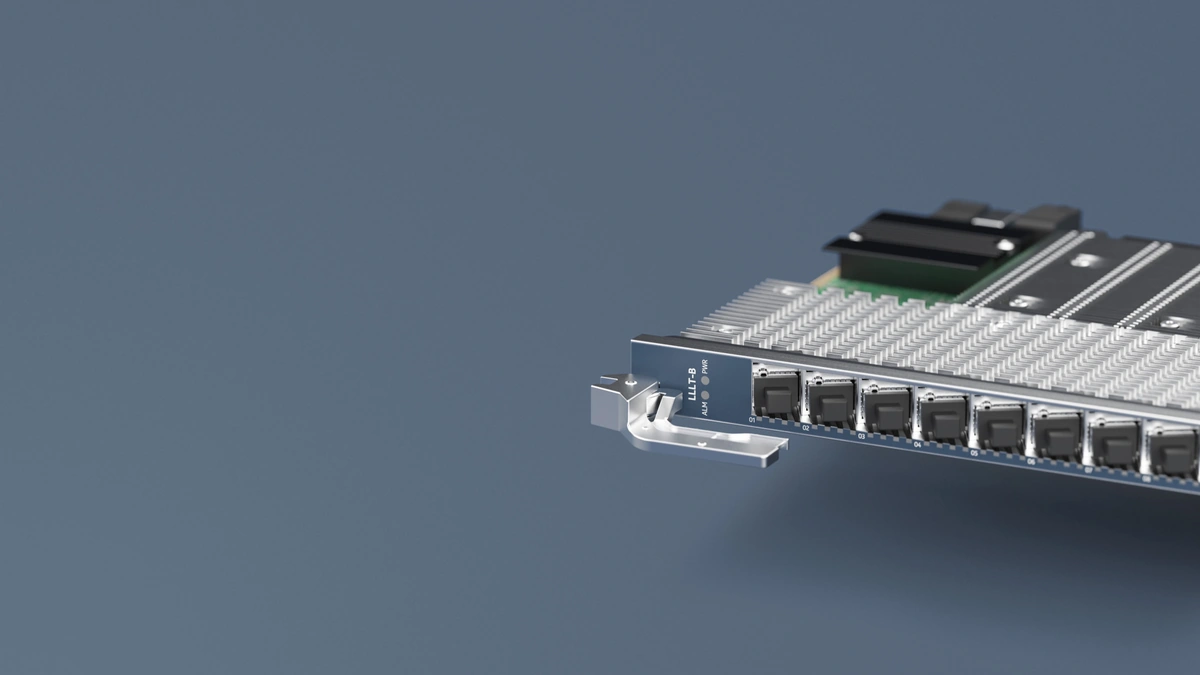
The hardware details come from Microsoft's Azure hardware team. Maia 300 puts its compute chiplets on TSMC's N2P process, while memory controllers and I/O sit on separate dies. Each Maia 300 accelerator pairs eight HBM4 stacks holding 288 GB with 18 TB/s of bandwidth inside a 950-watt power budget, which is 2.5 times the bandwidth and 33% more capacity than Maia 200. Compute throughput rises 36%, and the chip adds an enhanced MXFP4 format plus sub-3-bit storage formats to shrink the bytes moved per token.
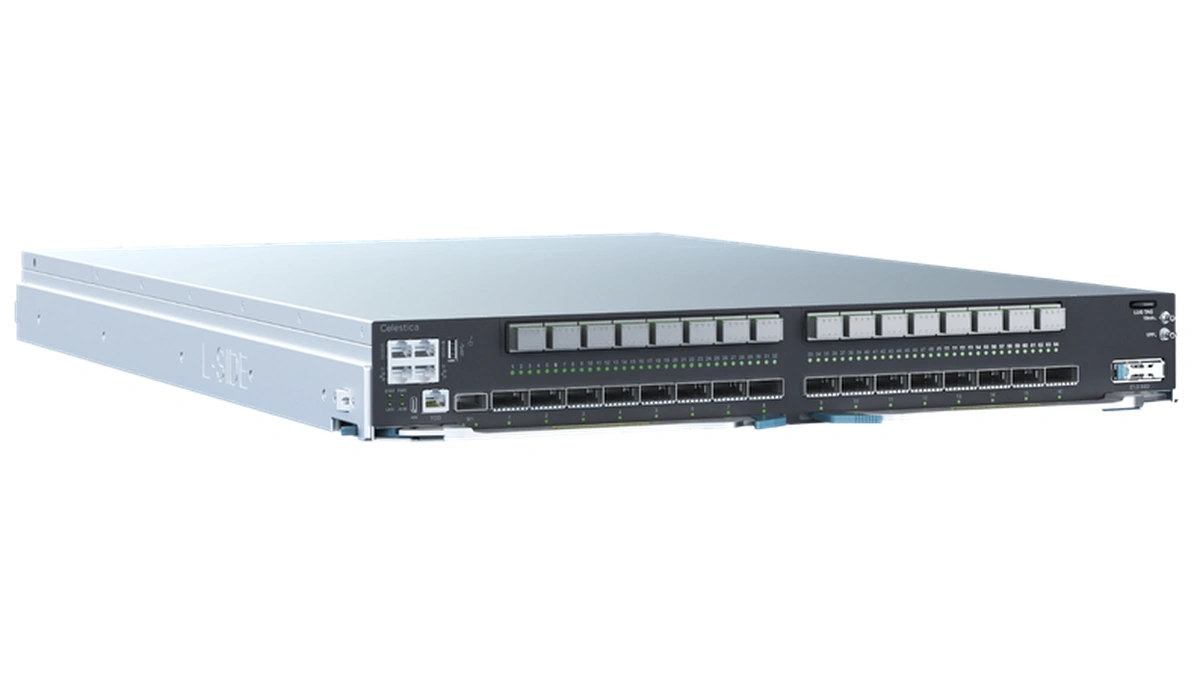
The Maia 300 rack doubles density to 96 accelerators in 24 trays drawing 167 kilowatts, with 27.6 TB of HBM and 1.7 PB/s of aggregate bandwidth. Liquid cooling removes more than 80% of the heat. A two-tier Ethernet-based fabric links up to 128 racks into a superpod of 12,288 accelerators, and any accelerator can address any other without a separate scale-out network card. Jobs can span racks, and spare trays in one rack can cover a failed tray in another.
Every comparison here is Microsoft's own, and the GPU baseline behind the 40% figure is unspecified. The 7x and 2.5x gains are measured against its previous chip and describe a design, Maia 300, that ships a year from now, so independent benchmarks cannot exist yet. For context on how custom silicon stacks up against GPUs and TPUs, see the accelerator comparison. Microsoft says it will share more at Ignite in San Francisco next month.