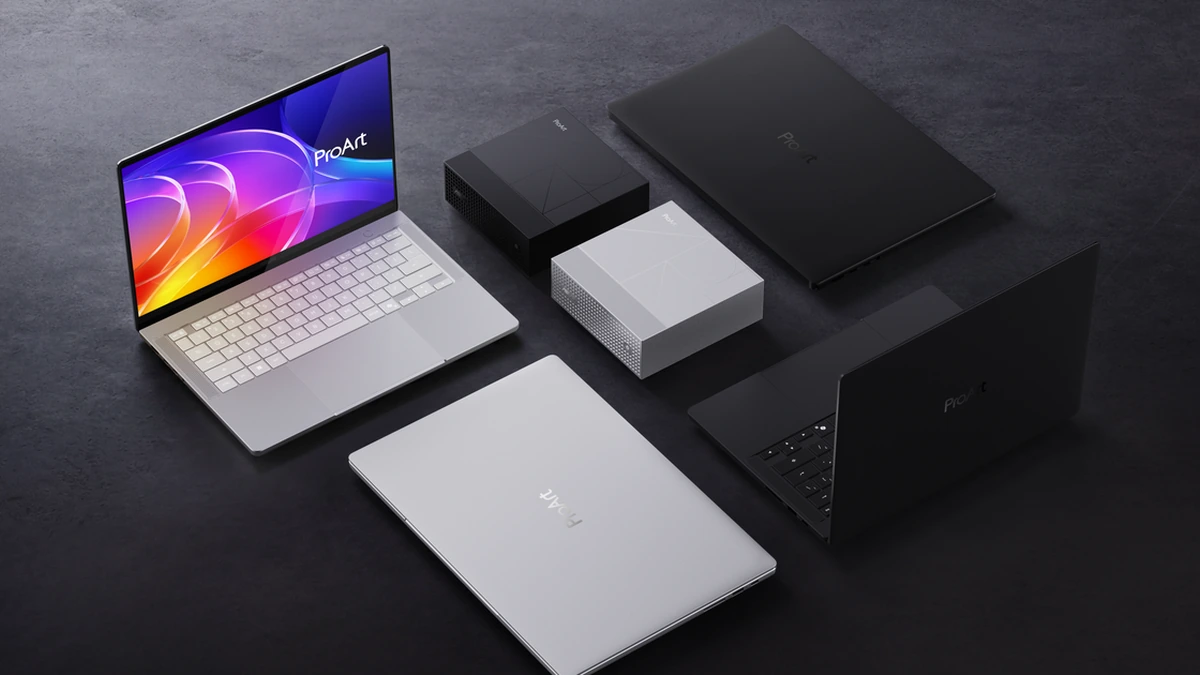
The ASUS ProArt P16 is a 16-inch laptop rated for one petaflop of AI performance, and that number comes from putting NVIDIA's RTX Spark superchip inside a chassis that used to just hold a mobile GPU. At Computex 2026, ASUS introduced the ProArt P16 alongside the smaller P14 and a matching ProArt Mini PC, all three built around the same Grace-Blackwell platform: a 20-core NVIDIA Grace CPU wired to a Blackwell RTX GPU with 6,144 CUDA cores over NVLink-C2C, the same chip-to-chip interconnect NVIDIA uses in its data center superchips, now shrunk down to run on battery power.
The pitch is local inference at a scale that used to require a workstation tower or a cloud account. ASUS says the P16 and P14 can render 90GB-plus 3D scenes, edit 12K 4:2:2 video, generate 4K AI video clips, and run 120-billion-parameter language models with context windows up to a million tokens, all with up to 128GB of unified memory shared between CPU and GPU rather than split across separate memory pools. That unified-memory architecture is the actual engineering story here: it is what lets a laptop treat a 120B-parameter model as a local workload instead of an API call.
Both laptops carry ASUS's Lumina Pro OLED panels, with the P16 topping out at 4K and 120Hz with adaptive refresh and the P14 at 3K, both rated to 1,600 nits and under 1 Delta E color accuracy. ASUS says the chassis is 13 percent thinner and 16 percent lighter than the outgoing H7606 generation despite the added compute, a tradeoff that will only hold up once thermal reviews land given how much heat a Grace-Blackwell package throws off under sustained load. Adobe is optimizing Photoshop and Premiere specifically for RTX Spark hardware, with ASUS promising roughly double the AI and graphics performance in those apps plus a bundled three-month Adobe Creative Cloud subscription.
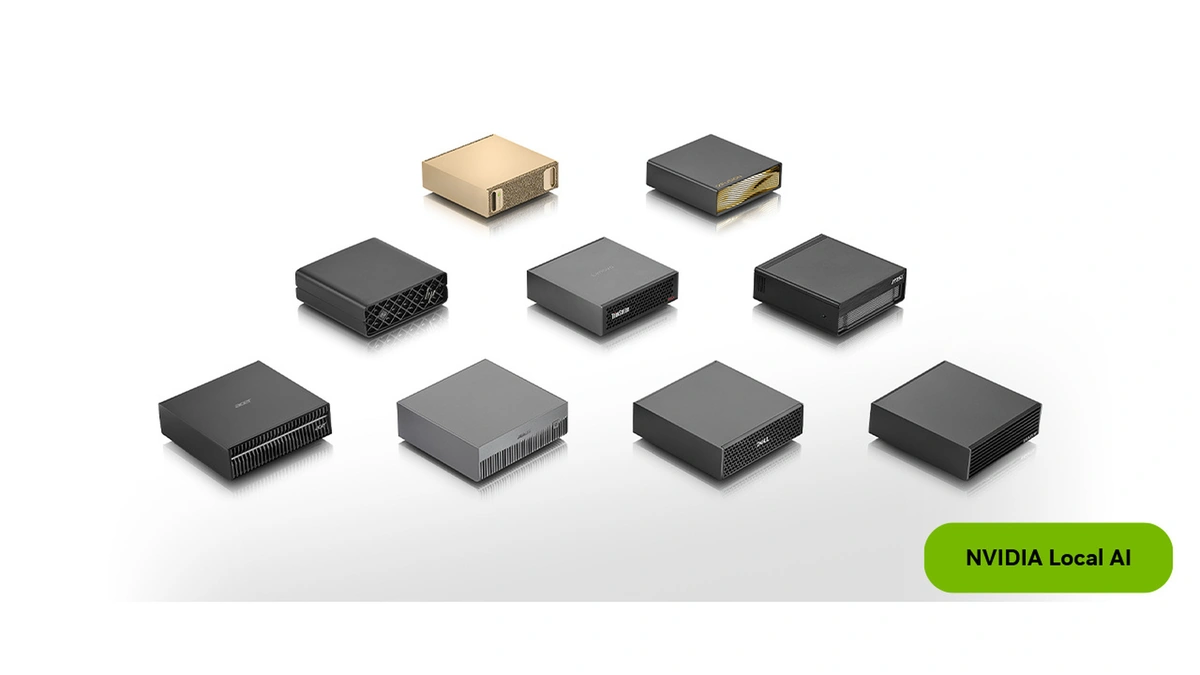
ASUS is positioning this squarely against the emerging class of "AI workstation" laptops built to run models locally rather than lean on cloud compute, a category NVIDIA itself is pushing through RTX Spark licensing to multiple OEMs at once rather than keeping the chip exclusive to one partner. That means the real competition for the ProArt P16 will not be another ASUS laptop, it will be whichever rival vendor ships an RTX Spark machine with a cooler chassis or a lower price when these actually reach shelves.
None of it ships soon. ASUS has set availability for fall 2026 in select regions, with full pricing still to come, and creator-focused buyers weighing whether to wait will be doing so on a spec sheet rather than a hands-on review for months yet.