
Podcast streaming technology is a category of audio production and distribution infrastructure that connects a recording chain to a hosting platform that encodes and delivers RSS-based feeds to every major listener app. The signal moves through three discrete layers: the acoustic capture layer (microphone, audio interface, room treatment), the editing layer (digital audio workstation, normalization, export), and the distribution layer (podcast hosting platform, RSS feed, directory submission). Each layer has distinct failure modes, and a weak link at any point degrades the final listener experience regardless of how well the other layers perform. Choosing the right podcast streaming platform means aligning each layer's tooling to the show's format and budget. For context on how podcast distribution differs from live video streaming, see Best Streaming Platforms: Twitch vs YouTube vs Facebook and Content Creation Tools For Streamers. The broader Gaming Hardware and Platforms landscape is covered in Unity vs Unreal Engine for VR Games.
How Podcast Streaming Technology Works
Podcast streaming technology delivers audio asynchronously: a listener downloads or buffers a pre-recorded file at a time of their choosing, unlike Twitch or YouTube live streams where the encoder pushes real-time output to viewers. This distinction defines the entire technical architecture. The production chain begins with a microphone converting acoustic pressure into an analog voltage, which an audio interface converts to a digital PCM stream and routes to the recording computer. A digital audio workstation captures that stream, and the finished episode exports as a compressed audio file (MP3 or AAC). That file uploads to a podcast hosting platform, which stores it on a CDN and generates a valid RSS 2.0 feed using the iTunes namespace extensions Apple mandated in 2005. Every listener app, from Apple Podcasts to Pocket Casts, polls that feed for new items rather than receiving a direct push from the producer. Podcast distribution to Apple Podcasts, Spotify, iHeartRadio, and every other directory happens automatically once a show owner submits the single feed URL to each platform. No per-platform upload is required after the initial submission.
Podcast Audio Equipment: Building the Signal Chain
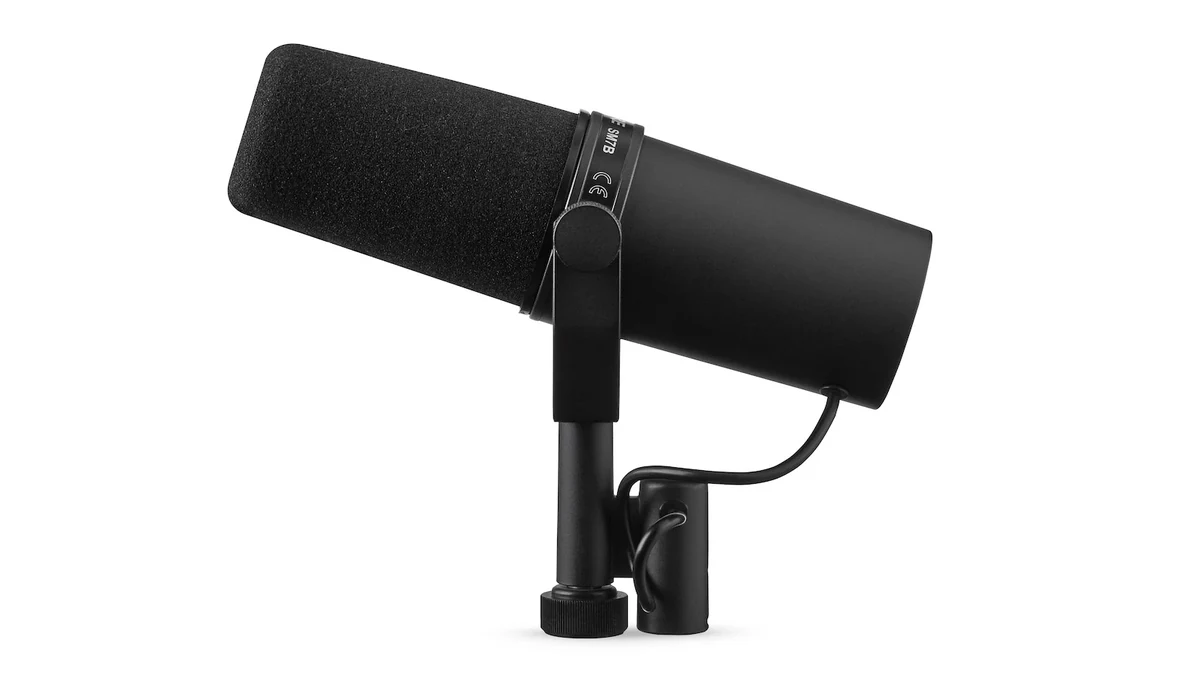
Podcast streaming technology begins with the microphone, and the choice between a dynamic microphone and a condenser microphone determines whether acoustic treatment is mandatory or optional. A dynamic microphone (Shure SM7B, Rode PodMic) uses a moving-coil capsule with a cardioid polar pattern that rejects off-axis room noise and handling vibration. Because the capsule is less sensitive than a condenser, it tolerates high noise floor environments without capturing reverb from untreated walls. A condenser microphone (Audio-Technica AT2020, Rode NT1) converts sound via a charged backplate and diaphragm, producing more detail across a wider frequency range, but it requires acoustic treatment to prevent room reflections from degrading the recording. In an untreated room, a $150 dynamic will outperform a $400 condenser.
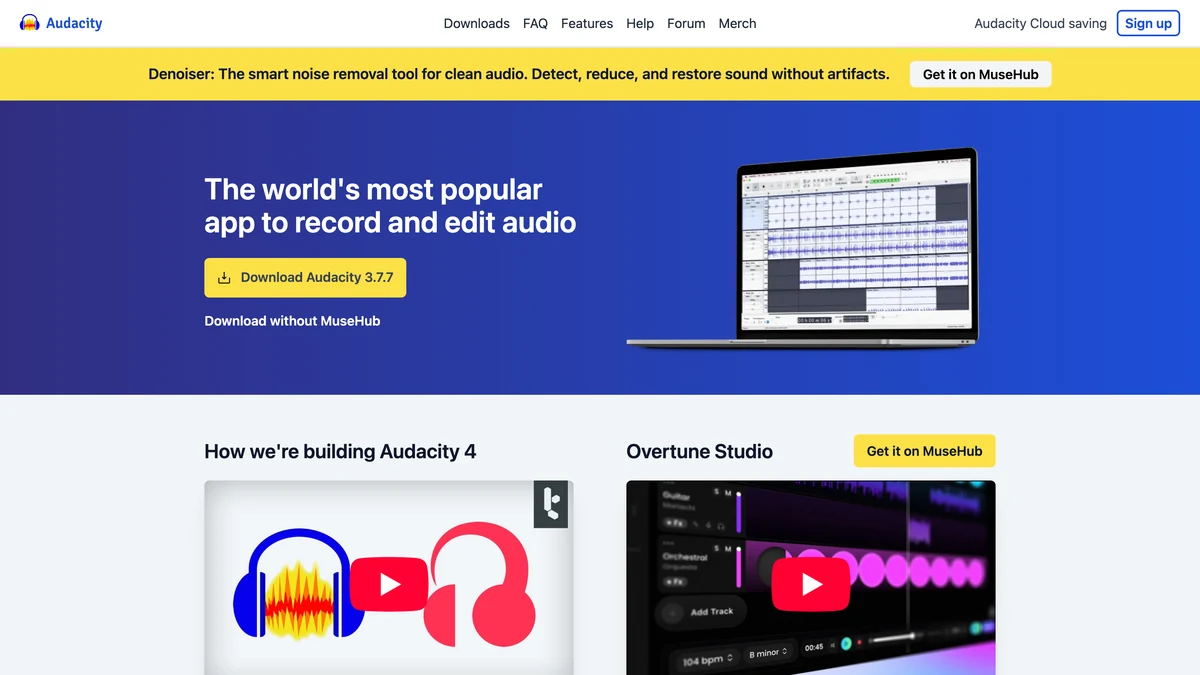
Between the XLR microphone and the recording computer sits the audio interface, an analog-to-digital converter that provides 48V phantom power for condenser capsules and handles gain staging before the signal reaches the digital audio workstation. Entry-level interfaces (Focusrite Scarlett Solo, PreSonus AudioBox) deliver 24-bit/48kHz conversion, which is sufficient for speech; no podcast listener can distinguish 192kHz sample rates from a compressed MP3 stream. A second XLR microphone input on the Focusrite Scarlett 2i2 covers two-host configurations without additional hardware. See Best Microphones for Streaming for a hardware-focused comparison of XLR and USB options in a live-streaming context. For DAW selection, Audacity covers basic multi-track editing at no cost; Descript adds AI-assisted transcript editing; Adobe Audition and Hindenburg Journalist target professional production workflows.
| Microphone Type | Best For | Acoustic Treatment Required | Typical Price Range |
|---|---|---|---|
| Dynamic XLR (e.g., Shure SM7B, Rode PodMic) | Home studio, untreated rooms, solo hosts | No | $100-$400 |
| Condenser XLR (e.g., Audio-Technica AT2020, Rode NT1) | Treated studio, voice acting, higher detail | Yes | $100-$500+ |
| USB all-in-one (e.g., Shure MV7) | Beginners, no-interface setup, travel | Recommended | $150-$250 |
Audio Quality Optimization for Podcast Recording
Podcast streaming technology cannot compensate for poor source audio: compression and normalization at the export stage can control dynamics but cannot remove reverb baked into the recording. Three levers determine output quality before a file ever reaches the podcast hosting platform.
Acoustic treatment addresses the noise floor at the source. The goal is a signal-to-noise ratio above 60 dBFS for speech. Budget options include a recording blanket over a door frame, recording inside a clothes closet, or placing acoustic panels at first-reflection points on side walls. Room treatment matters more than microphone price above the $100 threshold.
Dynamic range compression in the digital audio workstation evens out volume differences between close-mic proximity effect (bass boost when the speaker leans in) and quieter pull-back passages. Target -16 LUFS integrated loudness: both Spotify and Apple Podcasts normalize playback to -14 LUFS, so mastering to -16 preserves headroom without triggering a loudness penalty. The AES loudness normalization standard (AES TD1008.1.21-10) defines the R128 measurement methodology underpinning these platform targets.
Export audio bitrate controls file size and hosting bandwidth cost. 128kbps stereo MP3 is the floor for music podcasts; 96kbps mono MP3 is sufficient for speech-only shows and cuts file size by approximately 50%. Values above 192kbps add storage cost without audible benefit for spoken-word content. The IEEE audio and speech processing literature confirms that perceptible quality gains above 128kbps are negligible for narrowband speech signals.
- Record in an acoustically treated space to keep the noise floor below -60 dBFS.
- Set microphone gain so speech peaks at -12 dBFS on the audio interface meter.
- Apply dynamic range compression in the DAW: ratio 4:1, attack 10ms, release 150ms.
- Normalize to -16 LUFS integrated loudness using a loudness meter plugin (e.g., iZotope Insight, Youlean Loudness Meter).
- Export as 128kbps stereo MP3 (music or multi-host) or 96kbps mono MP3 (speech-only single host).
Podcast Hosting Platforms Compared
A podcast hosting platform stores episode files, generates the Feed, delivers audio via CDN, and handles directory submission. The choice of podcast hosting platform determines feed portability, analytics depth, and how tightly the show is tied to a single ecosystem. No sibling article in the Gaming and Entertainment Tech pillar covers this layer; the comparison below is the definitive reference for this stack.
| Platform | Free Tier | Storage Limit | Analytics Depth | RSS Customization | Directory Submission |
|---|---|---|---|---|---|
| Anchor (Spotify for Podcasters) | Yes, unlimited | Unlimited | Basic (Spotify-native) | Limited | Spotify-native; limited front-of-store on Apple |
| Buzzsprout | Yes, 2 hrs/month | Unlimited (paid) | Per-episode, within 24 hrs | Full control | Apple, Spotify, iHeartRadio, and others |
| Libsyn | No | Unlimited (paid tiers) | Enterprise-grade | Full control, custom domains | All major directories |
| Podbean | Yes, 5GB lifetime | Unlimited bandwidth | Standard | Full control | All major directories; has live streaming feature |
| Transistor | No | Unlimited | top-tier for professionals | Full control, team seats | All major directories |
Directory submission follows distinct timelines for each platform. Apple Podcasts requires submission via Podcasts Connect; review takes 24-72 hours and the show must meet Apple Podcasts requirements for artwork resolution (3000x3000px minimum), episode tagging, and RSS feed validity. Spotify processes new shows via Spotify podcast submission with near-instant availability in most regions. Google Podcasts was deprecated in June 2024; its catalog migrated to YouTube Music Podcasts, where shows now appear automatically if the original feed was previously indexed.
Anchor's Spotify integration creates a trade-off worth naming: shows hosted on Spotify for Podcasters gain automatic Spotify listing and algorithmic recommendation within the Spotify app, but the feed is generated by Spotify's infrastructure, which constrains third-party analytics and front-of-store placement on Apple Podcasts. Independent hosts (Buzzsprout, Libsyn, Transistor) keep the Podcast feed under the producer's control, enabling feed migration, dynamic ad insertion, and accurate cross-platform episode hosting analytics without dependence on any single distributor's curation.
Choosing the Right Podcast Streaming Technology Stack
Podcast streaming technology selection maps cleanly to show format and budget. The following three configurations cover the realistic range from first episode to professional production, with links to related live-streaming tools for producers who run both podcast and live formats: Stream Optimization: Internet Requirements and Quality Settings and How To Choose Between OBS, Streamlabs, And XSplit.
- Solo interview show, under $300: Rode PodMic or Shure SM7B (dynamic microphone, XLR), Focusrite Scarlett Solo (audio interface), Audacity (DAW, free), Buzzsprout ($12/month unlimited). The submitted feed reaches Apple Podcasts and Spotify within 72 hours. No room treatment required with the PodMic in a typical home office.
- Multi-guest remote recording, $300-$700: Rode NT1 condenser mic pair with absorption treatment panels (four 2-inch panels at first reflection points), Focusrite Scarlett 2i2 (two XLR inputs, interface), Descript or Adobe Audition (AI-assisted noise reduction), Transistor or Libsyn ($20-$25/month) for multi-host analytics. Dynamic range compression settings carry over from the solo configuration; each guest track compresses independently before the mix.
- Professional production, above $700: Shure SM7dB (built-in active preamp, no separate interface required for preamp gain), Universal Audio Volt 276 (interface with hardware dynamic range compression), Adobe Audition for mastering, Libsyn Advanced or Simplecast for enterprise podcast distribution with dynamic ad insertion and episode hosting analytics.
One operational distinction matters when producers compare podcast streaming technology to live video encoding: the podcast stack has no minimum internet bandwidth requirement at record time. Upload speed only matters at episode publish time. A 60-minute episode exported at 128kbps is approximately 58MB, which uploads in under 60 seconds on any standard broadband connection. Live streaming via OBS or Streamlabs requires sustained upstream bandwidth at encode time; podcast recording does not.
Further reading
- Best Microphones for Streaming , XLR and USB microphone hardware comparison for live streaming contexts
- Content Creation Tools For Streamers , general creator software stack for video and audio producers
- Stream Optimization: Internet Requirements and Quality Settings , bandwidth and encoder configuration for live streaming
- Apple Podcasts requirements , official feed validation and artwork specification from Apple
- Spotify podcast submission , Spotify for Podcasters RSS submission workflow
- How To Choose Between Steam Deck And Nintendo Switch
References: AES Standards; IEEE Xplore Audio Signal Processing.
See also W3C Podcast Index.
Frequently Asked Questions
What is the best podcast streaming platform for a new show?
Buzzsprout is the most accessible podcast host for new shows: it provides a permanent free tier covering 2 hours of audio per month, automatic submission to Apple Podcasts, Spotify, and iHeartRadio, and per-episode analytics within 24 hours of publish. For shows expecting more than 2 hours of monthly content from the start, Spotify for Podcasters provides unlimited free episode hosting but trades granular Audio feed control for tight Spotify ecosystem integration, which can limit discoverability on Apple Podcasts front-of-store.
What microphone is best for podcast recording?
A dynamic-element microphone is the better choice for most podcasters recording in untreated home environments because it rejects room noise and handling vibration more effectively than a condenser at the same price point. The Shure SM7B and Rode PodMic deliver consistent results across a wide range of untreated room conditions. A condenser-element mic produces higher detail and broader frequency response but requires sound treatment to prevent room reflections from entering the signal; in an untreated room, a $150 dynamic outperforms a $400 condenser on a practical recording.
What audio bitrate should I use when exporting podcast episodes?
128kbps stereo MP3 is the standard audio rate for episodes that include music or sound design elements; 96kbps mono MP3 is sufficient for speech-only shows and reduces file size by approximately 50% without perceptible quality loss on typical listener devices. Both Spotify and Apple Podcasts normalize playback to -14 LUFS regardless of export settings, so higher values do not improve perceived loudness at the listener end. Bitrates above 192kbps increase storage and CDN costs without audible benefit for spoken-word content.