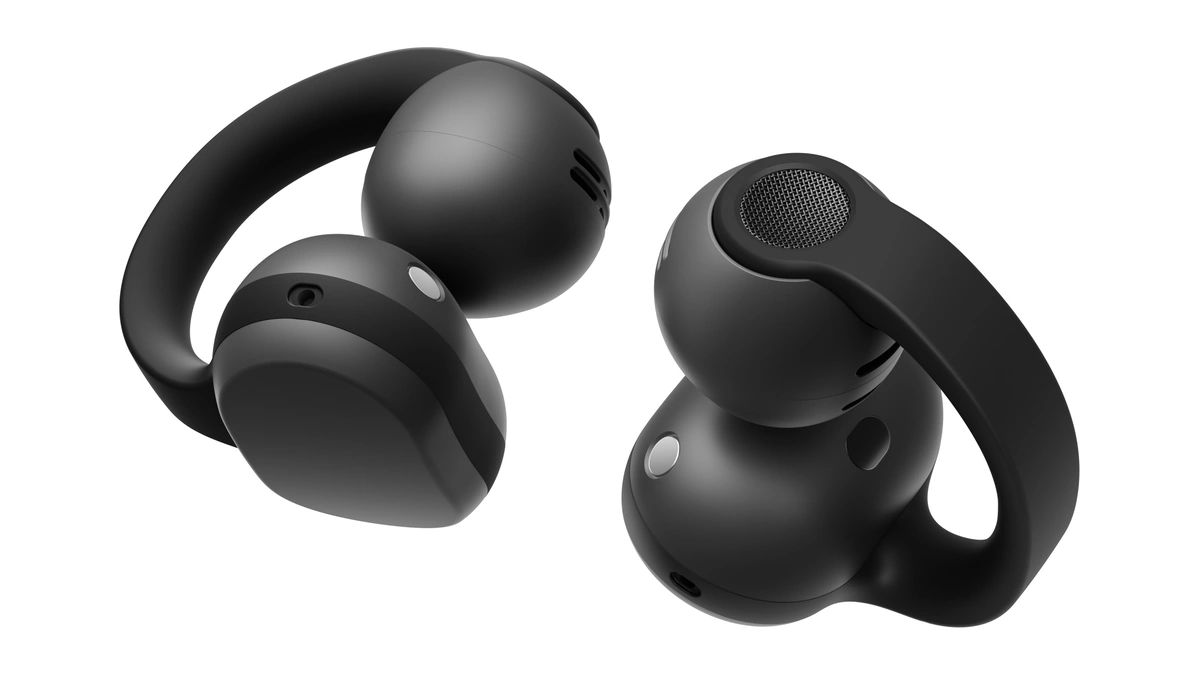

Razer used CES 2026 to show what an AI wearable looks like when a gaming company builds it. Project Motoko is a wireless headset concept, introduced on January 6 with Qualcomm Technologies, that reads the world through cameras and microphones instead of a phone screen and routes what it sees to outside AI assistants. It is a concept, not a product, and Razer attached neither a price nor a release window to it.
The hardware is the substance behind the pitch. Razer fits Motoko with dual first-person-view cameras at eye level for object and text recognition, plus far-field and near-field microphones for voice commands and ambient audio, all running on Snapdragon platforms. Rather than tie the device to one assistant, Razer says it works with several, naming Grok, OpenAI, and Gemini, and frames the everyday uses as translating signs, tracking fitness, and summarizing documents on the fly.
A camera-and-microphone headset that streams your field of view to a third-party model is the kind of concept that lives or dies on questions Razer did not address at CES: battery life on a head-worn device, what happens to the footage those cameras capture, and whether anyone wants to wear it in public. Nick Bourne, who leads Razer's mobile console division, described the goal as a platform that enhances gameplay while changing how technology fits into everyday life.
The most revealing detail is one Razer states plainly. The company says Motoko's stereoscopic cameras capture depth, focus, and attention patterns that can serve as training data for humanoid robots, which reframes the headset as much a data-collection tool as a consumer gadget. That admission, more than the gaming pitch, explains why a peripheral maker and a chip vendor are building a face computer together, and it is the part of the Motoko reveal worth watching as the concept develops.