Samsung used NVIDIA GTC 2026 to push the high-bandwidth memory race into its next round, showing HBM4E for the first time at 16 gigabits per second per pin and 4 terabytes per second of bandwidth. The part is a statement of intent as much as a product: it matches the 16Gbps figure SK hynix has cited for its own HBM4E, and it arrives while Samsung is still ramping the generation beneath it.
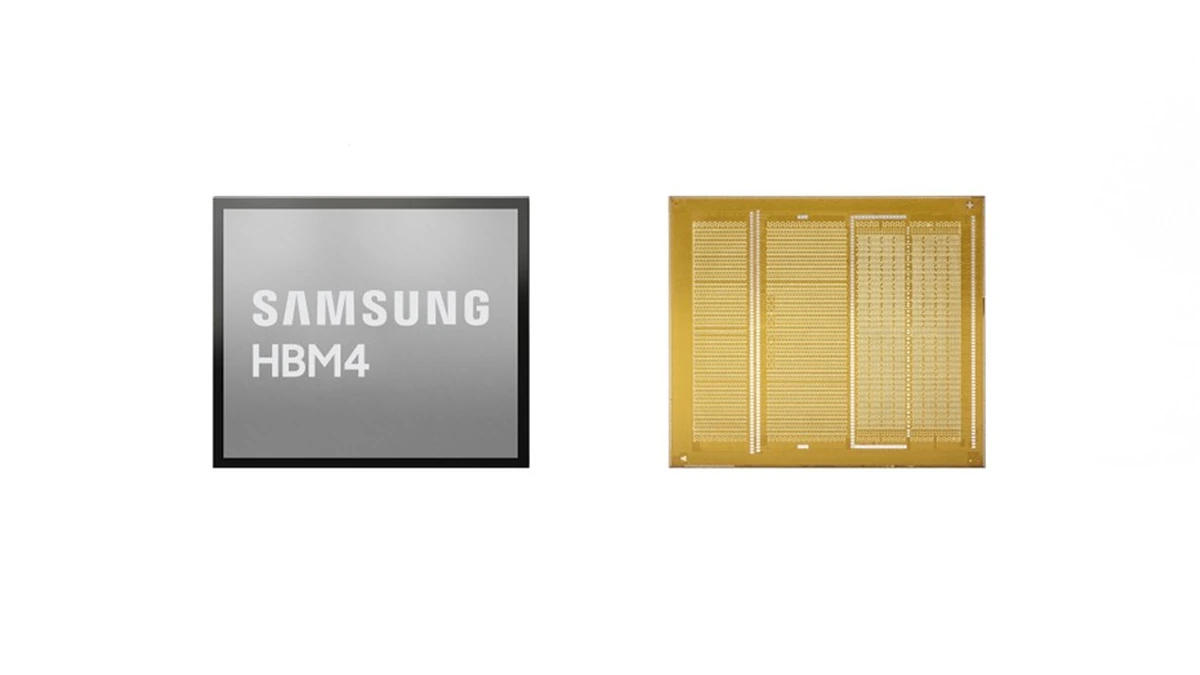
The memory Samsung can actually sell today is HBM4, which the company said is in mass production and tuned for NVIDIA's Vera Rubin platform. Samsung rates it at 11.7Gbps per pin, above the 8Gbps it calls the generation's baseline, with headroom to 13Gbps. It is built on Samsung's sixth-generation 10-nanometer-class DRAM, the node it labels 1c, which the company credits for the yields that let it commit to volume rather than samples.
HBM4E is the step after that, and the 4TB/s number leans as much on packaging as on the DRAM. Samsung paired the reveal with hybrid copper bonding, a stacking method it says allows 16 or more layers while cutting heat resistance by more than 20 percent against the thermal compression bonding in use now. Height and heat are the two walls HBM keeps hitting as accelerators demand taller, hotter stacks, and copper bonding is Samsung's answer to both at once.
Around the flagship memory, Samsung laid out the rest of an AI-datacenter kit: SOCAMM2 low-power server modules it says reached mass production first, a PCIe 6.0 PM1763 SSD, a PM1753 drive tied to NVIDIA's BlueField-4 storage design, and LPDDR5X and LPDDR6 for on-device AI. The breadth is the pitch. Samsung is the only supplier building memory, logic, foundry, and advanced packaging under one roof, and GTC was where it made that case to the customer whose roadmap paces all of it.
A booth demonstration is not a shipping yield, though, and that is the gap that matters. Samsung now sits level with SK hynix on the HBM4E spec sheet, but the memory makers are judged on which parts qualify into Vera Rubin-class systems first and in what volume, and whether copper bonding holds up in production the way it does on a show floor. Samsung has the wider portfolio; turning that into design wins against a rival that has led the last few HBM generations is the harder problem, and GTC only opened the argument.