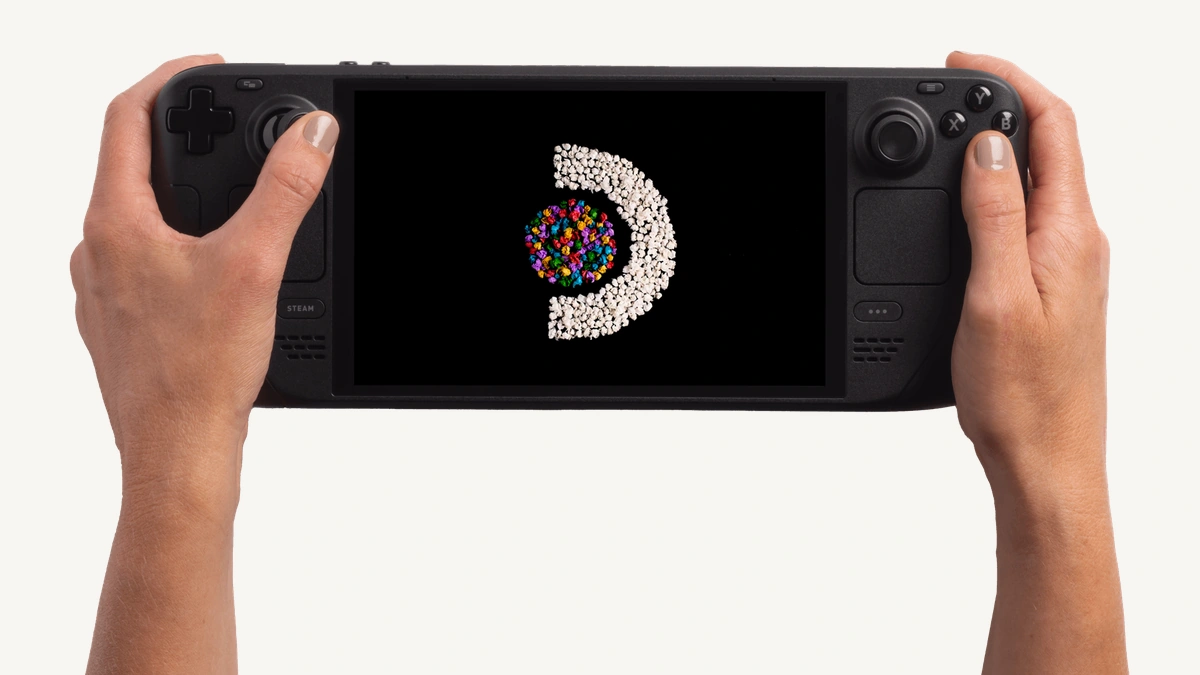
Steam Deck is a handheld PC gaming device from Valve that now costs nearly double its 2022 launch price after Valve raised the entry point, ending the brief window when portable PC gaming was an affordable mainstream option.
The current Steam Deck starting price is $789, up from $399 at launch in 2022, according to The Verge. The increase coincides with Nintendo raising the entry price for its latest handheld gaming system to $499, more than the disc-less PS5 cost at its own launch. Valve and Nintendo are described as among the last major hardware makers to raise prices, following compounding cost pressures including tariffs, elevated memory and storage prices driven by AI server demand, and rising energy costs.
The rest of the handheld PC market has already moved well past $789. Competing devices from Lenovo now list above $1,500 at the low end and approach $2,000 for their higher-end model. Other handheld PCs from MSI and Asus have similarly risen from their launch prices, and Microsoft's Xbox-branded handheld entered at $1,000. The practical effect is that $789 now looks competitive within the segment Valve helped create, a comparison that would have seemed absurd at the original launch price of $399.
The structural argument made by The Verge's Sean Hollister is that the handheld category had occupied a specific psychological niche: a purchase decision where the downside risk felt manageable. At $400, a Steam Deck was money a gamer could justify as experimentation. At $789, the calculation becomes a direct trade-off against other hardware spending, narrowing the audience to buyers who have already decided they want a handheld specifically. That shift represents a qualitatively different market than the one that made the original Steam Deck a mainstream phenomenon.
One supply-side factor compounds the demand picture: Sony has reportedly moved away from releasing its major single-player titles on PC, which had been a meaningful part of the Steam Deck's value proposition for some buyers. If that library shrinks, the case for a premium handheld PC rests more heavily on the PC-native back catalog and subscription services at a hardware cost that now rivals last-generation home consoles. No other manufacturer meaningfully challenged Valve or Nintendo on price during the years handhelds were affordable, and the window for that kind of market entry appears to have closed.