BigCommerce is making a claim that is easy to state and hard to deliver: chief executive Travis Hess says the company is launching more products in the next six months than in its entire history. The roadmap he laid out under a Built for Momentum theme, published around the company's Commerce Live events, is the evidence for that boast, and it leans almost entirely on two things at once, embedded payments and a bet that shopping is moving from web pages to AI agents.
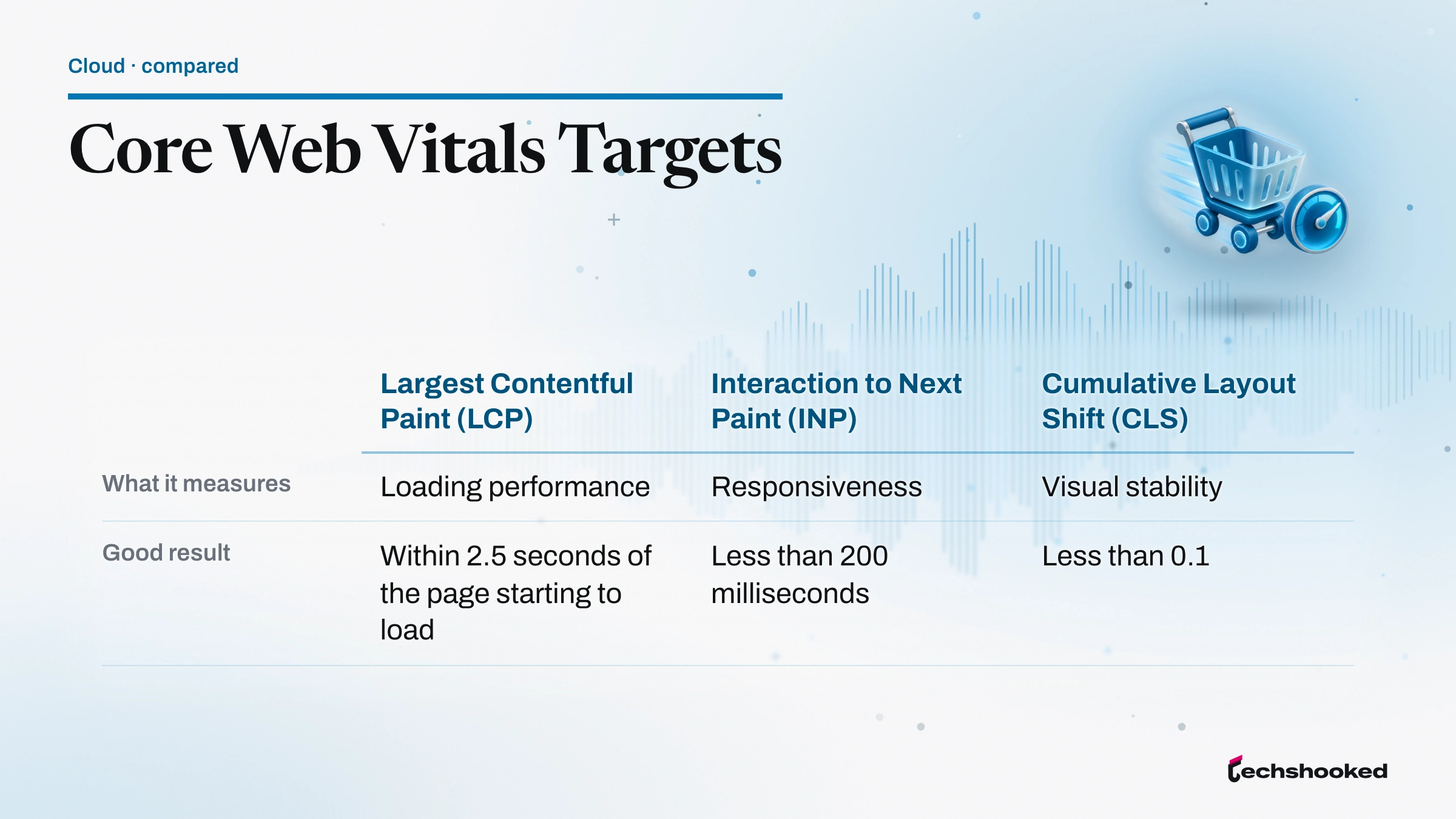
The concrete piece is BigCommerce Payments, an embedded checkout that went live for US retail merchants on March 30 and handles cards, PayPal, Venmo, Google Pay, Apple Pay, and buy-now-pay-later, with UK and Europe expansion set for the third quarter. Payments is the part of this list with the clearest business logic, because a platform that processes the transaction earns a cut of every sale rather than a flat subscription. The company pairs it with a checkout it says loads a full second faster, a roughly 37 percent improvement it credits with about a one-point lift in conversion in early data, and Catalyst hosting that now runs natively on Cloudflare at no extra cost inside a contract.
Most of the rest is a wager on agentic commerce, and it rests on Feedonomics, the product-data business BigCommerce bought in 2021. The idea is that structured, enriched catalog data is what shopping agents need to read a store, so BigCommerce is building the pipes to push that data outward. Agentic catalog exports format a merchant's products for external agent schemas including Google's Universal Commerce Protocol, OpenAI, Perplexity, Copilot, PayPal, and Amazon, while a PayPal StoreSync integration syndicates catalogs to Perplexity, Copilot, and Meta.
On the store itself, BigCommerce detailed an MCP server that powers an on-site AI advisor able to talk to shoppers and complete a purchase, a control-panel assistant called Companion that pulls reports and runs bulk edits, and a conversational search in closed beta that answers intent-based queries rather than matching keywords. B2B merchants get a purchase-order agent in alpha that reads a PO from an upload, email, or fax and checks it against catalog and pricing, plus cascading price lists in beta from June.
What is missing from the product roadmap is the same thing missing from every agentic-commerce pitch right now, which is proof that shoppers have started buying this way at any scale. BigCommerce cites its own figure that merchants using Feedonomics saw about 24 points more GMV growth than peers in one month, a vendor number measuring the older business of feeding product listings to Google and marketplaces, not the new one of selling through chatbots. The strategy is coherent and the delivery pace is real, but it commits the platform to arming brands for a shift in buyer behavior that has not clearly arrived. The open question is whether pushing a store's catalog into OpenAI and Perplexity builds the merchant's business or quietly trains the assistant that will one day stand between the merchant and the customer.