Phonak EON debuts as the company's new hearing aid platform, pairing a low-power chip that Phonak calls HYPERSONIC with two real-time AI systems and support for nearly any Bluetooth device.
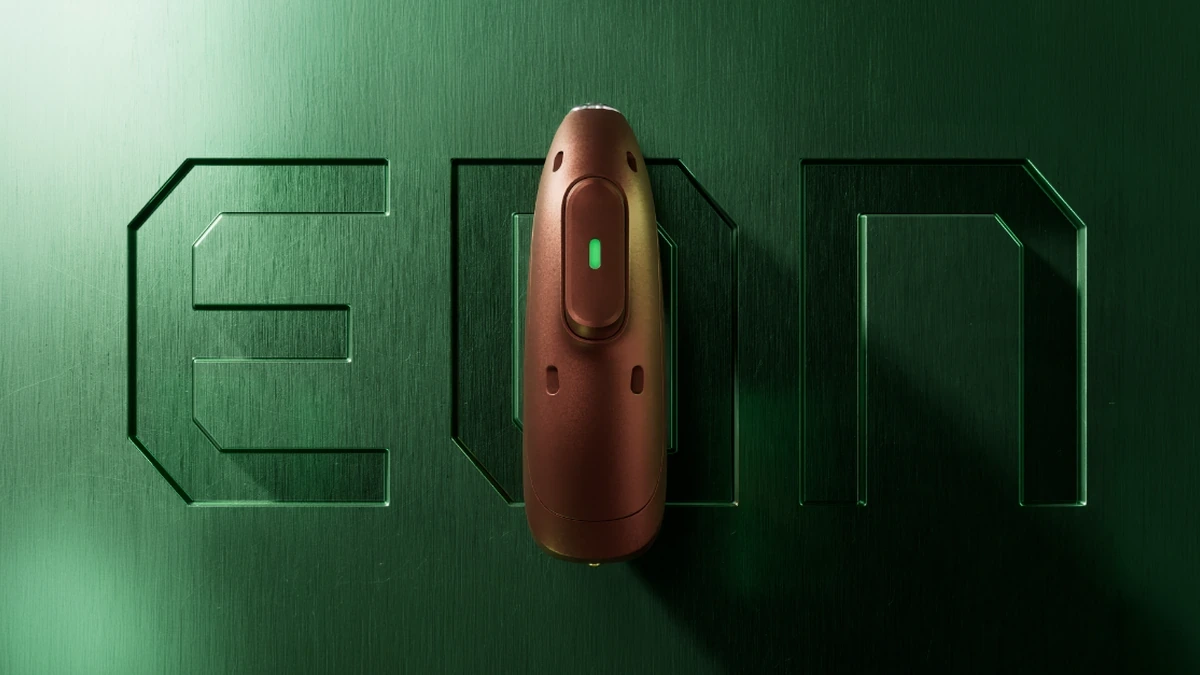
Phonak EON replaces the Sphere generation with three models: the Audéo EON Sphere, the Audéo EON R, and the CROS EON R for unilateral loss. Per Phonak, the platform runs Spheric Speech Clarity 3.0, a deep neural network that separates speech from background noise in real time, alongside AutoSense OS AI 8.0, which adapts its features to the sound environment, and a revised WindBlock 2.0 trims wind noise by up to 50 dB outdoors. The company says wearers are twice as likely to understand every word in noise.
The HYPERSONIC chip is what makes the smaller shell possible. Phonak says it draws 37% less power than the previous generation, which lets the EON body come in 25% smaller and 20% lighter while holding up to 38 hours of battery life.
Connectivity is the other major shift. Phonak EON combines Bluetooth Classic, Roger Direct, and Auracast broadcast audio in a single aid, a setup Phonak brands Made-For-All, so wearers can take calls, stream media, and pick up public audio feeds in museums, theaters, and airports. Auracast is the Bluetooth SIG broadcast standard that is also rolling into earbuds and venue sound systems, and its presence here gives the line a foothold in that transition.
Phonak EON is available to order through licensed hearing care professionals in the United States now, with Germany, France, the United Kingdom, Australia, and other markets following in September. Phonak has not published pricing, and the pitch centers on speech understanding and battery life rather than price.
The launch lands at a moment when hearing aids are absorbing consumer audio standards, and Phonak's third generation of real-time AI narrows the gap between prescription devices and the noise-canceling earbuds many people already own. Phonak also sent an early EON unit to the Arctic with a researcher who lives with hearing loss, a field test the company cites for its wind handling claims. What remains unclear is how the figures hold up under independent testing, since Phonak's own measurements are the only numbers on the table so far.