Samsung introduced the ISOCELL HPC, a 200MP mobile image sensor built on a new pixel architecture called DeepPix. The company says it is the first mobile sensor to carry the technology.
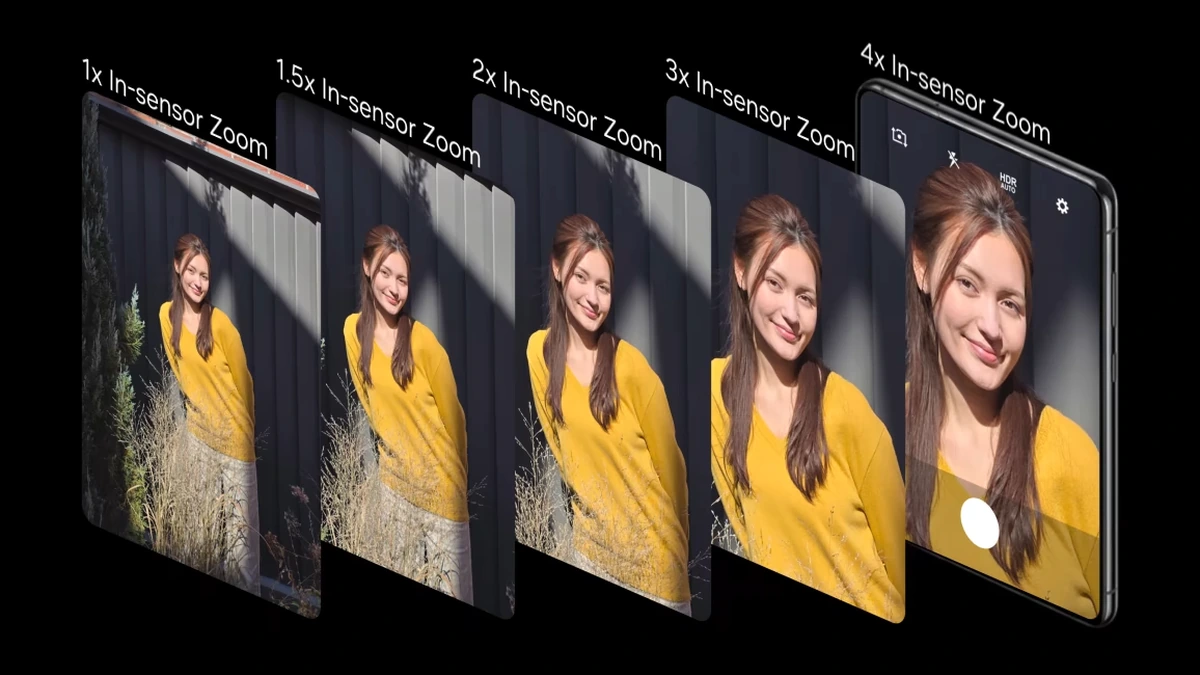
According to Samsung, DeepPix uses Front Deep Trench Isolation (FDTI) to increase single-pixel Full Well Capacity (FWC) by 60 percent over the previous ISOCELL generation. The sensor delivers single-frame 16-bit HDR, offering four times the color expression of conventional HDR per Samsung's measurement, while extending HDR performance across five in-sensor zoom ratios: 1x, 1.5x, 2x, 3x, and 4x simultaneously. Video tops at 4K/180fps in Partial PD readout, with 4K/120fps available when all-pixel phase-detect autofocus is active.
DeepPix expands each pixel's photodiode volume and shared floating diffusion, adding dual vertical transfer gates (D-VTG) to move accumulated charge with less noise before it reaches the readout circuitry. The wider electron reservoir is what enables the broader dynamic range: the pixel captures more signal before the photodiode saturates, preserving detail in highlights and shadows without needing to blend separate exposures.
The HDR-across-zoom capability addresses a consistent limitation in high-resolution sensors. Most 200MP-class mobile sensors lock single-frame HDR to one crop ratio; zooming in forces a mode switch or a multi-frame merge that can introduce motion blur or processing latency. The ISOCELL HPC maintains HDR across all five zoom ratios using in-sensor downscaling, keeping performance consistent from wide to telephoto without relying on software stitching.
Two additional optical technologies reduce photon loss at the pixel level. High Precision Microlens (High-P) uses high-refractive-index materials to steer more light onto each photodiode. High Transmittance ARL (High-T) cuts surface reflection and scattering to improve quantum efficiency. Both operate within the existing pixel pitch, so the 200MP resolution is unchanged.
Samsung has not named a handset partner or integration timeline. The company typically reveals component-level sensors months before they appear in production devices, whether in its own Galaxy line or in handsets from OEM partners.