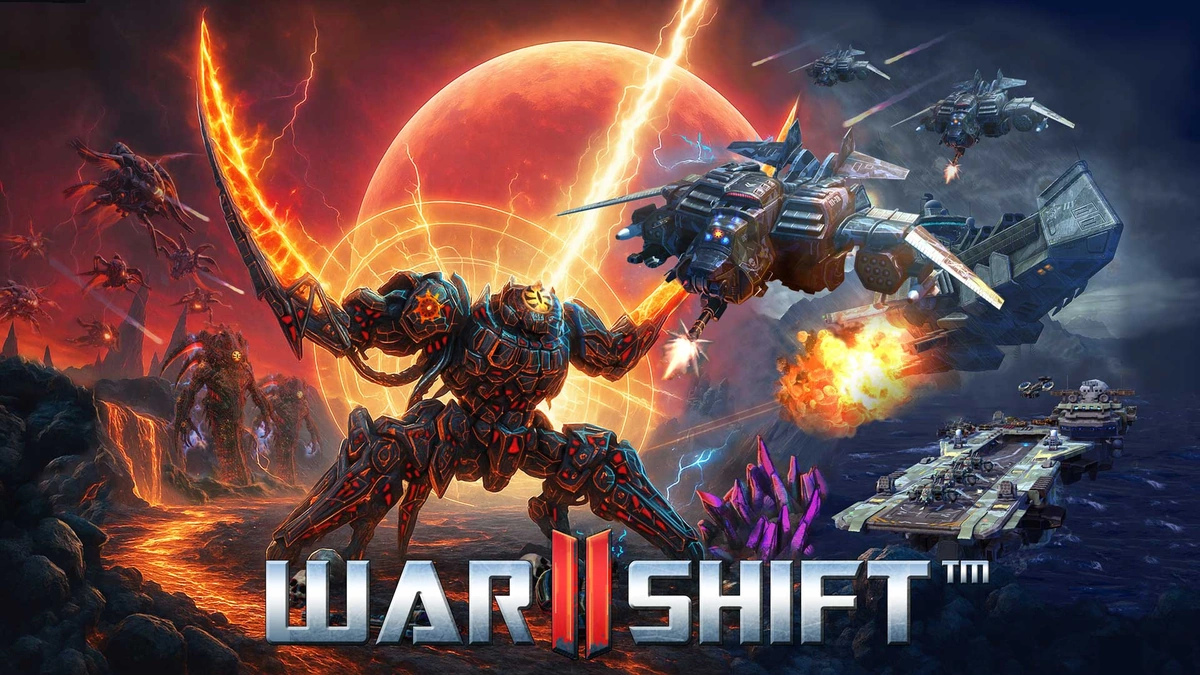
Warshift 2: Machines of Madness shipped September 2 on Xbox Series X|S and PC, released by publisher Fortell Games at $19.99 via Xbox Play Anywhere, sharing progress, save data, and Achievements across console, PC, and the ROG Xbox Ally handheld family.
The title comes from a single developer, Cyril Megem, who handled design, artwork, and programming. Xbox Series X targets 4K at 60 frames per second. Megem has described the game's central idea as a strategy experience where the commander is not separated from the battlefield: players can drop from a top-down strategic map into third-person hero control at any point in a match, with units and structures visible and responsive in both views.
The hero unit carries upgradeable weapons, equippable support drones, and a unique super-ability that shapes how each campaign and skirmish plays out. Fortell Games lists seven game modes at launch, including a single-player campaign, training missions, and Skirmish against AI. Skirmish settings let players dial enemy behavior from deliberate build-up to continuous pressure waves, and add AI-controlled heroes to either side to adjust the balance.
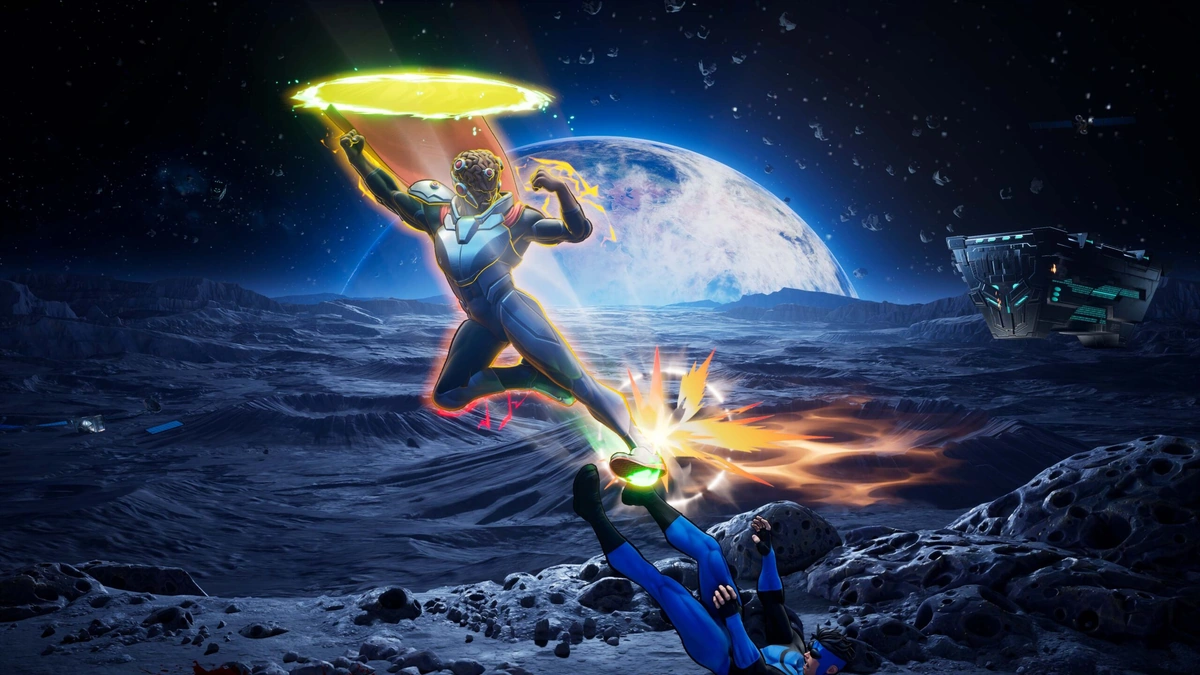
A second playable faction, the Alien forces, introduces an Evolution mechanic that transforms lower-tier units into stronger forms mid-battle, replacing the standard tech-tree progression with on-field unit conversion. New superunit types, Battleships and Aircraft Carriers, can project force over a wide front and be repositioned as conditions change across terrain, air, water, volcanic, underwater, and outer-space environments. The sequel extends the mode-switch concept its predecessor introduced at smaller scale to these larger, multi-environment campaigns.