A fitness tracker is a wearable device that monitors biometric signals such as heart rate, sleep stages, and activity load to generate daily health and recovery scores. The three most widely compared options are Fitbit, Garmin, and the Oura Ring, each built on a different sensor architecture that produces measurably different outputs for sleep staging and recovery assessment. The gap between a wrist-band photoplethysmography (PPG) sensor and a finger-ring PPG sensor is not cosmetic; it propagates into sleep-stage accuracy, readiness score reliability, and into how much each device can tell you about your recovery.
How Fitness Trackers Measure Sleep and Recovery
Every fitness tracker in this comparison rests on the same core sensor stack: an optical heart rate sensor using PPG, a multi-axis accelerometer, and, in two of the three devices, a skin temperature sensor. What differs is placement and signal quality. Wrist-worn sensors face a structural disadvantage for sleep stage detection: the wrist flexes during sleep, introducing motion artifact into the PPG waveform. A finger-ring placement reduces the optical path length and cuts motion artifact significantly, because finger movement during sleep is lower in amplitude than wrist movement. Peer-reviewed research published in IEEE Transactions on Biomedical Engineering confirms that PPG-based sleep staging accuracy varies with sensor placement and motion artifact levels, with finger-ring form factors showing lower artifact rates in controlled studies (IEEE TBME, 2020).
Heart rate variability (HRV) is the primary physiological input for readiness scoring across all three platforms. HRV reflects autonomic nervous system balance; compressed HRV overnight indicates higher physiological stress or incomplete recovery. A separate IEEE Sensors Journal study on HRV measurement from wearable PPG sensors found that wrist-worn optical heart rate sensors can track HRV trends accurately, though they are more susceptible to noise than electrocardiogram-based measurements (IEEE Sensors Journal, 2022). The companion app platform matters here too: fitness tracker companion apps behave differently across mobile operating systems, a dimension covered in depth in iOS vs Android: Platform Architecture, Privacy, and Enterprise Compared.
The shared sensor capabilities across wrist-worn and ring-form devices include:
- Optical PPG for continuous heart rate monitoring and SpO2 estimation
- Three-axis accelerometer for movement detection, step counting, and sleep-position inference
- Skin temperature sensing for circadian-rhythm alignment and baseline deviation tracking (Fitbit Sense 2, Charge 6, and Oura Ring Gen 4; absent on most Garmin Forerunner models below the Fenix line)
- Respiratory rate estimation derived from PPG waveform morphology during sleep
- HRV sampling during sleep; heart rate variability overnight trends drive the readiness score on both Oura Ring and Fitbit Premium platforms
Sleep Tracking: Oura Ring vs Fitbit
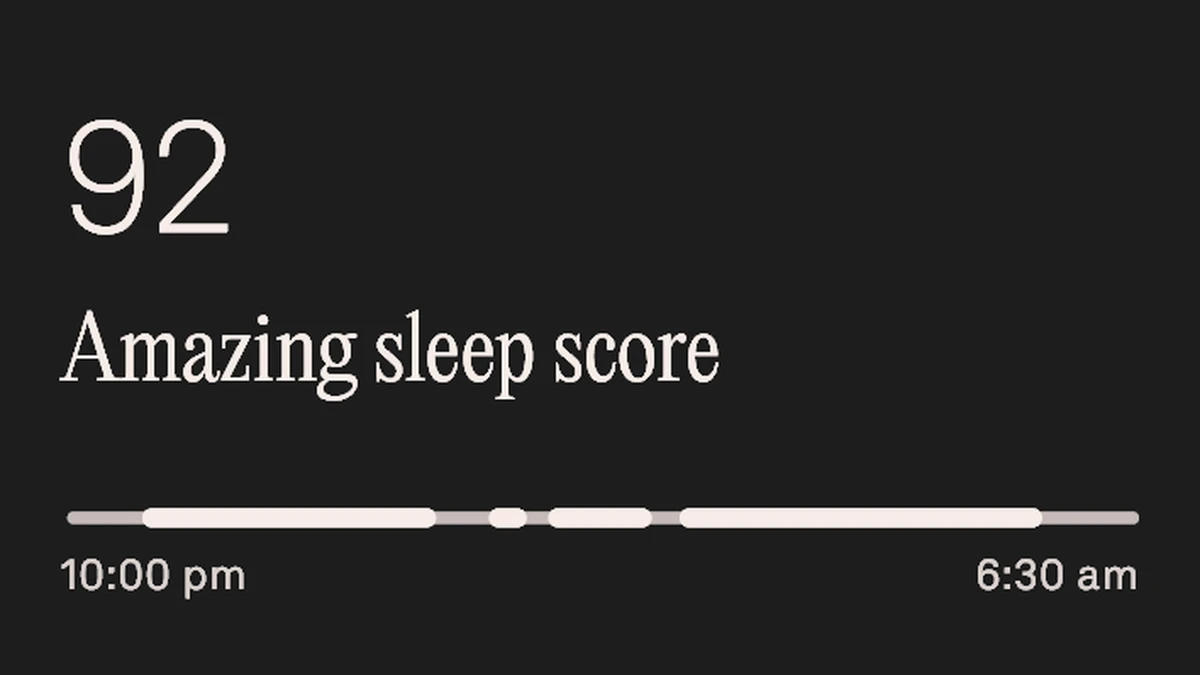
The Oura Ring and Fitbit represent the two main approaches to sleep stage detection in this comparison. Both platforms classify light, deep, and REM sleep stages, but their detection methods differ in sensor quality and algorithmic transparency. Fitbit uses wrist-worn PPG combined with an accelerometer to estimate sleep stages; the classification algorithm is proprietary and described in only limited technical detail in Fitbit Health Solutions documentation (Fitbit Charge 6 specifications). Oura Ring Gen 4 uses finger-ring PPG, absolute skin temperature sensing on the inner finger surface, and a 3D accelerometer; Oura has published research partnerships with the University of California San Francisco providing peer-review context for its temperature-based sleep staging (Oura Ring Gen 4 specifications).
Skin temperature sensing is a meaningful differentiator between the two platforms. The Oura Ring measures absolute skin temperature at the inner finger surface alongside optical heart rate, providing a stable baseline for detecting circadian-rhythm deviations. Fitbit Sense 2 and Charge 6 measure relative wrist skin temperature deviation from a personal baseline rather than absolute values. Both approaches feed into sleep score and readiness score computation, but the finger placement gives Oura a shorter thermal path and a less variable signal. For long-term battery planning across the wearables category, see Long-Lasting Fitness Trackers for Daily Use.
Health claims made by consumer wearables are subject to FDA oversight. Features such as AFib detection and SpO2 alerts that cross into medical device territory carry 510(k) clearance; sleep staging and readiness scoring are classified as wellness estimates and do not require clearance. The FDA 510(k) premarket notification database at accessdata.fda.gov lists which specific feature claims carry formal clearance per device. Neither Fitbit's sleep stage detection nor Oura's readiness score carries a medical-grade 510(k) classification; both are consumer wellness estimates.
| Dimension | Oura Ring Gen 4 | Fitbit Sense 2 / Charge 6 |
|---|---|---|
| Sleep-stage detection method | Finger-ring PPG, skin temperature, 3D accelerometer; lower motion artifact than wrist-worn sensor | Wrist-worn PPG plus accelerometer; proprietary algorithm; higher motion artifact exposure during sleep |
| Readiness score inputs | HRV, resting heart rate, skin temperature deviation, respiratory rate, previous sleep, activity balance | HRV, resting heart rate, wrist skin temperature deviation, sleep data, recent activity (Premium required) |
| Full-feature subscription required | Oura membership, $5.99/month as of writing (verify at ouraring.com); free tier limited to 30 days post-activation | Fitbit Premium, $9.99/month or $79.99/year as of writing (verify at fitbit.com); basic sleep duration visible without subscription |
| Peer-reviewed validation | UCSF research partnership; temperature correlation studies published; IEEE TBME PPG accuracy context applicable | Limited published peer-review on algorithm specifics; Fitbit Health Solutions white papers available |
GPS and Activity Tracking: Where Garmin Leads
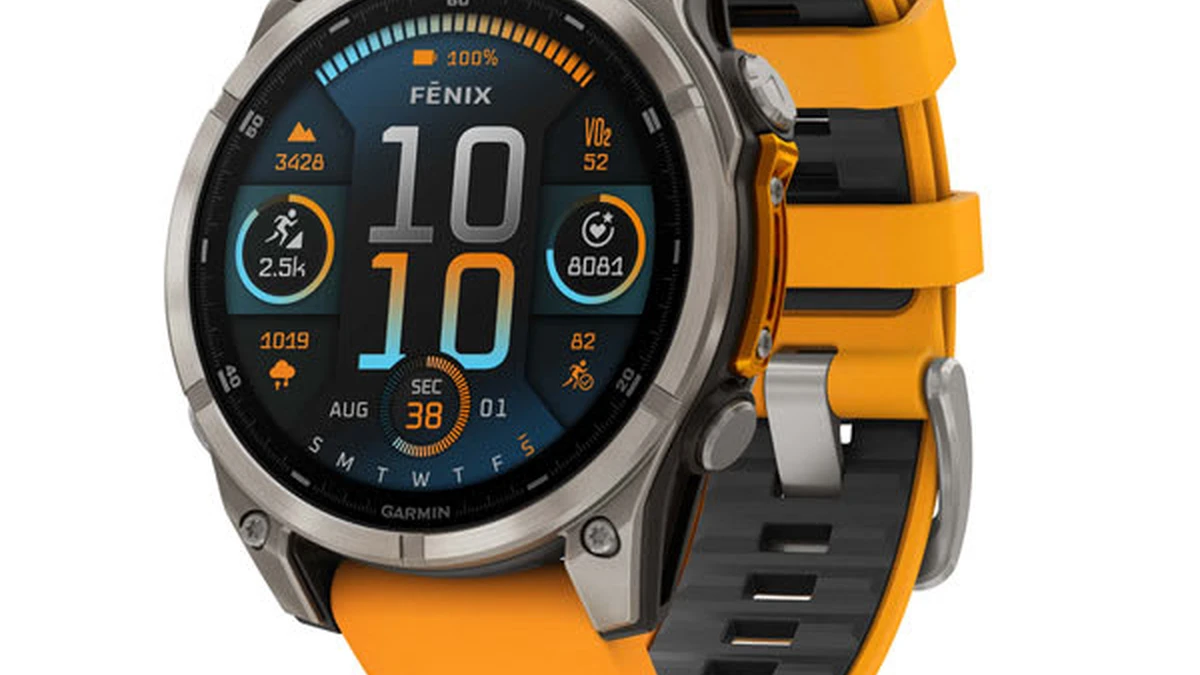
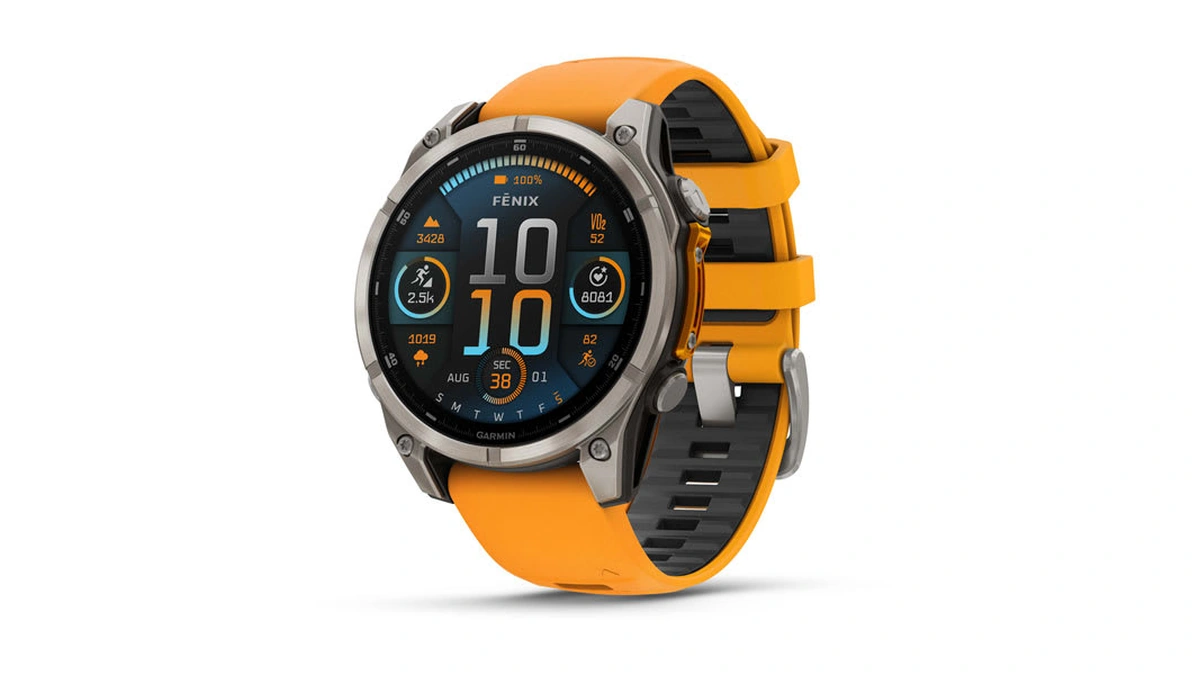
Garmin separates itself from Fitbit and Oura Ring on GPS tracking depth and sport-specific activity tracking. The Forerunner 265 and Fenix 8 series carry multi-band GPS for higher positional accuracy in urban canyons and tree cover; Fitbit's Charge 6 relies on Connected GPS for most use cases, and the Oura Ring has no GPS at all (Garmin Forerunner 265 specifications). Garmin's Elevate v5 photoplethysmography sensor underpins continuous heart rate monitoring across both devices; the sensor supports optical heart rate sampling at higher rates during workouts and running cadence detection with compatible accessories. The Oura Ring has no real-time workout display and detects activity type from accelerometer data after the fact. For a broader category view that spans smartwatches, rings, and trackers, see Best Wearables Compared: Smartwatches, Rings, and Trackers.
The five activity tracking differentiators, ranked by significance for performance-focused users:
- GPS availability: Garmin Forerunner 265 and Fenix 8 carry onboard multi-band GPS. Fitbit Sense 2 has limited onboard GPS; most Fitbit models below Charge 6 use Connected GPS requiring a paired smartphone. Oura Ring has no GPS.
- Sport-mode depth: Garmin supports over 40 sport profiles with real-time metrics including cadence, ground contact time, and stride length via compatible accessories. Fitbit supports exercise modes but without running dynamics. Oura Ring records activity type and intensity but offers no structured sport profiles.
- Training load analysis: Garmin calculates acute and chronic training load across workouts, enabling overtraining detection. Fitbit tracks Active Zone Minutes as a weekly effort proxy. Oura Ring does not offer training load analysis.
- VO2 Max estimation: Garmin provides VO2 Max estimates for running, cycling, and swimming. Fitbit offers a Cardio Fitness Score as a VO2 Max proxy. Oura Ring does not estimate VO2 Max.
- Water resistance: Garmin Forerunner 265 is rated to 5 ATM (50 meters); Fenix 8 to 10 ATM (100 meters) per Garmin specifications. Fitbit Charge 6 is rated to 5 ATM. Oura Ring Gen 4 is rated to 100 meters water resistance per Oura specifications.
Garmin's form factor carries a real tradeoff: the watch bulk and always-on display complexity make it less suited to passive sleep wear than either Fitbit's band or the Oura Ring. Many Garmin users remove the device at night or accept the discomfort, which can interrupt the continuous monitoring that sleep scoring requires.
Battery Life Comparison: Fitbit vs Garmin vs Oura Ring
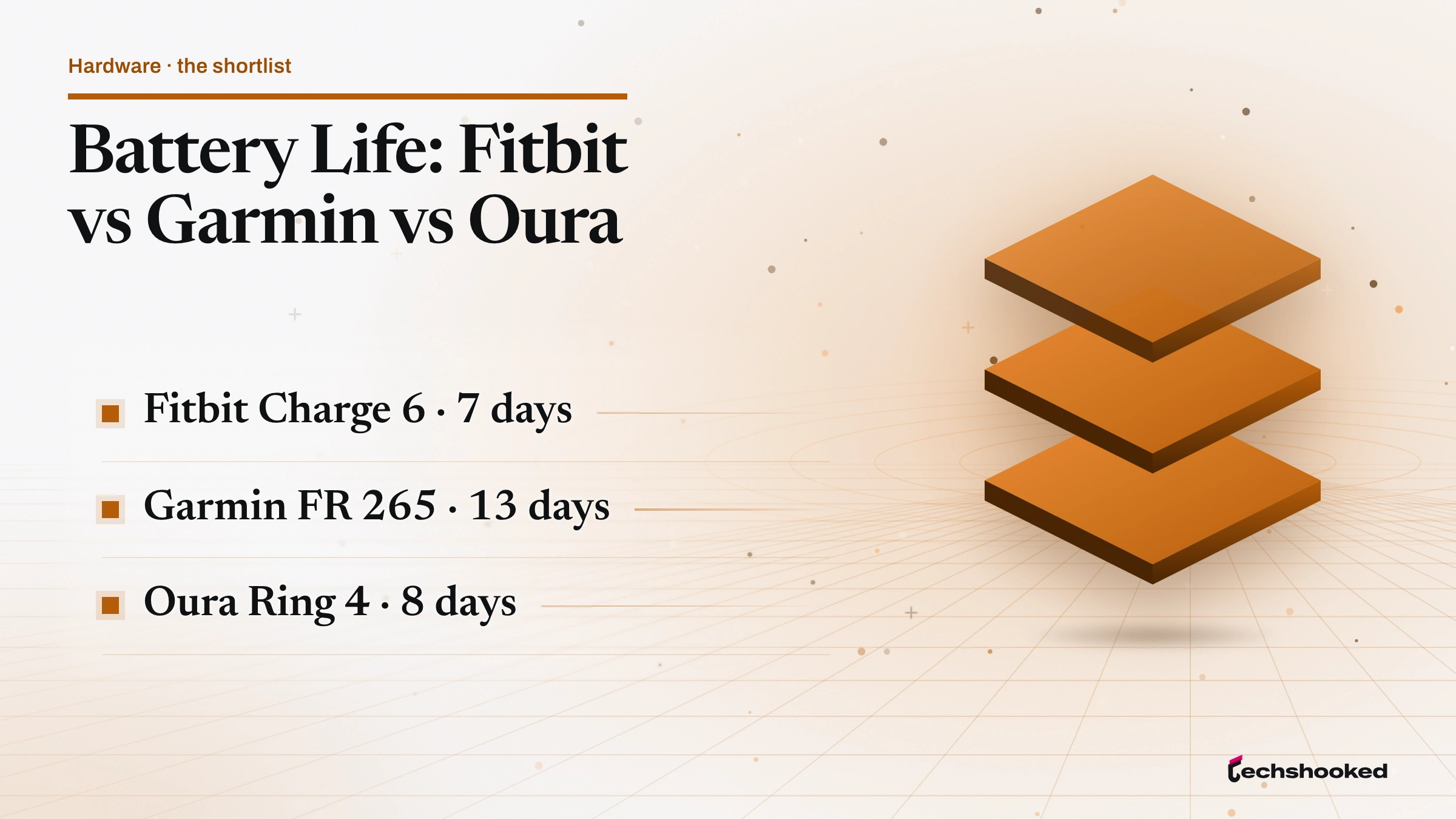
Battery life determines whether a fitness tracker stays on your wrist or finger through the sleep windows it is designed to measure. Garmin's range spans the widest battery life spread in this comparison, from the Forerunner 265's 13-day smartwatch mode to the Fenix 8 Solar's extended solar-assisted runtime. Fitbit targets a week of typical use. Oura Ring Gen 4 reaches up to 8 days. All figures below are manufacturer-rated under controlled conditions; continuous GPS tracking and always-on display will reduce battery life materially from the stated values. Figures verified as of Q2 2026 from manufacturer specification pages; verify current specifications before purchase.
| Device | Typical / smartwatch mode | GPS-active mode | Charge time (to full) |
|---|---|---|---|
| Garmin Forerunner 265 | 13 days | 20 hours | ~65 minutes |
| Garmin Fenix 8 Solar | Up to 48 days (51 mm, solar assist) | 95 hours (51 mm) | ~3 hours |
| Fitbit Charge 6 | 7 days typical use | Connected GPS only (phone-dependent) | ~60 minutes to 80% |
| Fitbit Sense 2 | 6 days typical use | Limited onboard GPS; varies by GPS mode | ~60 minutes |
| Oura Ring Gen 4 | Up to 8 days | No GPS | 20 to 80 minutes |
Sources: Garmin Forerunner 265 and Fenix 8 specifications; Fitbit Charge 6 and Sense 2 specifications; Oura Ring Gen 4 specifications. Battery life figures are manufacturer-rated estimates; real-world use with continuous GPS and always-on display will reduce these values.
Is the Oura Ring Worth It Compared to Fitbit?
The Oura Ring versus Fitbit decision comes down to which axis you weight most: sleep-stage accuracy, display access, budget, or data privacy. Neither device is superior across all three. The Oura Ring Gen 4 costs $299 to $349 depending on finish, plus a $5.99 per month membership (verify current pricing at ouraring.com). The Fitbit Charge 6 costs $159.95 and the Sense 2 costs $249.95 (verify current pricing at fitbit.com); both require Fitbit Premium at $9.99 per month to unlock the Daily Readiness Score and sleep stage detail. All prices as of writing.
Fitbit's Google acquisition introduces a data-sharing dimension that some buyers factor into the decision. Fitbit was acquired by Google in 2021; user data is now subject to Fitbit's updated privacy policy, which governs integration with Google account services. The current policy is available at fitbit.com. Users concerned about platform consolidation and data sharing with Google's advertising ecosystem should review the policy before committing. Oura Ring data is stored on Oura's servers under its own privacy policy at ouraring.com; no equivalent platform acquisition has occurred as of writing. For a detailed comparison of platform-level data handling between Android and iOS, see iOS vs Android: Platform Architecture, Privacy, and Enterprise Compared.
Three decision profiles by use-case fit:
- Sleep-first users: The Oura Ring Gen 4 suits readers who prioritize sleep stage detection accuracy and HRV-based readiness scoring over real-time workout display. Finger-ring PPG and absolute skin temperature sensing provide a sensor advantage for passive overnight monitoring.
- Budget-conscious general wellness users: Fitbit Charge 6 provides sleep tracking, activity tracking, and a display at a lower entry cost than Oura Ring. Daily Recovery score access requires Fitbit Premium, which adds to the total cost over time.
- Athlete-primary users: Garmin addresses GPS tracking for outdoor sport and continuous heart rate monitoring for training load analysis; Garmin Connect is free for core features. Oura Ring is not suited as a primary athletic device.
Choosing the Right Wearable tracker for Your Use Case
Each fitness wearable in this comparison occupies a distinct use-case lane. Matching the device to the primary need produces better results than selecting on brand recognition alone. Four profiles cover the majority of purchase decisions:
- Serious endurance athlete: Garmin Forerunner 265 or Fenix 8. Multi-band GPS tracking, training load analysis, VO2 Max estimation, sport-profile depth, and a battery life of 13 to 48 days (model-dependent) make Garmin the right choice for runners, cyclists, and triathletes who need real-time workout guidance and route logging. Garmin Connect provides free access to core training analytics without a mandatory subscription.
- Sleep and recovery optimization: Oura Ring Gen 4. Finger-ring PPG, absolute skin-temp sensing, and HRV-based daily readiness computation produce the most granular passive overnight data in this comparison. The absence of a display means all readouts require a smartphone, and the lack of GPS means it cannot replace a GPS watch for outdoor workouts.
- General wellness with a display: Fitbit Charge 6 or Sense 2. Sleep score, activity tracking, real-time heart rate, and a wrist display at a lower price than Oura Ring suit users who want at-a-glance data without relying on a phone. Advanced sleep stage detail and Daily Recovery readiness require Fitbit Premium. Users focused on maximizing battery endurance across the wearables category can explore the full range in Long-Lasting Activity trackers for Daily Use.
- Dual use (fitness plus smartwatch features): Users who need the full smartwatch platform layer alongside fitness metrics should consult the Apple Watch vs Samsung Galaxy Watch Comparison, which covers ECG, LTE, and platform-native features not available on dedicated trackers.
Verify current specifications and pricing at manufacturer websites before purchasing; this comparison reflects specifications as of Q2 2026. Garmin, Fitbit, and Oura Ring all release firmware and hardware updates that affect sensor specifications, subscription pricing, and feature availability.
Further reading
Frequently Asked Questions
Do you need a subscription to use Fitbit or Oura Ring features?
Fitbit Charge 6 and Sense 2 show basic step count, heart rate, and sleep duration without a subscription, but the Daily Daily score, sleep stage breakdown, and advanced health metrics require Fitbit Premium at $9.99 per month or $79.99 per year as of writing (verify at fitbit.com). Oura Ring requires an Oura membership at $5.99 per month as of writing to access readiness ratings, sleep stage breakdown, and trend analytics beyond the first 30 days (verify at ouraring.com). Garmin Connect is free for all core features across every Garmin device; no mandatory subscription is required for GPS tracking, activity tracking, or sleep score access.
Does Google own Fitbit data after the acquisition?
Fitbit was acquired by Google in 2021; user data is now governed by Fitbit's updated privacy policy, which allows limited data integration with Google account services. The policy at fitbit.com specifies which data categories are shared with Google and the conditions for third-party sharing. Users who created a Fitbit account before the Google account migration deadline were transitioned to Google login; the current policy applies to all new and migrated accounts. Review the current privacy policy at fitbit.com before making a data-sharing decision.
Can the Oura Ring track workouts as accurately as a Garmin?
The Oura Ring cannot replicate Garmin's workout tracking depth: it has no GPS, no real-time display, and no sport-specific activity profiles. The ring detects activity type from accelerometer data after the session ends, but it cannot provide route mapping, cadence, training load analysis, or zone-based heart rate guidance. The Oura Ring is designed for passive continuous monitoring of sleep, recovery, and HRV; Garmin is designed for active workout guidance. Users who need both capabilities should consider pairing an Oura Ring with a dedicated GPS watch, or choosing a single Garmin device if workout tracking is the priority.