An IoT home energy device is a network-connected sensor or controller that monitors, schedules, and automates residential energy consumption to reduce utility bills and lower household carbon output. Across device categories, the savings potential is real, but it depends on choosing the right device class, verifying interoperability before purchase, and actively enrolling in rebate and demand response programs that offset hardware costs.
What IoT Home Energy Devices Actually Do
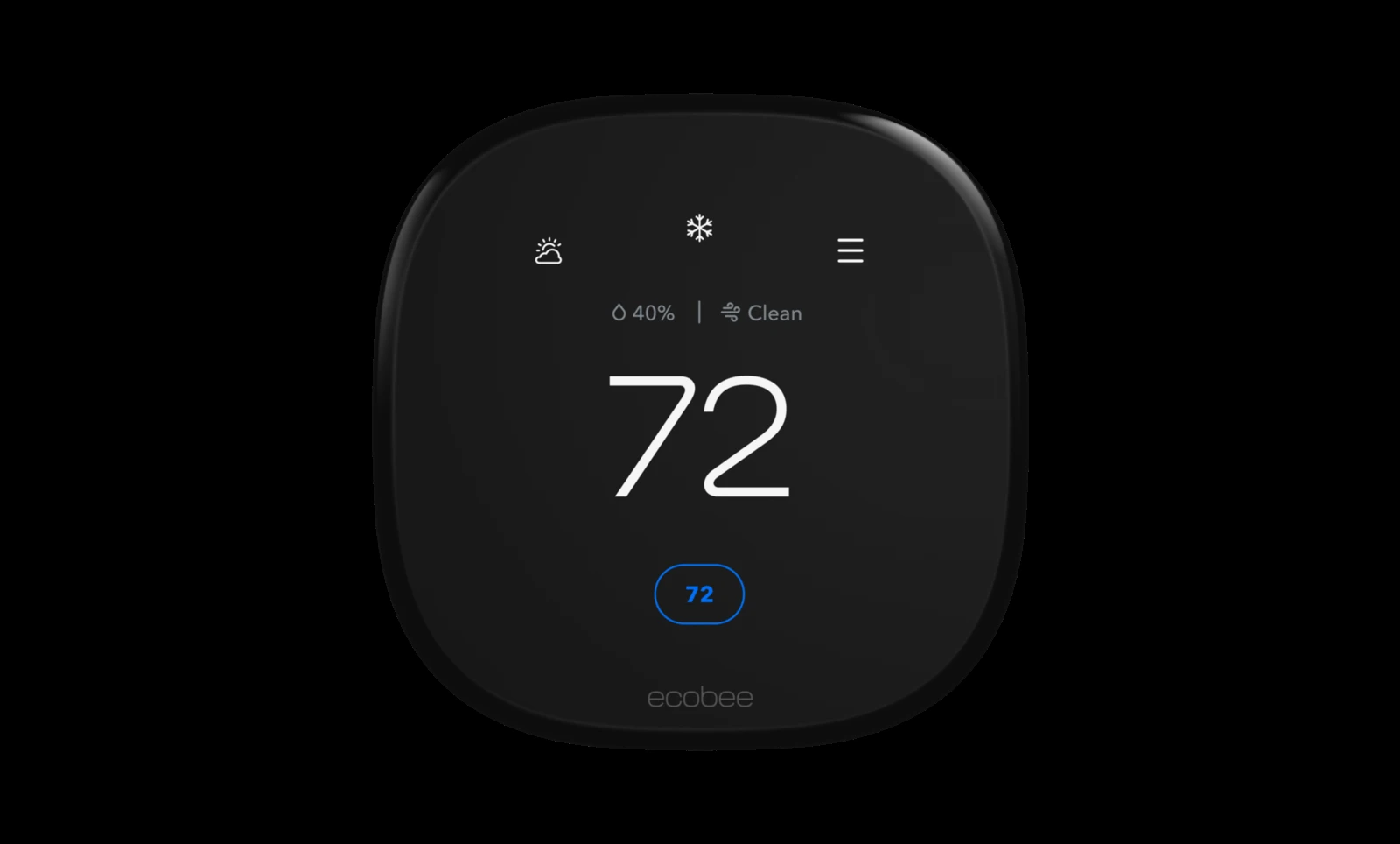
Every IoT home energy device operates within one of three functional modes. Understanding which mode a device uses determines what it can save and what it cannot. The underlying architecture is consistent across categories: sensors collect consumption data, controllers execute rules, and a local hub or cloud service aggregates the telemetry for dashboards and automation triggers.
Real-time energy monitoring is the foundation. Without accurate consumption data, scheduling and automation operate on assumptions rather than actual load behavior. Occupancy-based control adds a behavioral layer: devices respond to motion detection or calendar events, adjusting setpoints when a room or home is unoccupied. Demand response connects devices to grid-level signals, allowing a utility or aggregator to temporarily reduce loads during peak grid stress in exchange for bill credits.
These three modes correspond to increasing levels of operational complexity. Monitoring-only devices (smart meters, energy displays) require no actuators and carry the lowest installation risk. Scheduled control devices (thermostat controllers, smart plugs with timers) automate recurring patterns. Adaptive control devices (HVAC zoning controllers, grid-signal-responsive water heaters) require integration with external data feeds and compatible hub infrastructure. Mobile app ecosystems play an important role in configuring and monitoring these devices, as covered in How iOS Differs From Android. Network-level hardening for any deployed device is addressed in How To Secure Your IoT Devices.
Five evaluation axes run through this article:
- Device class and functional mode (monitoring, scheduled, adaptive)
- Measured kilowatt-hour reduction per device category, sourced from DOE, ACEEE, and EPA program data
- CSA Matter interoperability status and energy cluster support
- EnergyStar certification availability by category
- Rebate eligibility under current federal and utility program structures
Device Categories and Measured Energy Savings
Each IoT home energy device category produces measurable kilowatt-hour reduction at different points in residential consumption. The five categories below cover the majority of addressable household load. For a brand-level feature and pricing breakdown, see Compare Smart Thermostats: Nest, Ecobee, Honeywell.
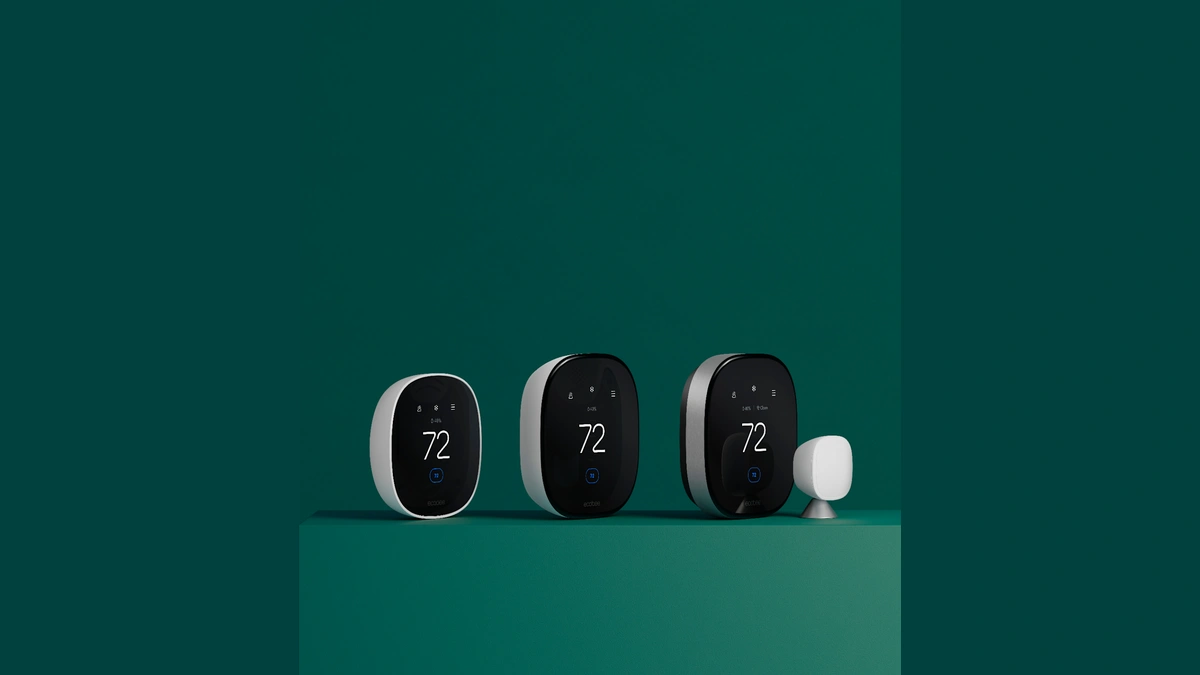
Smart thermostats apply occupancy-based HVAC scheduling to heating and cooling loads. The US Department of Energy guidance on connected thermostats describes these devices as internet-enabled programmable thermostats that let homeowners monitor and control heating and cooling equipment and identify opportunities to use less power. EnergyStar certification for this category requires EPA test-protocol verification of savings claims, making certified units the default choice for most rebate programs.
Intelligent lighting systems combine LED hardware with occupancy and daylight sensing. The American Council for an Energy-Efficient Economy benchmarks lighting load reduction at 50-75% compared to uncontrolled incandescent or fluorescent fixtures when occupancy sensing eliminates lighting in unoccupied areas (ACEEE). Load shifting is less relevant for lighting than for thermally massive loads, but occupancy-based control delivers consistent savings without requiring behavioral change from occupants.
Smart plugs and smart power strips target standby (vampire) draw, which accounts for roughly 5-10% of residential electricity use across always-on devices, according to LBNL plug load research. Payback periods for smart plugs are typically under 12 months at US average electricity rates because hardware costs are low relative to the standby loads they eliminate.
HVAC zoning controllers apply room-level demand control, reducing conditioning of unoccupied zones without requiring full HVAC replacement. Smart water heater controllers enable energy usage scheduling that shifts heat-pump water heater operation to off-peak grid windows. Load shifting of water heating to overnight or midday solar surplus hours is one of the higher-value use cases for demand response program participation, qualifying the device for per-device credits with many investor-owned utilities.
| Device Category | Typical Annual kWh Reduction | Hardware Cost Range (USD) | EnergyStar Certified Options | Utility Rebate Typically Available |
|---|---|---|---|---|
| Smart thermostat | 180-250 kWh (10-15% of HVAC load) | $130-$280 | Yes (EPA program) | Yes (most US utilities and IRA rebates) |
| Intelligent lighting system | 300-600 kWh (50-75% of lighting load) | $50-$200 per zone | Yes (EnergyStar Luminaires) | Varies by utility; less common at device level |
| Smart plug / power strip | 100-200 kWh (standby elimination) | $15-$60 | Limited options available | Uncommon at device level |
| HVAC zoning controller | 200-400 kWh (zone-level demand control) | $200-$600 | Varies by system type | Some utilities; check ENERGY STAR Rebate Finder |
| Smart water heater controller | 300-700 kWh (heat-pump + load shifting) | $100-$400 | Yes (heat-pump water heaters) | Yes (IRA Home Energy Rebates, utility DR programs) |
Matter Protocol and Cross-Vendor Interoperability for Energy Management
IoT home energy devices from different manufacturers can share energy telemetry on a single local hub when they carry CSA Matter certification. The Matter protocol, maintained by the Connectivity Standards Alliance, defines the application-layer standard that allows thermostat controllers, lighting modules, smart plugs, and HVAC controllers to interoperate without proprietary cloud dependencies (CSA Matter Specification).
Interoperability matters specifically for energy management because siloed proprietary systems cannot aggregate load data across device classes. A single dashboard pulling real-time energy monitoring data from thermostats, plugs, and water heaters enables energy usage scheduling and demand response automation that no single-vendor ecosystem can match. When a utility broadcasts a grid-stress event, a Matter-capable hub can simultaneously adjust thermostat setpoints, defer water heater cycles, and switch off smart plugs on non-critical circuits.
NIST IR 8425 (Profile of the IoT Core Baseline for Consumer IoT Products) establishes the security and interoperability baseline for consumer IoT deployments (NIST IR 8425). The device attestation and onboarding procedures required by Matter certification overlap substantially with the NIST IR 8425 baseline, making CSA Matter-certified devices a practical shortcut for achieving the federal security profile without separate audit work.
Not all Matter transports serve energy devices equally. Matter Thread provides low-power mesh networking suited to sensors and actuators with infrequent data updates. Matter over Wi-Fi serves devices with higher bandwidth or cloud-bridge requirements. For protocol layer comparisons across Zigbee, Z-Wave, and Thread, see Smart Home Hubs: Zigbee vs Z-Wave Protocols.
The Matter Electrical Energy Measurement cluster (cluster 0x0091) standardizes how metering data is reported across device classes. The following device classes have ratified energy reporting attributes in the Matter protocol 1.x specification:
- Energy-monitoring outlets and smart power strips (active power, energy cumulative, voltage, current)
- Thermostat devices (setpoint, mode state, occupancy signal, runtime reporting)
- Lighting controllers (on/off state, level control, energy metering on supported hardware)
- HVAC zone controllers (fan mode, temperature setpoint, occupancy attribute)
- Water heater controllers (operating mode, setpoint, heat-pump state on compatible units)
Calculating ROI: Payback Period and Utility Rebate Eligibility
Calculating the ROI of any IoT home energy device requires matching kilowatt-hour reduction data against local electricity rates and actual baseline consumption. The methodology below produces a payback period estimate the homeowner can refine with local inputs.
- Establish a 12-month consumption baseline. Pull kWh totals by category from utility bills or from a smart meter API if your utility offers one. Separate HVAC, water heating, and plug load where data granularity permits.
- Apply device-class reduction percentages. Use the ranges from the comparison table above (10-15% for a smart thermostat on HVAC load; 50-75% for intelligent lighting on lighting load; standby elimination for metering plug targets). Use the lower bound of each range for conservative projections.
- Convert kWh savings to dollars. Multiply annual kilowatt-hour reduction by your current blended electricity rate (cents per kWh, found on your utility bill). US average retail residential rates vary by region; confirm your rate from your most recent bill rather than using a national average.
- Subtract hardware and installation costs. Year 1 net savings equals dollar savings minus hardware cost and any electrician or HVAC technician fees for installation. Divide hardware cost by annual dollar savings to compute the payback period in years.
- Apply program rebates and enrollment credits. EnergyStar-certified thermostat controllers and heat-pump water heater controllers qualify for rebates through most US utility programs and through the Inflation Reduction Act Home Energy Rebates initiative. Grid program participation yields additional per-device credits from many investor-owned utilities, reducing the effective hardware cost and shortening payback. Use the ENERGY STAR Rebate Finder to confirm current offers by zip code and device type.
Thermostat payback typically runs two to four years at US average electricity rates after applying a utility rebate. Connected outlet payback falls under 12 months in most households due to low hardware cost. HVAC zoning controllers and heat-pump water heater controllers carry higher upfront costs but qualify for larger program rebates, which compress payback periods considerably. For context on whole-home IoT platform investment decisions, see Best Smart Home Security Systems Compared.
Installation, Security Baseline, and Long-Term Maintenance
Deploying an IoT energy device through its full lifecycle spans three distinct phases. Each phase carries decisions that affect both energy savings realization and long-term device security.
Refer to How To Secure Your IoT Devices for hardening detail beyond the baseline recommendations here, and to SmartThings Alternatives and Best Smart Home Hubs for guidance on selecting a Matter-compatible controller hub.
- Phase 1: Installation
- Place IoT energy devices on a dedicated IoT VLAN or guest network segment, isolating them from primary computing devices. This recommendation aligns with the NIST IR 8425 network segmentation guidance for consumer IoT deployments. Pair devices with a Matter protocol-compatible hub rather than relying on proprietary app clouds where possible. Confirm EnergyStar certification on the product packaging or the EPA certification database before purchase; uncertified devices may still perform, but certification confirms third-party testing of savings claims and qualifies the device for most rebate programs.
- Phase 2: Ongoing Operation
- Review real-time energy monitoring dashboards monthly and compare reported savings against utility bill changes. Firmware updates for IoT energy devices affect device attestation records in Matter ecosystems; delayed updates can cause re-pairing requirements with Matter controllers. Grid program enrollment with some utilities requires annual re-enrollment confirmation; set a calendar reminder to verify active status each year.
- Phase 3: Refresh Cycle
- Thermostat controllers carry a useful life of 7-10 years before firmware support typically ends from major vendors; occupancy-based control accuracy may degrade as sensor hardware ages. Smart outlet support windows vary significantly by vendor size; devices from smaller manufacturers may lose firmware updates within 3-5 years. Factor expected support duration into purchasing decisions, particularly for devices that participate in grid programs requiring current firmware for secure communication.
Further reading
- How To Secure Your IoT Devices: network segmentation, firmware hygiene, and attestation practices for all IoT categories
- Nest, Ecobee, and Honeywell Thermostat Comparison: brand-level feature and pricing breakdown for the highest-volume IoT energy device category
- Smart Home Hubs: Zigbee vs Z-Wave Protocols: protocol layer analysis relevant to Matter Thread deployment decisions
- SmartThings Alternatives and Best Smart Home Hubs: hub platform selection for Matter-based energy management
- Best Smart Home Security Systems Compared: whole-home IoT platform investment analysis
- Best Developer Laptops: MacBook vs ThinkPad vs Dell Compared
- Foldable Smartphones: Market Trends, AI Chips & Connectivity
- Amazon Echo Hub Ring AI camera integration
Standards Refs
IEEE smart-grid integration; The NIST baseline; IETF RFC 8520 MUD for IoT.
Frequently Asked Questions
Which IoT energy devices qualify for utility rebates in the United States?
EnergyStar-certified thermostat controllers and heat-pump water heater controllers qualify for rebates through most US utility programs and through the Inflation Reduction Act Home Energy Rebates initiative. Eligibility varies by utility and state; the ENERGY STAR Rebate Finder tool at energystar.gov lets homeowners enter their zip code and device type to see current offers. Metered plugs and lighting controllers are less commonly rebated at the device level but may qualify under broader demand response program incentives offered by investor-owned utilities.
Does a smart thermostat save energy if no one is home during the day?
A smart thermostat saves energy in unoccupied homes through two mechanisms: occupancy-based control that reduces heating or cooling targets when no motion is detected, and schedule-based programming that holds energy-saving temperatures during predictable away windows. DOE estimates show 10-15% reduction in heating and cooling costs for homes that shift from fixed-schedule to occupancy-responsive thermostat control. The savings magnitude depends on local climate, home insulation, and the baseline thermostat behavior being replaced.
Can IoT energy devices from different brands work together without a proprietary hub?
IoT energy devices that carry Matter standard certification can interoperate on a local network without a brand-specific cloud connection, using a Matter-compatible controller such as Apple Home, Google Home, Amazon Alexa, or a local hub running a Matter controller module. The Matter Electrical Energy Measurement cluster (cluster 0x0091) standardizes how metering data is reported, allowing a single dashboard to aggregate consumption data from thermostats, monitored plugs, and HVAC controllers from different manufacturers. Not all IoT energy devices are Matter-certified; confirming certification on the product packaging or the CSA certification database is required before assuming interoperability.