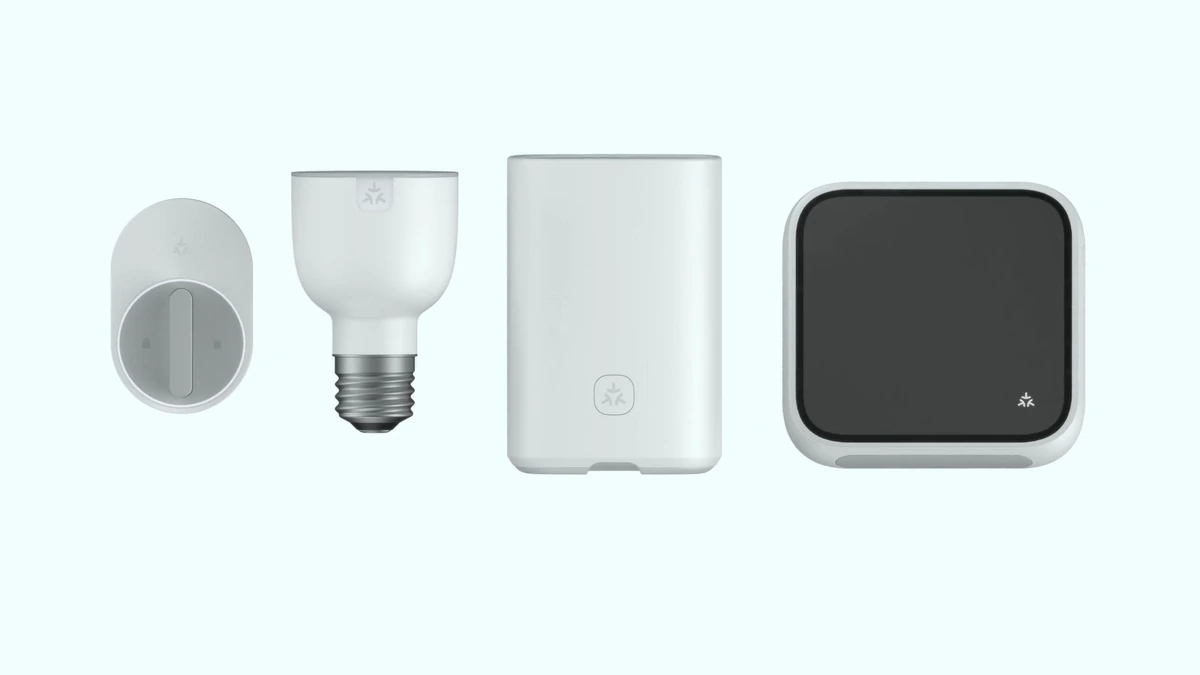
Matter 1.6, the latest revision of the smart home industry's shared connectivity standard, tackles a problem anyone with more than one ecosystem in the house already knows: a device paired to Alexa cannot also answer to Google Home without a second, separate pairing, and getting a new gadget onto the network in the first place still means unlocking a phone, opening an app, and scanning a QR code. The Connectivity Standards Alliance released the update on Wednesday with fixes aimed at both.
The headline feature is Joint Fabric, which lets multiple user-authorized controllers, an Alexa app and a Google Home app, for instance, co-administer the same Matter network at once through a shared central datastore. Administrators can be added or removed independently, so a device does not have to be re-onboarded from scratch every time a household changes which assistant it prefers. Matter 1.6 also adds NFC-based commissioning, letting the entire pairing exchange happen over a phone tap instead of scanning a code, and allows devices to be provisioned before they are even powered on, useful for an installer setting up several sensors in a new build ahead of move-in.
A third piece, Thermostat Suggestions, is the standard's first real step into automated decision-making rather than pure device control. A thermostat can now receive a recommended setting tied to a preset, say, lowering the temperature because an energy utility flagged high demand, and weigh it against the homeowner's own preferences before acting, with a standardized explanation surfaced when it declines to follow the suggestion. The Connectivity Standards Alliance frames this as context-driven control rather than a blunt override, though the practical test is whether manufacturers implement the opt-out clearly enough that a suggestion never feels like a demand.
None of this reaches a house immediately. A specification update is a promise to device makers, not a firmware push to existing hardware, and the Alliance's own language is blunt about it: rollout "will vary by company and product type," with no fixed timeline attached. Multi-controller support in particular depends on Amazon, Google, Apple, and Samsung all shipping compatible app updates on their own schedules, so Joint Fabric's real test is not the specification but whether the four companies that actually gatekeep smart home software bother to build it.