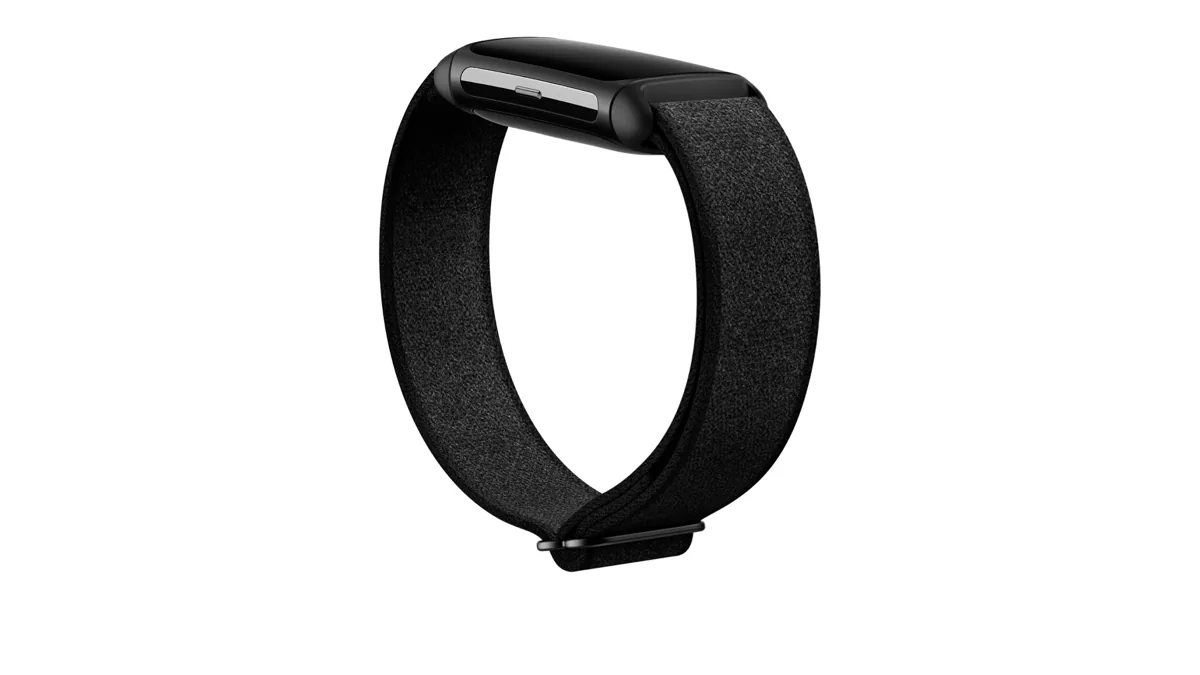
A long-lasting fitness tracker is a wearable device that prioritizes extended battery endurance to support uninterrupted daily health monitoring without frequent recharging. For most people wearing a fitness tracker daily, the sensor accuracy gap between competing devices is narrower than the gap in how often they need to pull the device off their wrist to charge it. A tracker left on the charger is not logging sleep stages, counting steps, or capturing heart rate variability (HRV) data. Battery endurance, more than display resolution or app ecosystem, determines whether a wearable tracker delivers on its promise of continuous health monitoring.
Why Battery Life Defines Daily-Wear Fitness Trackers
A long-lasting fitness tracker earns its value through consistent wear compliance, not peak-performance specs. Wearable battery life is the variable that governs whether a device completes seven consecutive nights of sleep tracking or interrupts the data stream because it died at 2 a.m. Each charge cycle imposes a behavioral cost: the device comes off the wrist, the user must remember to put it back on, and any monitoring during the charging window is lost. Research cited in Gartner's wearable device adoption analysis identifies charging friction as a primary driver of abandonment in fitness tracker cohorts, particularly when devices require charging more than twice per week. (Gartner wearable device forecast)
Three features account for most of the battery drain on a wrist-worn device used for activity tracking and sleep tracking: always-on display (AOD), continuous heart rate monitoring, and GPS. A fourth factor, notification polling, contributes meaningfully in high-notification environments. Understanding these drain sources before evaluating devices saves readers from purchasing a device rated at 21 days that delivers five in practice because AOD and continuous HR monitoring are both active.
For readers who want to understand how companion app platform choice affects tracker setup, the iOS vs Android: Platform Architecture, Privacy, and Enterprise Compared comparison covers how operating system selection affects Bluetooth pairing, notification delivery, and connected GPS behavior. For readers who want to compare sensor accuracy alongside battery figures, the Fitness Tracker Comparison: Fitbit vs Garmin vs Oura Ring covers photoplethysmography accuracy and sleep-stage detection in depth.
Four factors account for the majority of wearable battery drain in daily use:
- Always-on display (AOD): AMOLED and OLED panels draw continuous current in AOD mode to sustain low-brightness ambient output rather than powering on only with a wrist raise.
- Continuous heart rate monitoring: Optical heart rate sensors using photoplethysmography emit and detect light at regular intervals; continuous sampling draws significantly more current than periodic polling every 10 minutes.
- GPS tracking: Onboard GPS modules consume 50 to 150 mW depending on chipset and whether multi-band acquisition is active, reducing multi-day battery to hours in GPS-active mode.
- Notification polling: Each incoming alert activates the vibration motor and display backlight, accumulating measurable drain across a high-notification day.
How Feature Modes Drain the Battery
A fitness tracker's rated wearable battery life applies under specific test conditions that rarely match everyday use. Always-on display is typically the highest single-setting drain source for devices with AMOLED panels. IEEE research on wearable display power consumption confirms that AOD mode increases panel power draw by 20 to 40 percent on the same device compared to gesture-wake mode, because the panel sustains constant pixel output rather than activating from dark state. (IEEE Transactions on Consumer Electronics: Power Consumption Analysis of Wearable Health Monitoring Devices)
Continuous heart rate monitoring uses an optical heart rate sensor that emits green LED light and reads the photodetector return signal at intervals of one to five seconds in continuous mode. IEEE Sensors Journal research on energy-efficient photoplethysmography confirms that reducing sampling frequency from continuous to every 10 minutes can recover a substantial share of consumed current without losing resting HR trend data for non-athlete users. (IEEE Sensors Journal: Energy-Efficient Photoplethysmography Sensing for Long-Term Wearable Monitoring) HRV sampling set to nightly-only rather than continuous further reduces optical sensor duty cycles.
Long-lasting fitness trackers differ sharply in how they manage the tradeoff between sensor richness and multi-day battery. The ranked list below uses manufacturer-stated standard-mode battery figures: AOD off, continuous HR on, GPS off. Real-world results with sleep tracking active, frequent notifications, and sporadic GPS use will reduce these figures. All battery life claims are manufacturer-rated estimates under controlled test conditions; verify current figures against the respective specification page before purchasing, as figures may change when models are updated.
For sensor accuracy and sleep-stage comparison across Fitbit, Garmin, and Oura Ring, see Fitness Tracker Comparison: Fitbit vs Garmin vs Oura Ring, which covers photoplethysmography hardware and HRV measurement in the depth this battery-focused ranking does not.
- Samsung Galaxy Fit3 (up to 21 days, per Samsung specification page). Standard mode with AOD off and periodic HR polling. The highest endurance wristband in this comparison. Tradeoff: the health analytics ecosystem is shallower than Garmin Connect or the Fitbit app, with fewer third-party integrations and no native HRV readiness scoring.
- Amazfit Band 7 (up to 18 days typical use, per Amazfit specification page). Competitive endurance at a budget price point, with activity tracking and basic sleep tracking included. Tradeoff: the Zepp app ecosystem has limited platform integrations, and health analytics depth is significantly below Garmin Connect for multi-sport or HRV-focused users.
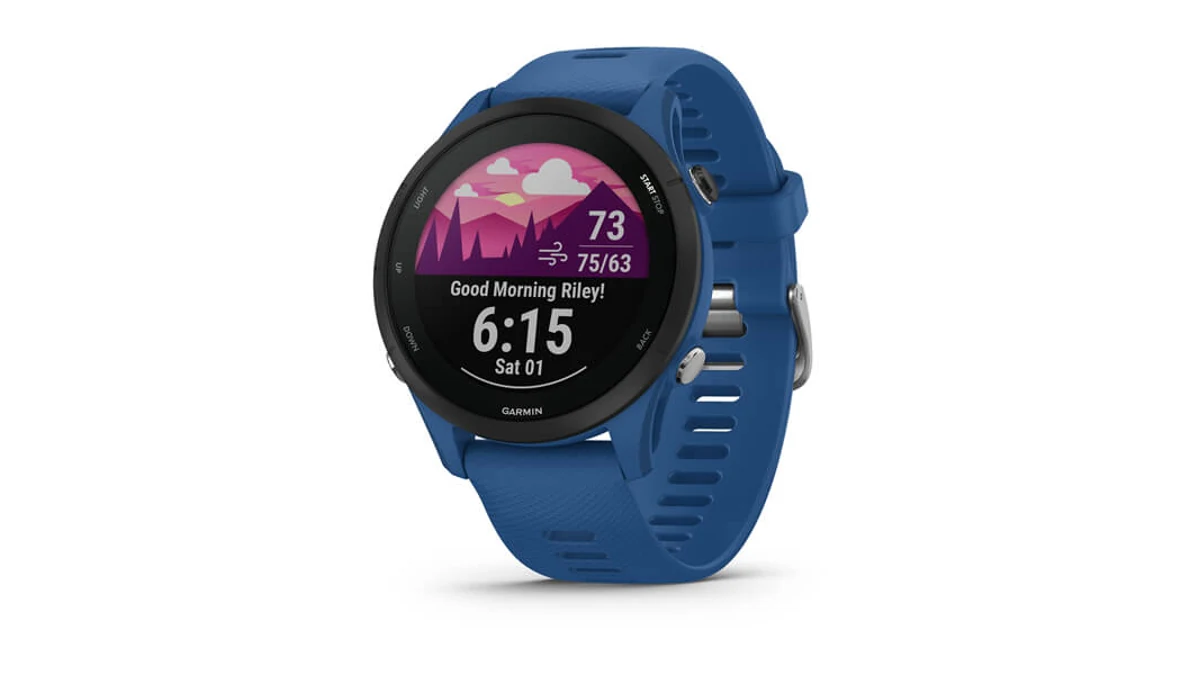
- Garmin Forerunner 265 (up to 13 days smartwatch mode, per Garmin specification page). The strongest multi-day battery figure among GPS-capable devices in this list. Tradeoff: onboard GPS battery drain is severe; GPS-active mode drops endurance to approximately 20 hours, so GPS-intensive users should configure connected GPS for daily wear.
- Fitbit Charge 6 (up to 7 days, per Fitbit specification page). Reliable 7-day endurance with continuous heart rate monitoring and sleep tracking active. Tradeoff: Charge 6 uses connected GPS via Bluetooth to a paired smartphone rather than onboard GPS; outdoor activity tracking requires the phone to be within Bluetooth range.
- Garmin Vivosmart 5 (up to 7 days, per Garmin specification page). Slim band form factor with Garmin Connect ecosystem access and 7-day standard endurance. Tradeoff: no onboard GPS at all; step counting and HR are the core tracking axes, which suits passive daily wellness users but limits outdoor distance accuracy for runners.
GPS Mode and Battery Trade-Offs
GPS battery drain is the most consequential decision point for anyone buying a long-lasting fitness tracker. A wrist-worn device that claims 13 days of standard endurance can be reduced to a single day's use if GPS is active throughout an outdoor workout. The gap between standard-mode and GPS-active wearable battery life is not a minor footnote; on many dedicated fitness trackers it represents a tenfold or greater reduction. The Fitbit Charge 6 illustrates the contrast clearly: its standard-mode rating is up to 7 days, while GPS-active endurance drops to approximately 5 hours (per Fitbit specification page). The Garmin Forerunner 265 shows the same pattern at a higher tier: 13-day standard mode versus approximately 20 hours GPS-on (per Garmin specification page).
Fitness trackers handle GPS in three distinct ways, each with a different impact on the charge cycle:
- No onboard GPS (step counting and HR only)
- Battery impact: minimal. Activity tracking relies on accelerometer and optical heart rate sensor only. Best for passive daily wellness users who do not track outdoor routes. Typical endurance: 7 to 21 days. Example devices: Garmin Vivosmart 5, Samsung Galaxy Fit3, Amazfit Band 7.
- Connected GPS (borrows location from paired smartphone via Bluetooth)
- Battery impact on the tracker: negligible. The smartphone handles GPS acquisition; the tracker receives coordinates over Bluetooth. Outdoor route accuracy is comparable to onboard GPS. Constraint: the smartphone must be within Bluetooth range during the activity, which limits use during solo runs where carrying a phone is inconvenient. Example: Fitbit Charge 6.
- Onboard GPS
- Battery impact: severe. Onboard GPS modules draw 50 to 150 mW continuously, compressing multi-day battery into hours. Accuracy is highest, and the smartphone is not required during the activity. Best for runners and cyclists who want GPS distance data without carrying a phone. Example: Garmin Forerunner 265 (approximately 20 hours GPS-on per Garmin specification page). Users who want multi-day battery between GPS sessions should configure the device to use connected GPS for daily wear and activate onboard GPS only during tracked workouts.
Configuring Your Fitness Tracker for Maximum Battery Life
Most fitness tracker owners can extend wearable battery life by two to four days through configuration changes alone, without switching devices. The five adjustments below are sorted by estimated battery impact from highest to lowest. Smartwatch users face tighter constraints by design; for a comparison of how dedicated tracker longevity compares to smartwatch battery in the same price range, see the Apple Watch vs Samsung Galaxy Watch Comparison.
- Disable always-on display, enable gesture-wake. AOD is the highest single-setting drain on AMOLED devices. In Garmin Connect, navigate to the watch's display settings and set the display timeout and gesture-wake options; AOD is a toggle within display preferences. In the Fitbit app, screen settings control wake behavior. Disabling AOD alone can recover 20 to 40 percent of daily battery draw.
- Reduce heart rate sampling frequency from continuous to interval-based (every 10 minutes). Continuous heart rate monitoring drains the optical heart rate sensor more than any other sampling mode. For users who are not tracking exercise sessions, resting HR trend data captured at 10-minute intervals is sufficient for sleep-quality analysis and daily calorie estimation. In Garmin Connect, heart rate settings allow selection of the sampling interval. The Fitbit app does not expose a granular interval control; Charge 6 defaults to continuous sampling in standard wear mode.
- Switch from onboard GPS to connected GPS for daily walks. For casual outdoor walks, connected GPS via Bluetooth to a paired smartphone eliminates the GPS battery drain penalty on the tracker while preserving route and distance data. Reserve onboard GPS for recorded workouts where accuracy matters and the phone is not carried. GPS power draw in onboard mode runs the tracker's battery down in hours, not days.
- Use dedicated sleep tracking mode rather than always-on HR overnight. Several Garmin and Fitbit devices offer a sleep mode that reduces HR sampling frequency during sleep hours while still detecting sleep stages. Daily step tracking resumes when the device detects waking motion. Configuring sleep mode rather than relying on continuous HR monitoring overnight preserves battery for the next day's activity tracking without losing sleep data.
- Reduce notification forwarding to essential apps only. Each vibration alert activates the haptic motor and the display backlight, drawing a burst of current per notification. On devices with heavy notification volumes, reducing notification sources in the companion app (Garmin Connect or Fitbit app notification settings) limits these micro-drain events and extends each charge cycle by a measurable margin in high-notification-volume households.
Which Long-Lasting Fitness Tracker Is Right for Your Use Case
Extended-battery trackers suit different users depending on how they use the device. The three profiles below map use cases to device recommendations, each with one stated tradeoff. For sensor accuracy and sleep-science depth, the Fitness Tracker Comparison: Fitbit vs Garmin vs Oura Ring covers the hardware underlying those figures. For readers choosing between tracker and smartwatch form factors, the Best Wearables Compared: Smartwatches, Rings, and Trackers covers category breadth this battery-focused guide does not.
- Passive daily wellness user (10-plus day multi-day endurance priority, no GPS runs). Best fit: Amazfit Band 7 (up to 18 days, per Amazfit specification page) or Samsung Galaxy Fit3 (up to 21 days, per Samsung specification page). Both deliver sleep monitoring and daily step tracking with activity tracking across common modes. Tradeoff: the health analytics ecosystem on both devices is substantially shallower than Garmin Connect or the Fitbit app; HRV readiness scoring, menstrual health tracking, and third-party integration depth are limited on Amazfit and Samsung Fit platforms.
- Mixed-use runner tracking two to three outdoor sessions per week with multi-day runtime between runs. Best fit: Garmin Forerunner 265 in connected GPS mode for daily wear (13-day standard battery per Garmin specification page), with onboard GPS active only during recorded workouts. Tradeoff: GPS-active battery endurance drops to approximately 20 hours, so a runner logging daily GPS sessions will need to charge mid-week despite the 13-day standard-mode rating.
- Sleep and recovery focused user who wants to charge no more than once per week. Best fit: Fitbit Charge 6 (up to 7 days standard mode, per Fitbit specification page), which supports continuous HR monitoring, overnight tracking, and HRV nightly measurement in a slim wrist-worn device form factor. Tradeoff: connected GPS requires a paired smartphone during outdoor activities; users who run without a phone cannot use GPS tracking on the Charge 6. The Oura Ring 4 offers 7 to 8 days of wearable battery life with strong sleep-stage and readiness scoring in a ring form factor, though it lacks a display and has a separate charging connector.
Further reading
Frequently Asked Questions
How long should a fitness tracker battery last on a single charge?
A fitness tracker providing meaningful daily wellness monitoring should last at least five days on a single charge cycle with continuous HR tracking and sleep analysis active. Devices rated under five days in standard mode require mid-week charging, which interrupts sleep stage tracking compliance for users who forget to recharge before bed. Trackers in the 7 to 21-day range (Fitbit Charge 6 at 7 days, Amazfit Band 7 at 18 days, Samsung Galaxy Fit3 at 21 days, per respective manufacturer specification pages) support genuine daily wear without behavioral disruption. GPS-equipped sport watches in this category typically drop below 20 hours in GPS-active mode regardless of their standard-mode rating.
Does GPS use on a fitness tracker significantly reduce battery life?
Yes: onboard GPS is the single largest battery drain on a wearable fitness tracker. A device rated at 7 days in standard mode may deliver fewer than 10 hours with GPS continuously active. Most budget and mid-range fitness trackers address GPS battery cost by using connected GPS (borrowing location data from a paired smartphone via Bluetooth) rather than onboard GPS, which preserves multi-day operation at the cost of requiring the phone to be within Bluetooth range during outdoor activities. The Fitbit Charge 6 uses connected GPS by default with approximately 5 hours of GPS-active endurance (per Fitbit specification page); the Garmin Forerunner 265 offers onboard GPS with approximately 20 hours GPS-active versus its 13-day standard-mode rating (per Garmin specification page).
Does enabling always-on display drain a fitness tracker battery faster?
AOD measurably reduces battery life on fitness trackers with AMOLED panels: the screen draws continuous current to sustain the low-brightness ambient display rather than powering on only with a wrist raise. IEEE research confirms that AOD mode increases panel power consumption by 20 to 40 percent compared to gesture-wake mode on the same device. Disabling AOD and switching to gesture-wake is typically the highest single-setting battery saving available in a tracker's configuration menu. Users who prioritize multi-day uptime life should leave AOD disabled during everyday wear.
Further reading: Fitness Tracker Comparison: Fitbit vs Garmin vs Oura Ring | Best Wearables Compared: Smartwatches, Rings, and Trackers | iOS vs Android: Platform Architecture, Privacy, and Enterprise Compared