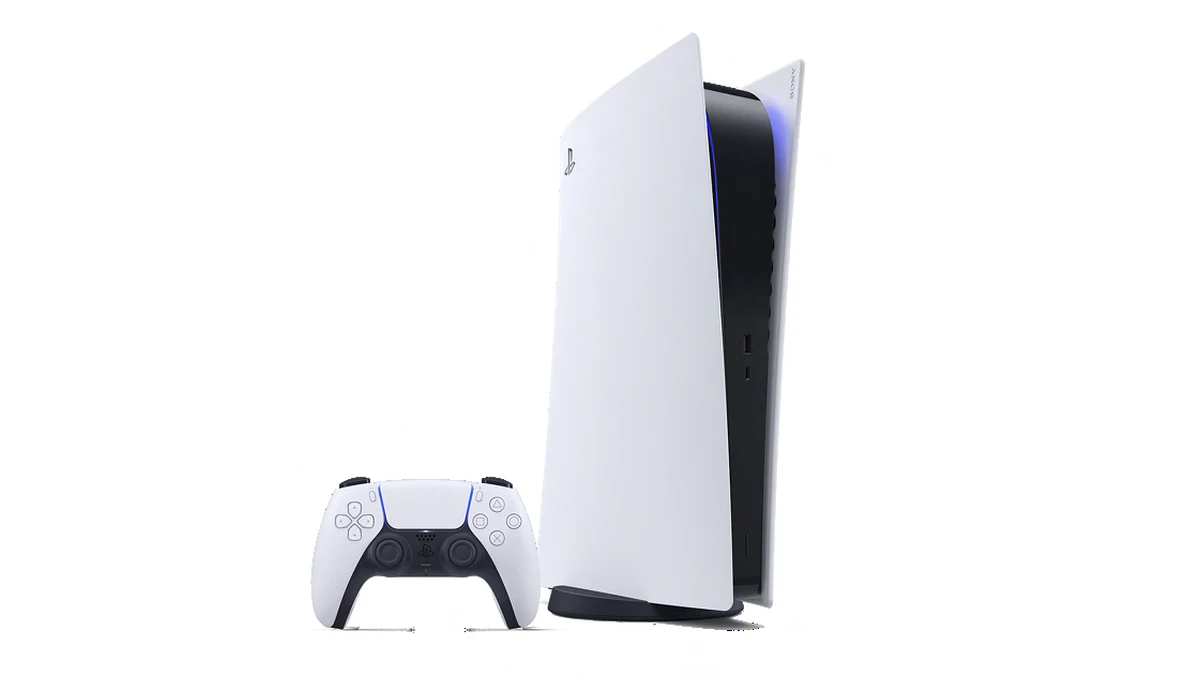
The PlayStation 5 is a home gaming console that delivers 4K gaming at up to 120fps through a custom AMD RDNA 2 GPU, a proprietary ultra-high-speed SSD, and Sony's DualSense controller with haptic feedback and adaptive triggers.
Xbox Series X sits at the same performance tier with a 12-teraflop GPU and backward compatibility with nearly all Xbox One-compatible games and accessories, including Xbox 360 and original Xbox games that were made backward-compatible with Xbox One. Nintendo Switch trades raw GPU throughput for portability, running on an NVIDIA Tegra X1 chip that targets 1080p docked and 720p in handheld mode. Each console targets a distinct player, and the right choice depends on which trade-off matters most: exclusive software depth, subscription value, or the freedom to play anywhere.
PlayStation 5: Hardware Specifications and Ecosystem
The PlayStation 5 pairs a 10.28-teraflop AMD RDNA 2 GPU with a custom SSD storage subsystem that delivers 5.5 GB/s of raw read speed, roughly twice the bandwidth of Xbox Series X's storage channel on a per-GB basis (Sony Interactive Entertainment). That storage speed reduces level-load times from seconds to fractions of a second on optimized titles. DualSense haptic feedback and adaptive triggers add physical resistance and vibration cues that vary per in-game surface, a hardware differentiator no competing controller matches.
PS5 Core Specifications
PlayStation Network (PSN) underpins all online multiplayer and digital purchases on the PS5. Sony offers three PS Plus membership tiers: Essential, Extra, and Premium, with monthly pricing ranging from roughly $9.99 to $17.99 per month (verify current rates at playstation.com, as prices are subject to change). PSN's cross-game voice chat and Share Play features are built into the system software. DualSense haptic feedback functions over USB on PC but fully activates only within the PS5's native software stack.
Xbox Series X: Hardware Specifications and Ecosystem
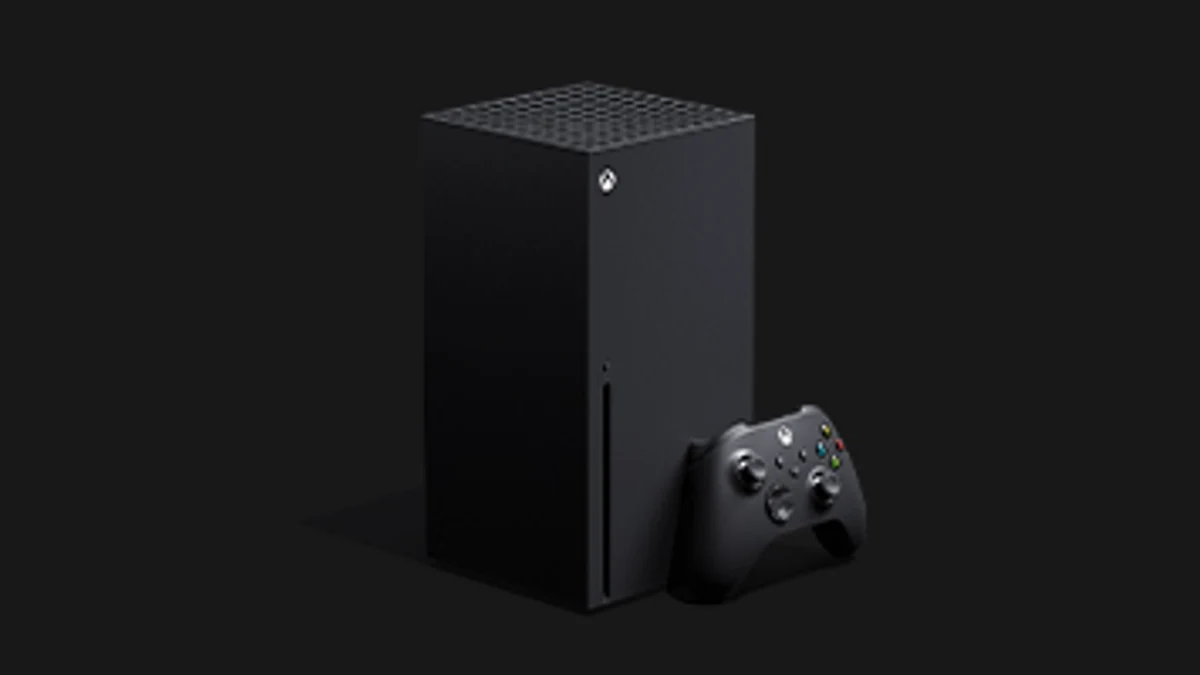
Where PlayStation 5 leads on custom SSD storage throughput, Xbox Series X answers with the highest teraflop performance in this comparison: a 12-teraflop AMD RDNA 2 GPU against PS5's 10.28 teraflops (Microsoft Xbox). In cross-platform titles, developers typically match output across both platforms, so the raw GPU gap rarely translates to a visible image quality difference for players.
Xbox Series X Core Specifications
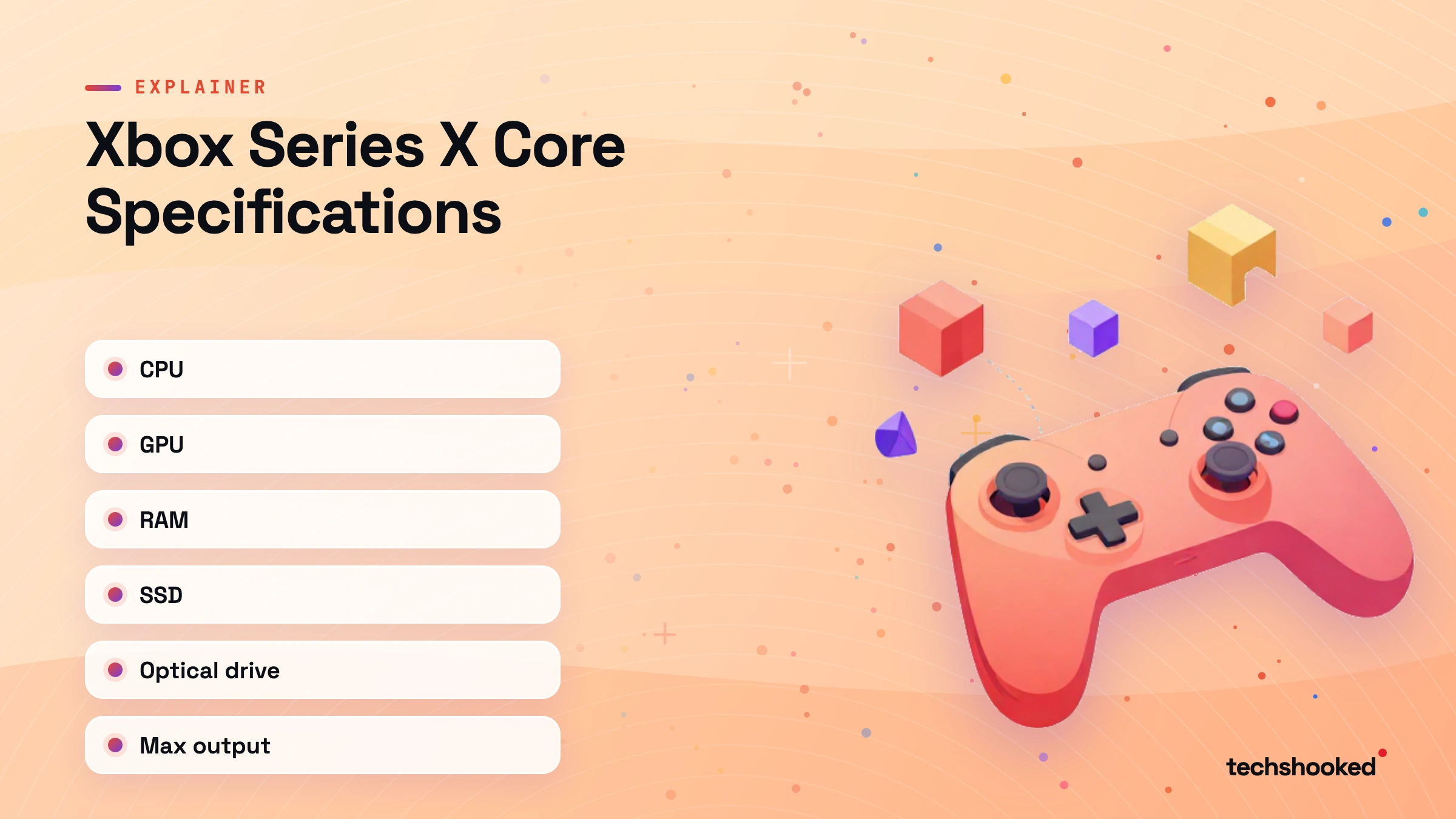
Xbox Velocity Architecture pairs the custom SSD storage with dedicated hardware decompression to feed the GPU without CPU stall, enabling faster asset streaming than a conventional NVMe configuration. Backward compatibility on Xbox Series X covers titles from Xbox One, Xbox 360, and original Xbox generations, the deepest backward catalog among these three platforms. The Xbox Game Pass Ultimate subscription (referred to as Game Pass throughout) bundles online multiplayer, a rotating game catalog, and xCloud cloud gaming in a single monthly plan; for 120Hz gaming, the console also requires an HDMI 2.1 display and a title-level performance mode patch. Verify current Game Pass pricing at xbox.com.
Nintendo Switch: Hardware Specifications and Portability
Nintendo Switch competes with PlayStation 5 and Xbox Series X on portability rather than raw teraflop performance, running an NVIDIA Tegra X1 system-on-chip that delivers roughly 1 teraflop of GPU output and targets 1080p docked with handheld gaming mode as the defining use case (Nintendo). The Nintendo Switch OLED model upgrades the handheld panel to a 7-inch OLED display with battery life rated at 4.5 to 9 hours depending on title intensity.
Nintendo Switch Variant Specifications
- Switch OLED display
- 7-inch OLED, 720p handheld; 1080p docked (Nintendo)
- Switch OLED battery
- 4.5 to 9 hours estimated (Nintendo)
- Switch Lite
- Handheld only; 5.5-inch LCD, 720p; no TV output (Nintendo)
- Storage
- 64 GB internal (OLED); expandable via microSD (Nintendo)
- GPU
- NVIDIA Tegra X1, approximately 1 teraflop (Nintendo)
The Nintendo Switch OLED's Joy-Con controllers detach for multiplayer use or attach to the console body in handheld gaming mode. Game purchases live in the Nintendo eShop and do not transfer across accounts. Switch carries no backward compatibility with Wii U or 3DS physical software.
Performance and Graphics Comparison
PlayStation 5 and Xbox Series X deliver comparable 4K resolution gaming output in cross-platform titles despite the teraflop performance gap between their AMD RDNA 2 implementations. IEEE Spectrum's analysis of RDNA 2 in console hardware found that software optimization and driver maturity affect practical throughput more than raw teraflop figures alone (IEEE Spectrum). Both consoles provide ray tracing support for reflections, shadows, and ambient occlusion in compatible games. Nintendo Switch OLED supports neither native 4K resolution gaming nor ray tracing support in any configuration.
| Console | Native 4K | Max Frame Rate | Ray Tracing Support | GPU Teraflops | SSD Read Speed |
|---|---|---|---|---|---|
| PlayStation 5 | Yes | 120fps | Yes | 10.28 TF | 5.5 GB/s |
| Xbox Series X | Yes | 120fps | Yes | 12 TF | 2.4 GB/s |
| Nintendo Switch OLED | No (1080p docked) | 60fps | No | ~1 TF | N/A (microSD) |
120Hz gaming on PS5 and Xbox Series X requires an HDMI 2.1 display and a per-title performance mode patch; not all games in either exclusive game library expose that frame rate ceiling. For readers pairing a console with VR hardware, the VR gaming setup comparison covers how PlayStation VR2 integrates with the PS5 software stack specifically.
Exclusive Game Libraries
PlayStation 5's exclusive game library drives a measurable share of its hardware attach rate. Console exclusive titles available only on PS5 include Spider-Man 2, God of War Ragnarok, and Demon's Souls. Xbox Series X console exclusive titles run across Xbox and PC simultaneously under the Play Anywhere policy, with Halo Infinite, Forza Motorsport, and Starfield available through Game Pass subscription on day one. Nintendo Switch's exclusive game library spans The Legend of Zelda: Tears of the Kingdom, Mario Kart 8 Deluxe, and Metroid Dread, none of which appear on competing platforms.
Gartner's gaming consumer research found that platform-exclusive software is a primary hardware switching trigger, particularly in the 18-34 demographic (Gartner). PS5 buyers frequently cite console exclusive titles as their deciding factor, while Switch buyers more often cite handheld gaming mode flexibility.
Notable Console Exclusives by Platform
PlayStation 5
- Spider-Man 2
- God of War Ragnarok
- Demon's Souls
- Returnal
- Ratchet & Clank: Rift Apart
Xbox Series X
- Halo Infinite
- Forza Motorsport
- Starfield
- Pentiment
- Hi-Fi Rush
Nintendo Switch
- Zelda: Tears of the Kingdom
- Mario Kart 8 Deluxe
- Metroid Dread
- Pikmin 4
- Kirby and the Forgotten Land
Subscription Services and Online Ecosystems
PS5 online services operate through PlayStation Network, which connects players to multiplayer sessions, digital purchases, and the rotating PS Plus game catalog. Game Pass subscription gives Xbox Series X players access to a catalog of several hundred titles, xCloud cloud gaming, and online multiplayer through one plan. Nintendo Switch Online runs a leaner service focused on classic NES and SNES titles and online play, with limited cross-platform multiplayer reach compared to PSN or Game Pass.
| Service | Monthly Cost (approx.) | Cloud Gaming | Cross-Platform Multiplayer |
|---|---|---|---|
| PS Plus Essential (PSN) | ~$9.99/mo (as of publication) | No | PSN only |
| PS Plus Extra (PSN) | ~$14.99/mo (as of publication) | No | PSN only |
| Game Pass Ultimate | Verify at xbox.com | Yes (xCloud) | Xbox + PC |
| Nintendo Switch Online | ~$3.99/mo (as of publication) | No | Nintendo network only |
Cross-platform multiplayer between PS5 and Xbox Series X titles exists on a per-game basis only; network-level cross-play between PSN and Xbox Live requires publisher opt-in for each title. xCloud cloud gaming streams Xbox content to mobile and browser without dedicated console hardware. Reuters has reported on the subscriber competition between Sony and Microsoft platforms as a central revenue driver for both companies (Reuters). For portable-ecosystem context, the Steam Deck vs Nintendo Switch performance comparison covers how Switch Online functions in portable-only play patterns.
Price, Storage, and Backward Compatibility
PlayStation 5 backward compatibility covers PS4 titles, with a subset receiving enhanced frame rates and resolution; PS3, PS2, and PS1 titles require PS Plus Premium streaming rather than native hardware execution. Xbox Series X backward compatibility reaches four generations: Xbox One, Xbox 360, and original Xbox titles run natively, many at higher performance than on original hardware. Nintendo Switch offers no back-compat support with Wii U or 3DS physical cartridges. Readers comparing storage upgrade paths should review the SSD vs HDD for gaming libraries guide for per-platform expansion benchmarks.
- Upfront console cost: Switch OLED carries a lower list price than PS5 or Xbox Series X; verify current pricing at playstation.com and xbox.com, as prices are subject to change.
- Proprietary storage expansion: PS5 accepts standard NVMe M.2 SSDs within Sony's tested speed range. Xbox Series X requires a proprietary Seagate Storage Expansion Card. Switch storage expands via microSD, the most affordable option of the three.
- Legacy game support depth: Xbox Series X leads with four-generation coverage. PS5 covers PS4 natively. Nintendo Switch covers no prior hardware generation.
- Subscription ROI over three years: Game Pass subscription at full Ultimate pricing delivers a larger rolling catalog per dollar for players averaging more than two new titles per month. PS Plus Extra provides comparable value within the PlayStation exclusive game library ecosystem. Nintendo Switch Online's lower price reflects a narrower catalog range.
For players evaluating how digital ownership models may shift platform lock-in, the blockchain gaming vs traditional gaming overview examines emerging alternatives to closed console ecosystems.
Further reading: Steam Deck vs Nintendo Switch: Performance Compared | SSD vs HDD for Gaming Libraries | VR Gaming Setups: PlayStation VR2, Quest, and Vive Compared
Further reading
Frequently Asked Questions
What are the main hardware differences between PS5, Xbox Series X, and Nintendo Switch?
PS5 and Xbox Series X are home consoles built on AMD RDNA 2 GPUs targeting 4K resolution gaming at 120fps; Nintendo Switch uses an NVIDIA Tegra X1 chip and targets 1080p docked at 60fps, with handheld gaming mode as its defining hardware constraint. The teraflop performance gap between Switch and the two home consoles exceeds 9 teraflops, a deliberate design decision that prioritizes battery life and portability over GPU throughput.
Is the Nintendo Switch as powerful as the PS5 or Xbox Series X?
No. The Switch OLED model runs an NVIDIA Tegra X1 delivering roughly 1 teraflop of GPU performance, compared to 10.28 teraflops for PS5 and 12 teraflops for Xbox Series X (Sony, Microsoft, Nintendo). Switch trades that raw teraflop performance for portability and a distinct exclusive game library that has driven over 140 million units in cumulative hardware sales.
Which console is more affordable overall, including subscription costs?
Nintendo Switch has the lowest upfront hardware price of the three. When subscription costs are included over three years, Xbox Series X with Game Pass subscription can deliver more total game volume per dollar than PS Plus Essential at comparable catalog depth, though the calculation shifts based on play frequency and whether preferred console exclusive titles are available through subscription or require separate purchase.
Can PS5 games be played on Xbox Series X or Nintendo Switch?
No. PlayStation exclusive titles are platform-locked and cannot run on Xbox Series X or Nintendo Switch. A subset of PS5 titles have PC versions distributed through Steam, but no direct cross-console compatibility exists for first-party PlayStation exclusive titles. The PSN account system does not carry game licenses across platform boundaries.